

Zaporizhzhia bombing kills 20 civilians as aid response
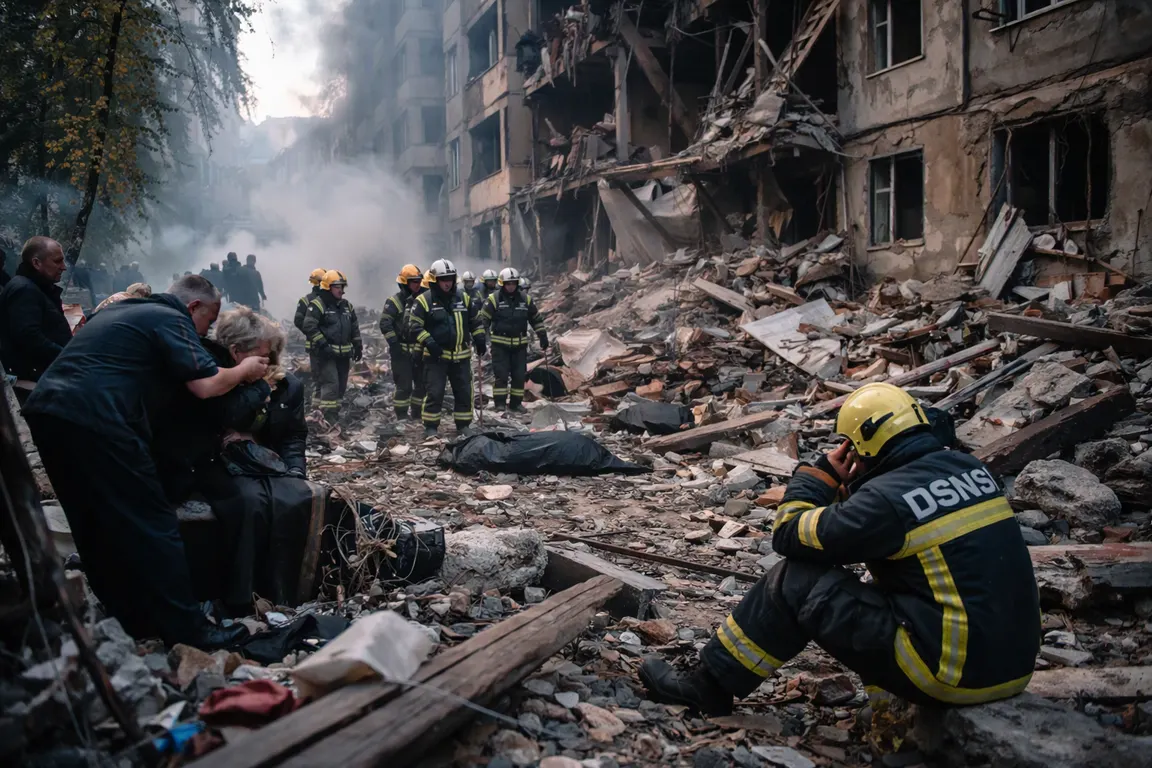
A Russian airstrike that dropped five guided bombs on a residential block in Zaporizhzhia early Saturday resulted in Zaporizhzhia bombing civilian casualties: 20 civilians were killed and 18 wounded, Ukrainian officials said. The attack hit a densely populated neighbourhood, flattening apartments and igniting fires that emergency crews struggled to contain.
Local authorities opened a crisis centre and humanitarian groups began mobilising medical supplies and temporary shelter for the injured. The strike is part of a broader Russian campaign of intensified attacks on Ukrainian cities, a pattern documented by multiple outlets in recent weeks.
Minutes after the bombing, former President Donald Trump told reporters outside the White House that it was "time for Ukraine to get a new president." In interviews cited by the New York Post and the BBC, Trump repeated his demand that Kyiv replace President Volodymyr Zelensky, linking his criticism to a disputed diesel‑fuel agreement between Kyiv and Moscow. He claimed the deal could fund Russia’s war effort, a charge Zelensky publicly rejected, saying the arrangement was intended to secure energy for civilians in occupied territories.
No U.S. policy change or legislative action to replace Zelensky has been announced. Trump’s remarks remain personal commentary, and the White House has not signalled any shift in military aid or diplomatic recognition. Nevertheless, the comments have drawn attention from donors and allies who monitor U.S. political signals when allocating assistance. Analysts note that persistent rhetoric questioning Kyiv’s leadership could erode confidence among some European and American partners, potentially complicating future aid packages.
The diesel‑fuel deal itself remains opaque. Ukrainian officials acknowledge negotiations with Russia over fuel supplies but contend the agreement is meant to provide energy for civilians, not to bankroll the Russian war machine. Independent observers have not verified the financial flows alleged by Trump and his supporters, and the lack of concrete evidence leaves the claim contested.
For the residents of Zaporizhzhia, the immediate concern is rebuilding homes, restoring utilities, and ensuring medical care for the injured. International aid agencies have pledged additional resources, but reconstruction will require sustained funding and security guarantees that the city will not face further bombardment.
U.S. policymakers face a delicate balance. While Trump’s statements generate headlines, the current administration continues to provide billions of dollars in military and humanitarian aid to Ukraine. Any formal shift in policy would likely require congressional action, which has not materialised.
The episode underscores the widening gap between on‑the‑ground humanitarian crises and external political pressure. As Russian forces continue to target civilian infrastructure, the extent to which foreign rhetoric translates into concrete policy will determine whether Ukraine can maintain the support needed to protect its population.
Kyiv’s next steps include documenting the damage in Zaporizhzhia, requesting additional reconstruction assistance, and monitoring official U.S. statements for any signals of a change in aid levels. Observers will watch whether Trump’s calls evolve beyond personal commentary into actionable policy proposals, a development that could reshape the diplomatic landscape for Ukraine’s war effort.