

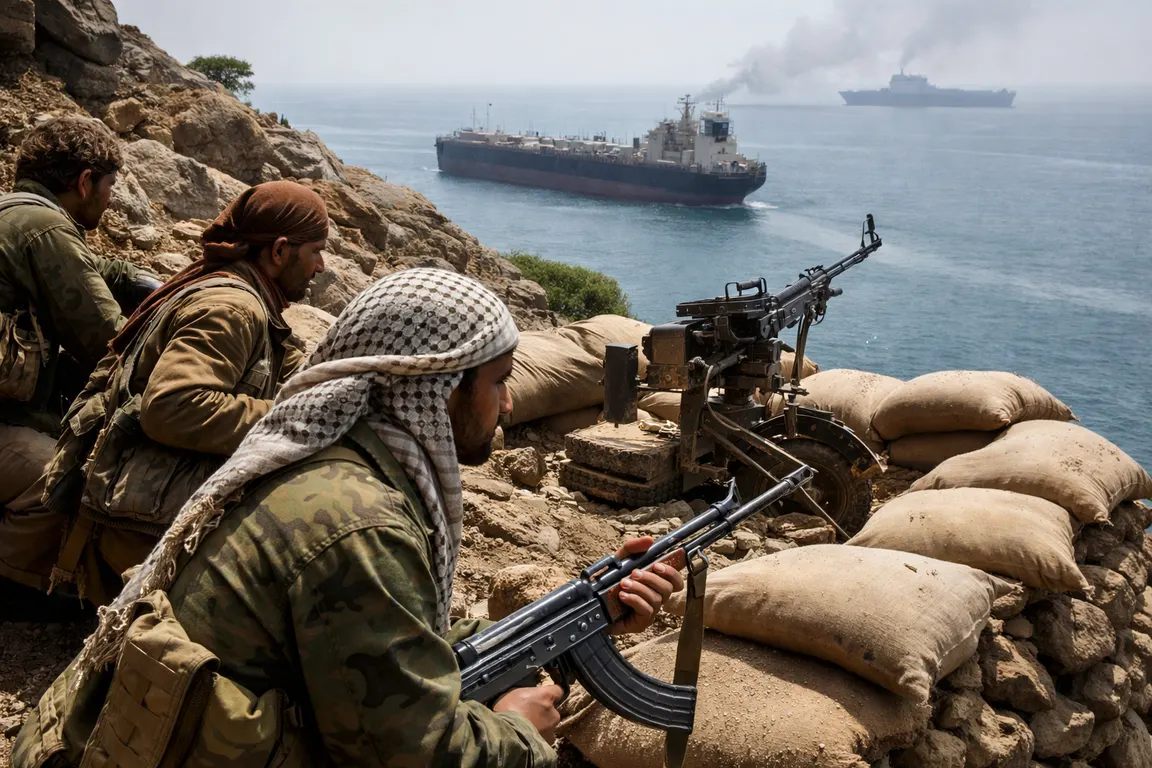
Yemen's Houthi rebels have declared a Yemen Houthi blockade against Saudi Arabia, citing retaliation for the Saudi-led coalition's attack on Sanaa International Airport and the ongoing blockade of Yemeni ports. This escalation poses a significant threat to Saudi Arabia's shipping and energy facilities, potentially disrupting global oil supplies.
The blockade declaration, made by Houthi spokesman Yahya Saree, marks a substantial increase in tensions between the Houthis and the Saudi-led coalition, which has been supporting the internationally recognized Yemeni government since 2015. The conflict has resulted in a severe blockade of Yemen's land, sea, and air ports, severely restricting vital commercial and humanitarian imports, including fuel and food.
On July 13, 2026, the Saudi-led coalition attacked Sanaa International Airport to prevent an Iranian aircraft from landing, prompting the Houthi rebels to declare the naval blockade on July 20, 2026. The implications of the blockade are far-reaching, with potential disruptions to global oil supplies and increased prices. As the situation unfolds, concerns about regional security and humanitarian aid deliveries are growing.
The international community is watching closely, with the potential for a full-scale war hanging in the balance. The Houthis have warned of a full-scale war if the Saudi siege on Yemen is not lifted. The next step will be to see how Saudi Arabia responds to the blockade and whether the international community can broker a peaceful resolution to the conflict.
The blockade has significant implications for global oil supplies, as Saudi Arabia is one of the world's largest oil exporters. Any disruption to its shipping and energy facilities could have far-reaching consequences for the global economy. The international community is urging calm and calling for a peaceful resolution to the conflict, but the situation remains volatile.