

West Bank olive harvest attack injures Palestinians
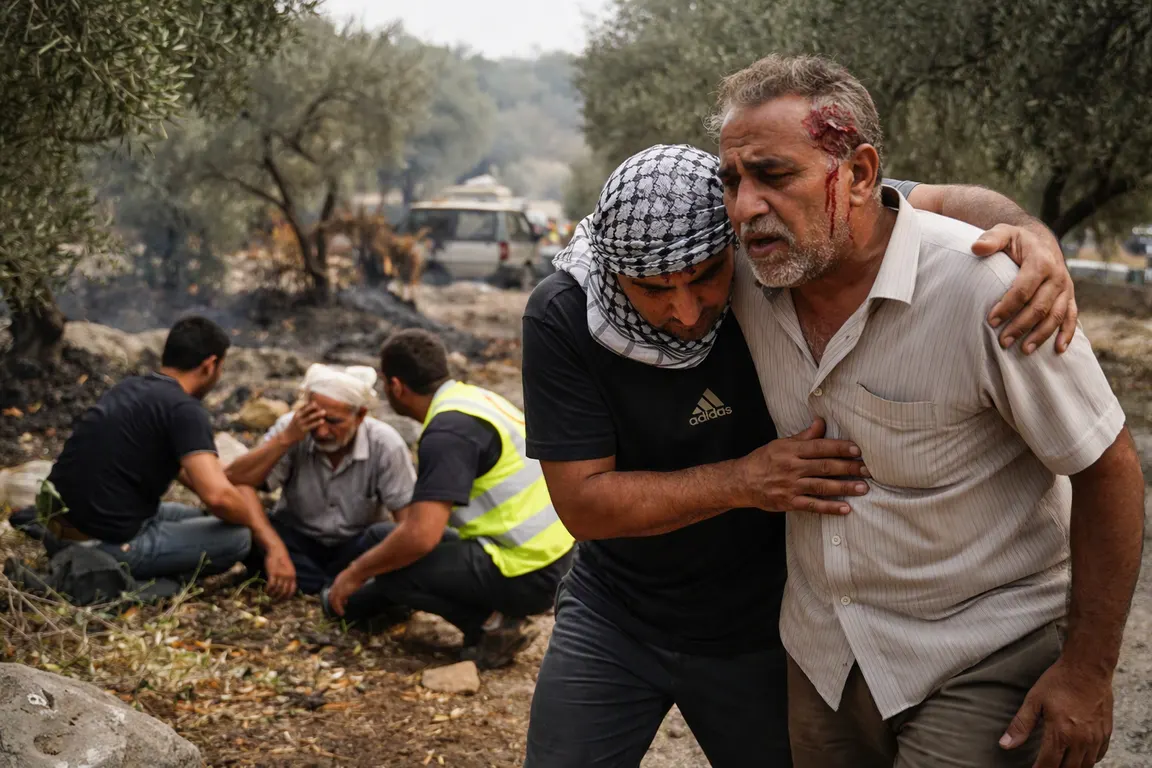
Masked settlers entered the West Bank villages of Abu Falah and Turmus Ayya on Friday, 12 October, wielding clubs, rocks and, according to some reports, firearms. The West Bank olive harvest attack set fire to olive trees and parked cars before beating a group of farmers gathering olives and assaulting Washington Post photographer Heidi Levine, who sustained serious injuries.
The attacks came at the height of the annual olive‑harvest season, a critical source of income for rural Palestinians and a cultural touchstone. Damage to trees and loss of fruit this year could cut earnings for families already under economic pressure, while the destruction of vehicles hampers transport of harvested olives to processing facilities.
According to the Palestinian Red Crescent Society, at least six Palestinians were injured in Abu Falah. The same organization confirmed no fatalities. Levine was struck with a club and required hospital care for her injuries.
The incident fits a pattern of settler‑led intimidation documented by multiple outlets. The Guardian described the assailants as “masked settlers” using clubs, rocks and guns; Al Jazeera quoted local activists calling the episode a “pogrom”; the BBC noted a “surge in similar incidents” across the occupied West Bank, though it did not mention firearms. All sources agree on the presence of masked settlers and the targeting of olive harvesters, while the exact number of injured and the role of guns remain disputed.
Press‑freedom groups have warned that attacks on journalists threaten independent reporting from the region. The assault on Levine, a U.S. citizen, adds an international dimension and could prompt diplomatic pressure on Israel to address settler violence.
At the time of writing, Israeli officials had not issued a statement or announced any policy response to the Friday attacks. The absence of an official reaction leaves questions about accountability and the mechanisms needed to deter future assaults. International bodies, including the United Nations and several European governments, have previously called for restraint and protection of civilians during the harvest, but concrete steps have yet to materialise.
The next day, news agencies in the United Kingdom, United States and the Arab world reported on the coordinated nature of the violence and its potential to inflame tensions ahead of the holiday season. As olive trees turn gold, the key issue remains whether heightened diplomatic scrutiny will translate into protective measures for farmers and journalists, or whether the pattern of settler‑led intimidation will continue unchecked.