

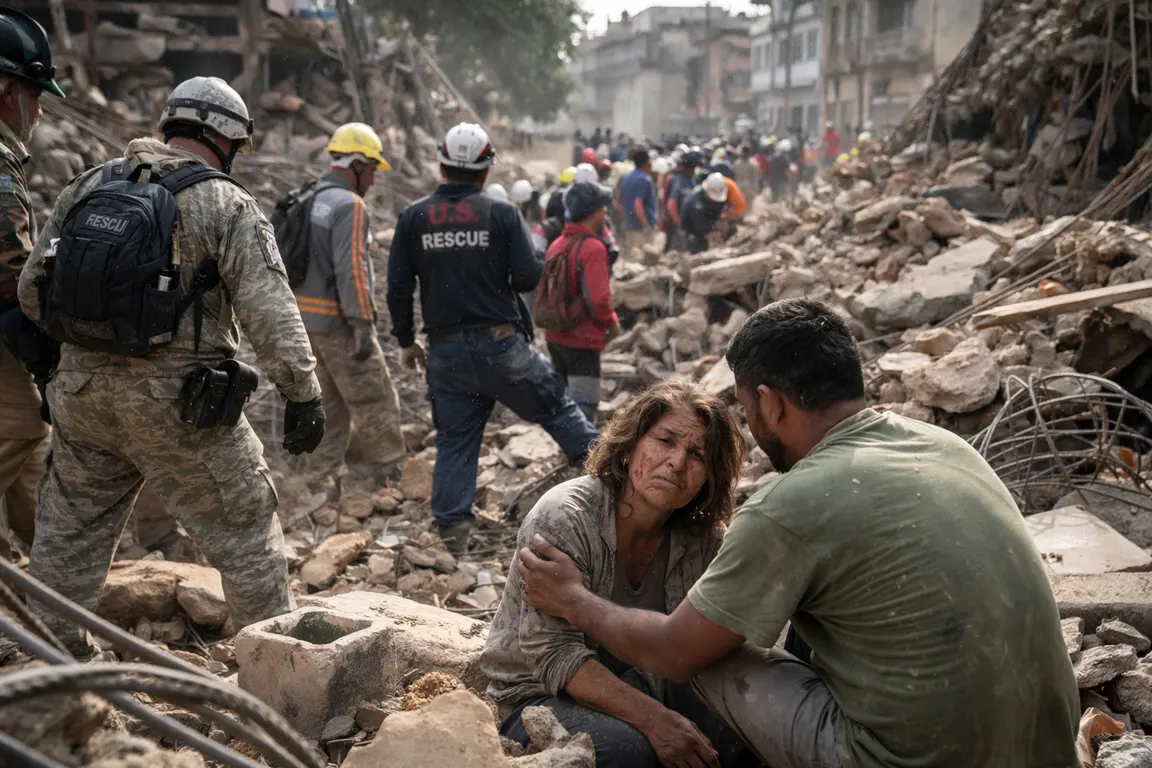
The devastating Venezuela Earthquakes have killed over 1,400 people, left thousands injured, and more than 50,000 missing, posing a significant challenge to the US disaster response efforts. This disaster has become a critical test of the Trump administration's new western hemisphere policy, which has faced scrutiny after the restructuring of USAID, a key agency in providing humanitarian aid.
The US has pledged a $150 million assistance fund and sent three specialized urban search and rescue teams to support the relief efforts. The affected areas, including La Guaira and Caracas, are still reeling from the impact of the earthquakes, with many lacking basic needs such as sanitation. The US-backed interim leader has spoken with US President Donald Trump and Secretary of State Mike Pompeo about the response efforts, highlighting the need for coordinated international support.
As the death toll rises and the search for survivors continues, the biggest challenges facing the rescue efforts include restricted access to affected areas, with volunteers required to obtain a safe-entry pass, which has led to frustration and delays. The earthquakes have affected millions of people, and the country's already fragile economy and healthcare system are under significant strain. The international community is watching to see how the Trump administration's new western hemisphere policy will play out in response to this disaster.
With the first 72 hours being critical for finding survivors, the next step will be to see how the rescue efforts unfold and whether the international community can provide sufficient support to help Venezuela recover from this devastating crisis. The US assistance fund and rescue teams are part of a broader international response, which includes aid from other countries and humanitarian organizations. As the situation unfolds, the focus will remain on providing aid to those affected and supporting the recovery efforts in Venezuela.