

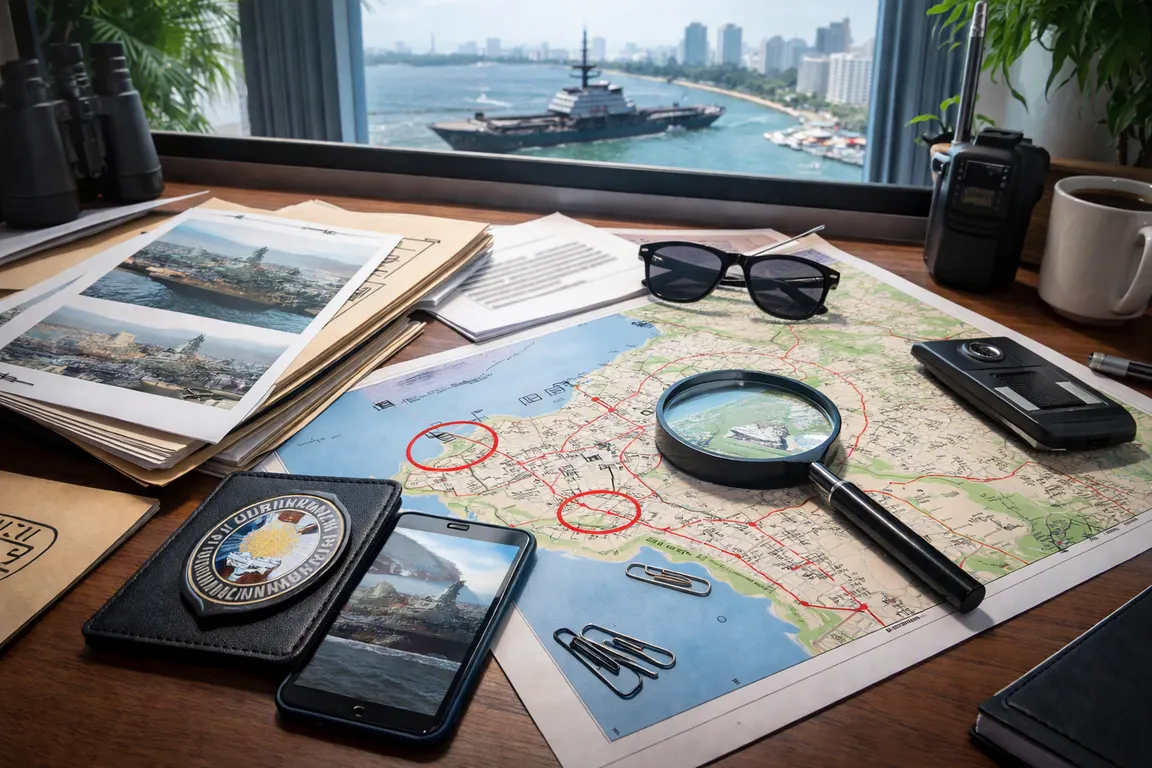
U.S. sailors from the aircraft carrier USS Abraham Lincoln began disembarking in Pattaya on Sept. 3, 2024, just as Thai police launched a large‑scale operation that detained dozens of sex workers the following day. The timing has sparked questions about how Thailand balances law‑enforcement, public health and the image it presents to visiting foreign troops.
The carrier, returning from a nine‑month deployment that included a lengthy stint in the Middle East, is the longest‑running U.S. carrier deployment since the Iran‑Iraq war. The brief port call could affect local livelihoods, U.S.–Thai relations and health safety for both workers and sailors.
After more than 200 days at sea, the crew started de‑boarding in Pattaya on Sept. 3. Sailors interviewed by the Wall Street Journal described the deployment as marked by fatigue, limited shore‑leave and a muted atmosphere, with few public events and little interaction with the local community.
On Sept. 4, Thai police conducted a sweep of Pattaya’s red‑light districts, rounding up “dozens” of sex workers, according to video footage reported by the New York Post. The raid was described as “sweeping” and timed shortly after the U.S. sailors arrived, suggesting a security motive, though neither Thai authorities nor the U.S. Navy have confirmed any coordination.
Pattaya’s economy relies heavily on tourism and the sex‑work industry, which together generate a substantial share of local revenue. The crackdown threatens immediate income for those detained and could disrupt outreach programs that provide testing and treatment for sexually transmitted infections. Public‑health officials warned that reduced access to services may raise infection risks for both workers and sailors on shore leave.
While the crew is not scheduled for organized nightlife, informal visits to local establishments are common during short port stops. Inadequate health measures around the sex‑work sector could expose service members to disease, a concern highlighted by the Wall Street Journal’s coverage of crew fatigue and limited shore‑leave opportunities.
The police operation also diverts resources that might otherwise be used for routine community policing, potentially straining relations in a city that depends on a steady flow of tourists. Nightlife venues could see short‑term revenue loss, compounding the economic impact of a low‑profile U.S. presence that brings fewer visitors than a larger, more publicized port call would.
Analysts are uncertain whether the raid was a routine crackdown or a pre‑emptive security measure linked to the foreign military presence. Both the New York Post and The World noted the absence of official statements, making it difficult to assess intent.
As the crew’s stay continues through early September, observers will watch for comments from the Thai government or U.S. defense officials. The outcome may shape how future foreign‑military port visits are coordinated with local law‑enforcement, especially in destinations where tourism, sex work and public‑health concerns intersect.