

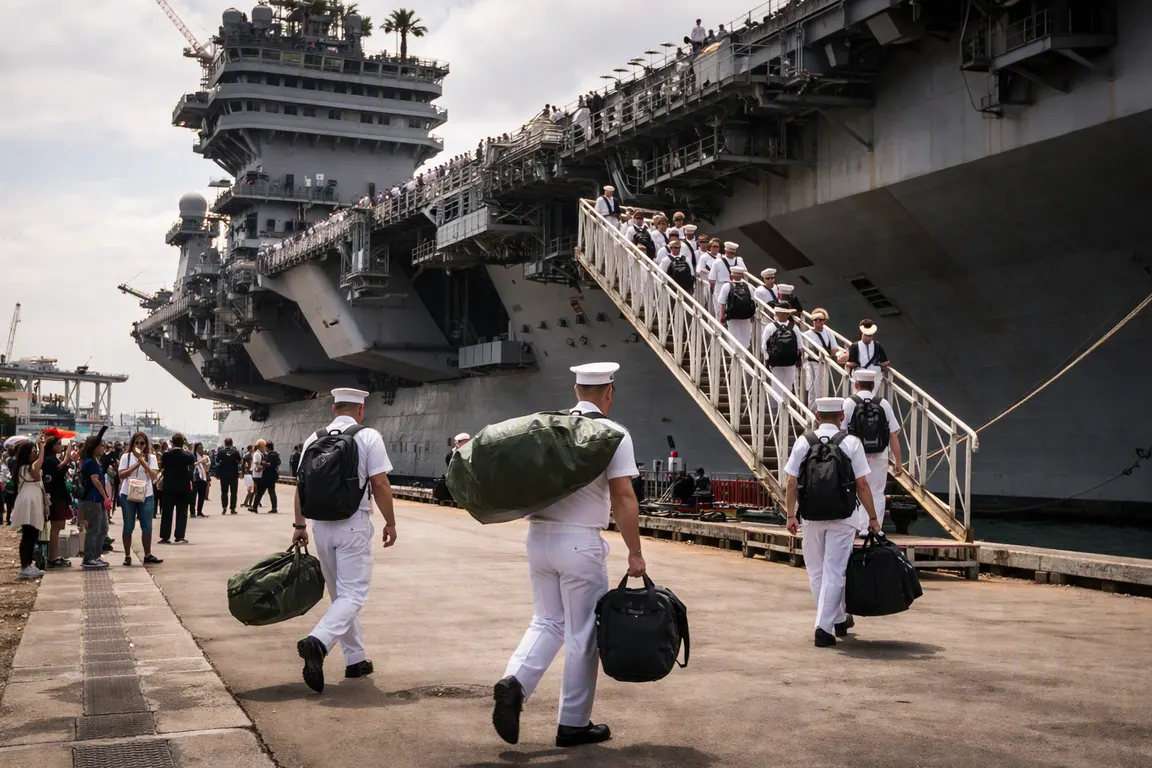
The USS Abraham Lincoln deployment concluded when the nuclear‑powered carrier slipped into Laem Chabang harbor on Wednesday, ending a 286‑day uninterrupted sea stint that supported U.S. operations against Iran. The four‑ to five‑day layover is the ship’s first shore time since leaving the Middle East in August.
After more than nine months at sea, crew members reported shortages of food and hygiene supplies, rising fatigue and mental‑health concerns. Observers noted rust‑streaked hull sections that could signal deferred maintenance.
During the deployment the carrier carried roughly 5,000 sailors and Marines. The flight deck and superstructure remained at sea for 286 consecutive days, the longest continuous carrier deployment in recent U.S. history. In August, USS George Washington relieved the Lincoln in the Persian Gulf, allowing the carrier to maintain a forward presence without returning to a U.S. port.
Reports from The Independent World and NBC News described large blotches of rust above the waterline and near the flight deck. Commanding Officer Capt. Dan Keeler called the condition “normal for a long deployment” and declined to comment on President Trump’s earlier remark that the deployment was “not nearly long enough.” Navy officials said the ship will undergo repainting and corrosion‑control work during its upcoming yard period in San Diego.
Crew‑welfare concerns surfaced in multiple accounts. Sailors quoted by the Wall Street Journal and AP said morale slipped as supplies ran low and rest opportunities dwindled. One Marine said, “You start to feel the strain after weeks without proper food or a chance to shower.” The U.S. Embassy in Thailand framed the visit as a “rest and recovery” period, without mentioning the reported shortages.
The port stop also has a local economic dimension. Vendors in nearby Pattaya expect a short‑term boost from thousands of service members purchasing meals, transport and recreation. Thai officials welcomed the visit as an opportunity to showcase the country’s hospitality while monitoring security protocols for a high‑value asset.
The Lincoln is scheduled to leave Laem Chabang in four to five days and head for San Diego, where it will begin a scheduled maintenance cycle. The Navy has not announced any immediate changes to deployment policy, but the combination of crew fatigue, supply shortfalls and visible hull degradation will likely inform future assessments of deployment length and maintenance budgeting.
As the carrier prepares to sail home, the Navy faces clear questions: how to balance operational tempo with sailor health, how to address corrosion that accumulates during prolonged sea time, and whether the current deployment cycle adequately protects both personnel and platform readiness.