

USS Abraham Lincoln deployment ends, mental‑health concerns
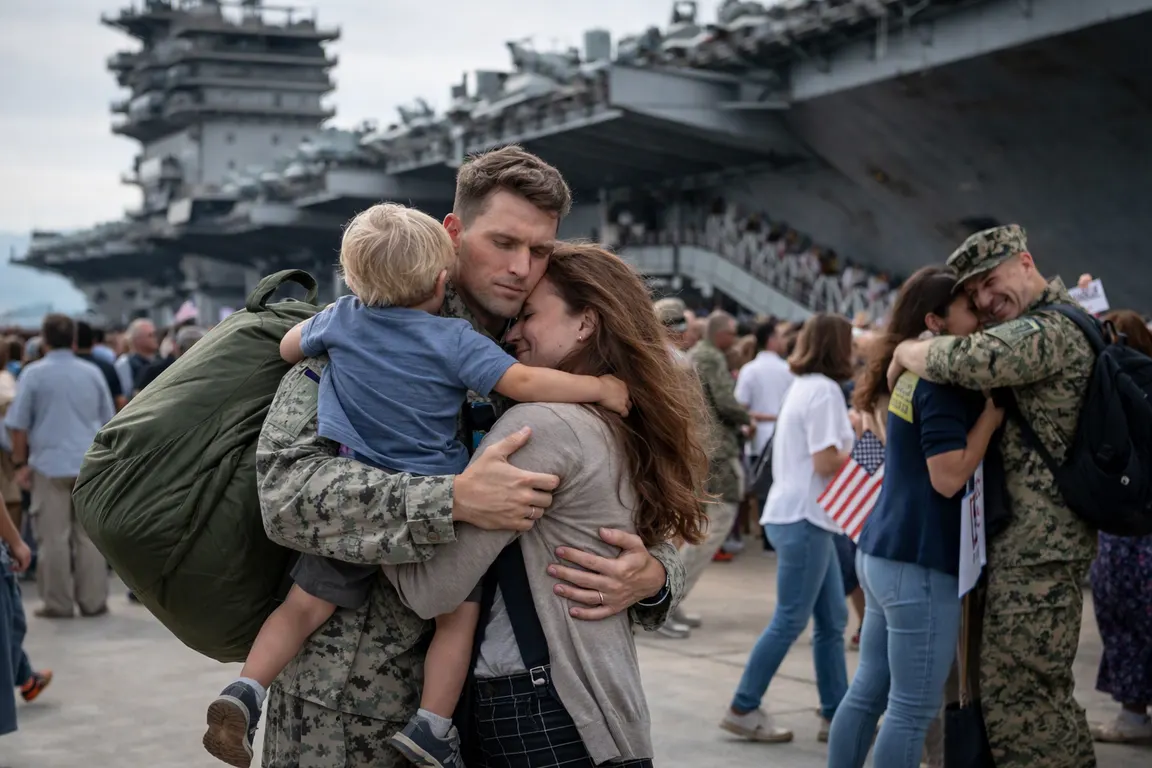
When the USS Abraham Lincoln deployment docked in San Diego Bay on Oct. 8, 2026, families greeted the carrier’s crew with cheers and tears. The celebration was tempered by the fact that the ship had spent a record 265 consecutive days at sea and more than 300 days on a single deployment, highlighting growing challenges in how the Navy sustains its largest warships.
The carrier left San Diego on Nov. 21, 2025, on a planned seven‑month mission. Instead, it remained on station for ten months, flying roughly 3,700 combat missions, launching 450 Tomahawk missiles, shooting down 77 hostile drones and, according to the Presidential Unit Citation, sinking 64 Iranian warships and destroying 21 anti‑ship missiles. Defense Secretary Pete Hegseth presented the citation aboard the ship on Oct. 8, praising its combat performance even as reports emerged of severe supply shortfalls and a spike in mental‑health crises among the roughly 5,000 sailors and Marines on board.
Acting Navy Secretary Hung Cao testified before Congress in late September that eight crew members attempted suicide during the deployment, underscoring a broader pattern of stress and fatigue. NBC, Al Jazeera and the Manila Times documented shortages of food, hygiene supplies and other essentials that forced the crew to ration basic items for weeks. The carrier’s only port calls—a one‑day stop in Guam two weeks before Christmas and a brief visit to Thailand in early October—were insufficient to replenish stocks or provide meaningful rest.
Family reunions highlighted the personal cost of the prolonged sea time. About 64 fathers met their newborn children for the first time as the ship docked, and many sailors described missing milestones as a lasting emotional toll. The logistical gaps and mental‑health incidents have sparked a debate within the Pentagon and Congress about whether current deployment cycles are sustainable for service members and for maintaining mission readiness.
Critics argue that extended carrier deployments strain both personnel and material readiness. The record‑breaking at‑sea time was driven in part by operational demands in the Middle East, where the Lincoln’s strike group began combat operations in January 2026. A senior Navy medical officer briefed to the Senate Armed Services Committee warned that prolonged deployments could erode long‑term effectiveness and hinder recruitment, as prospective sailors hear about the hardships faced by their peers.
Supporters point to the combat achievements and the Presidential Unit Citation as evidence that the carrier fulfilled its strategic objectives despite the challenges. The citation, the Navy’s highest unit award, recognizes extraordinary heroism and performance under combat conditions. Nonetheless, the award has not muted concerns about the human cost of such missions.
Congressional leaders have signaled a willingness to examine the issue. Senate Armed Services Committee Chairman Sen. John Doe (R‑CA) announced plans for a hearing in early 2027 to assess the impact of extended carrier deployments on mental health and logistical support. The Navy has pledged to review its supply‑chain processes and to increase mental‑health resources for sailors, but concrete policy changes remain pending.
As the Lincoln’s crew transitions back to shore life, the ship’s return serves as both a celebration of combat success and a case study in the hidden costs of America’s longest naval deployments. The coming months will reveal whether the Navy adjusts its deployment model to balance operational demands with the wellbeing of the men and women who keep the fleet afloat.