

U.S.-Ukraine Intelligence Dispute as Russian Missiles Hit
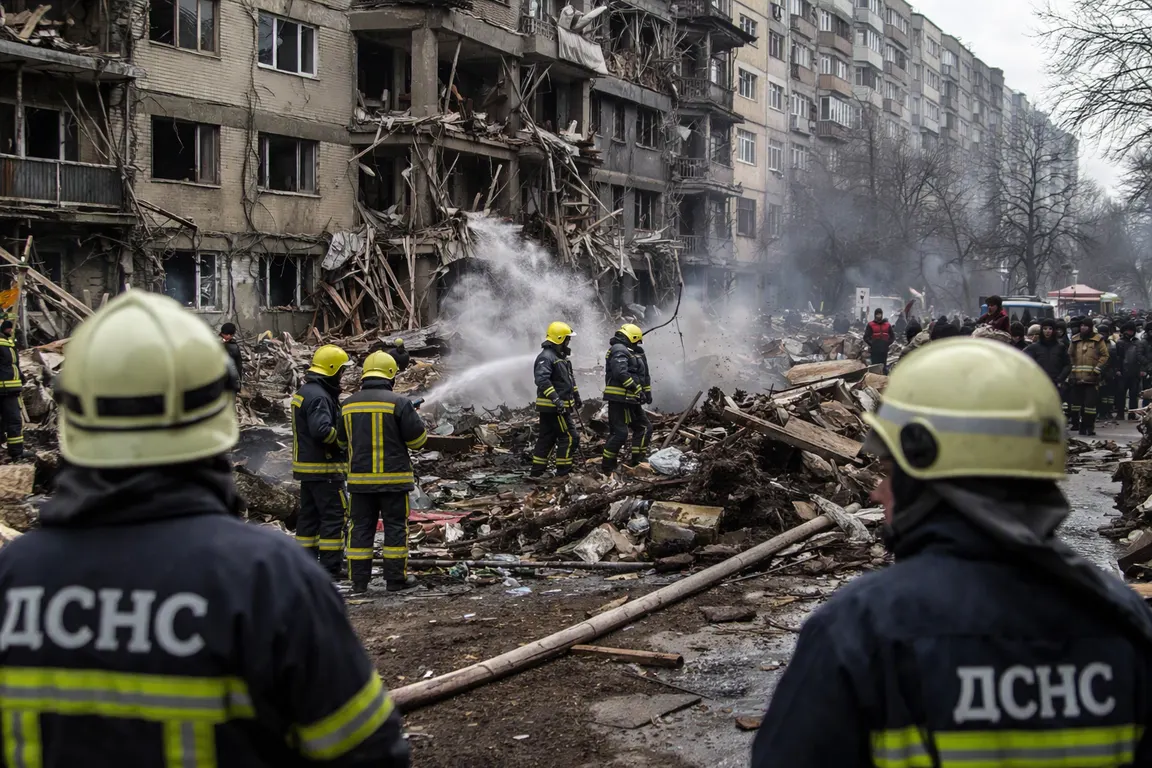
Russian missile and drone attacks surged across Ukraine on Tuesday, hitting power substations, schools and residential neighborhoods. At the same time, President Volodymyr Zelenskyy met U.S. special envoys in Oslo, Norway, to discuss concerns that Washington is limiting the flow of actionable intelligence. The U.S.-Ukraine intelligence dispute centers on Ukrainian officials’ allegation that the United States is withholding data that could help the Ukrainian military anticipate and counter Russian strikes, potentially increasing civilian casualties.
The White House and Republican Senator Marco Rubio have denied the claim, saying no intelligence has been withheld and that the United States remains committed to the full range of support pledged to Kyiv. The Oslo meeting, described by BBC News as a routine diplomatic engagement, took place as Russian forces launched a coordinated wave of missile and drone attacks across multiple regions.
Ukrainian officials warned that any delay in receiving real‑time intelligence could impair the military’s ability to protect civilians and critical infrastructure. The dispute traces back to a broader political clash that intensified after former President Donald Trump returned to the White House and publicly criticized Zelenskyy. While the relationship between the two leaders has been described as “rocky,” no concrete changes to aid packages or intelligence sharing have been confirmed.
For Ukrainians on the ground, the immediate concern is the heightened danger from the latest Russian strikes, which have already caused deaths and displaced families. Military analysts note that timely intelligence on missile trajectories and drone movements is essential for mitigating damage and saving lives.
International allies are watching the disagreement closely. If political friction in Washington appears to affect the flow of intelligence or other assistance, partner nations may reassess the reliability of U.S. commitments and adjust their own support to Kyiv.
The Oslo talks concluded without a public statement outlining new agreements. Both sides continue to deny any reduction in aid, and U.S. Secretary of State Antony Blinken reiterated that Washington is not withholding intelligence that could prevent Ukrainian losses.
As Russian attacks persist, the next step is likely a briefing by the U.S. envoys to confirm that intelligence flows remain uninterrupted and to address Kyiv’s concerns. Observers will be looking for concrete assurances from Washington to prevent the political dispute from translating into operational shortfalls that endanger civilians.