

U.S. troop withdrawal from Iraq ends, security gap looms
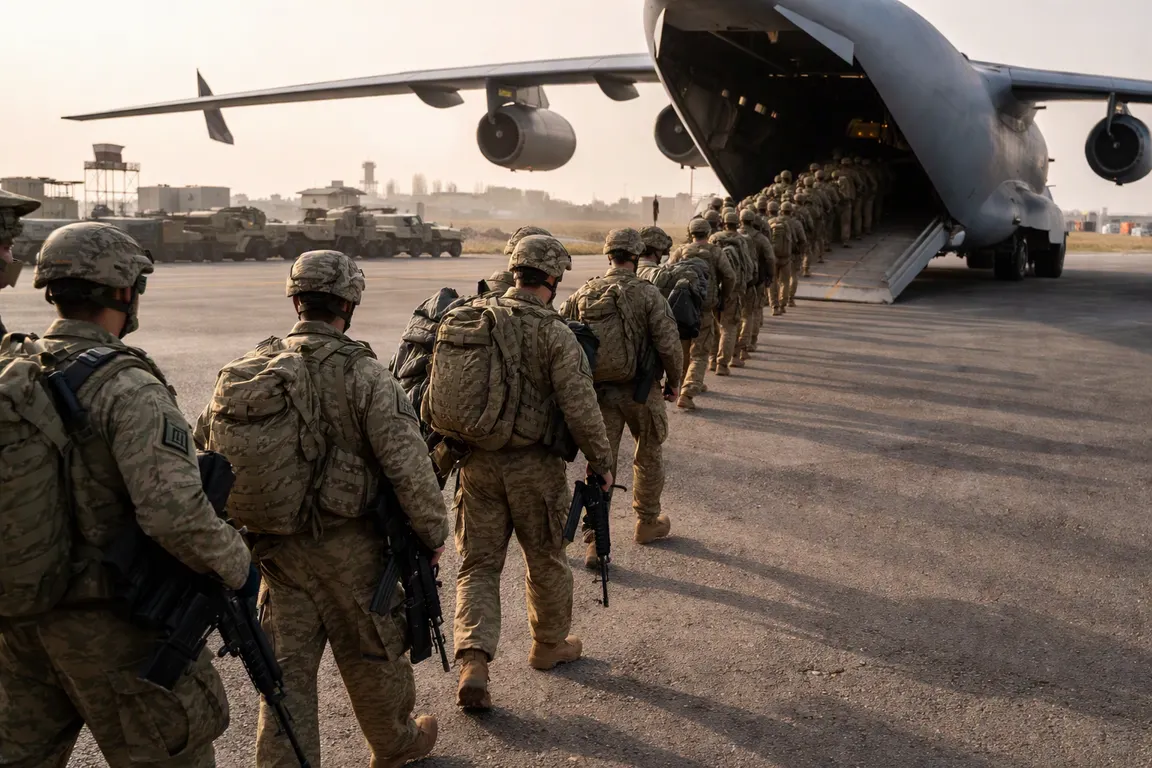
The United States completed its final troop withdrawal from Iraq on Sept. 30, 2026, officially ending Operation Inherent Resolve. Pentagon spokesperson Sean Parnell said coalition forces have vacated every base, including the Erbil headquarters, and that the mission that began in 2014 is now concluded.
The same day, influential Shia cleric Muqtada al‑Sadr urged Iraqis to seek compensation for what he called “damages” caused by the decade‑long U.S. presence. His call coincides with celebrations in Baghdad that the exit marks a step toward full sovereignty; officials have designated Oct. 1 as “Sovereignty Day.”
Iraq’s security outlook, however, remains uncertain. Iran‑backed militias such as Kataeb Hezbollah, Harakat al‑Nujaba and Kataeb Sayyid al‑Shuhada have publicly refused to disarm, and the government has pushed the deadline for militia disarmament to June 2027. Prime Minister Ali al‑Zaidi pledged a “comprehensive” plan that includes talks with militia leaders, tighter border controls and the integration of willing fighters into the regular armed forces. Analysts warn that unresolved militia activity could spark localized clashes, disrupt daily life in Baghdad and the oil‑rich south, and undermine confidence in the state’s ability to provide security.
Al‑Sadr’s compensation demand lacks a clear legal foundation. Legal scholars note that any claim would have to navigate sovereign‑immunity rules and the 2024 U.S.–Iraq agreement that set the withdrawal timetable. Pursuing lawsuits could strain already fragile U.S.–Iraq relations and distract from urgent security reforms.
Washington says its involvement will not end entirely. The Department of Defense confirmed that targeted training and intelligence support for Iraqi forces will continue, and the United States retains leverage over Iraqi oil revenue held at the Federal Reserve Bank of New York. That leverage may affect Baghdad’s fiscal planning as it seeks to fund reconstruction and public services without direct coalition funding.
Regional actors are watching the transition closely. Iran may see militia refusals as an opening to deepen its influence, while Israel and Gulf states are likely to assess how any security gap could affect their own strategic calculations. Energy markets could feel secondary effects if militia activity threatens oil production or transport routes.
The next concrete milestone is the June 2027 deadline, when the Iraqi government hopes to secure disarmament agreements with the remaining armed groups. Until then, the balance between celebrating sovereignty and confronting a potentially volatile security environment will dominate public discourse. Whether al‑Sadr’s compensation call gains traction, and how effectively the United States can provide support without boots on the ground, will shape Iraq’s near‑term stability.