

U.S. strikes Larak Island missile strike site, oil prices
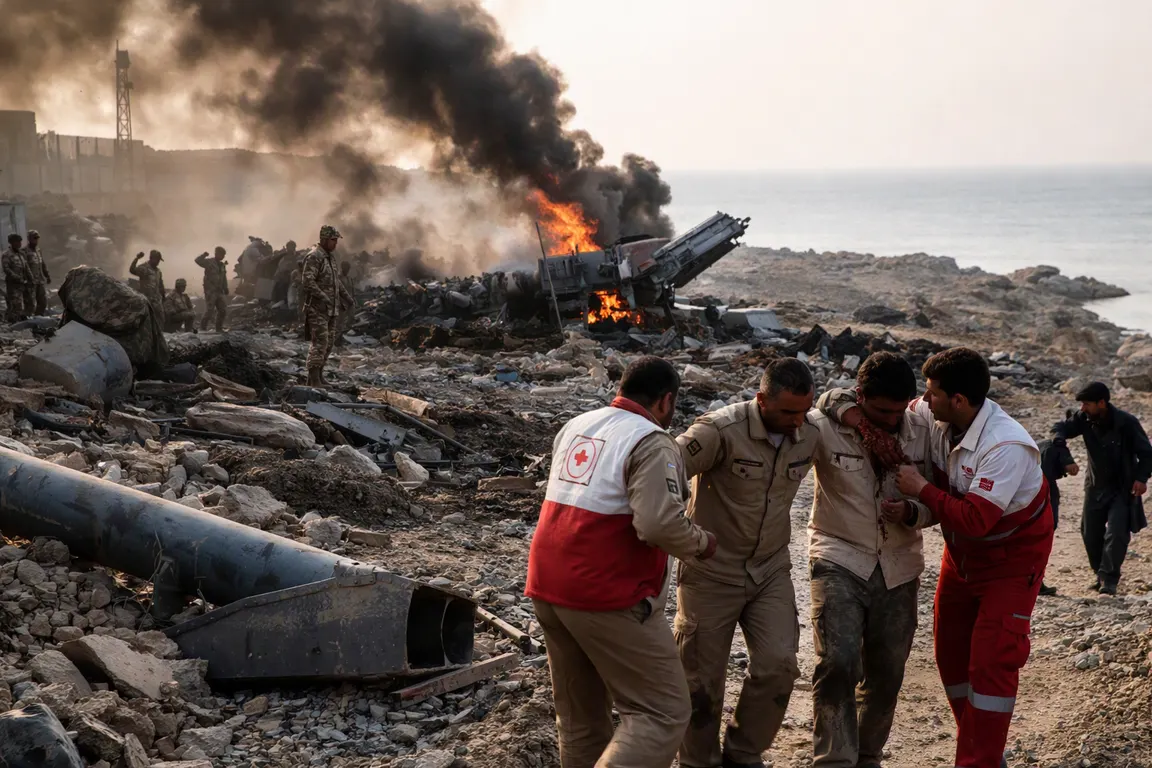
U.S. Central Command said its forces hit an Iranian missile launch site on Larak Island on Aug. 31, citing imminent minelaying in the Strait of Hormuz. Iran’s Islamic Revolutionary Guard Corps later confirmed two people were killed and several injured in the attack.
The strike comes at the six‑month mark of a low‑intensity conflict that began after Tehran seized a commercial vessel in the Gulf. Washington described the operation as a limited, precision effort to stop sea mines that could choke the world’s most important oil conduit.
Within hours, Iran’s IRGC launched eight ballistic missiles toward U.S. bases in Jordan. Jordan’s air force intercepted all of them, reporting no damage to U.S. facilities.
The exchange has already moved global oil markets. Brent crude futures rose to $90.48 a barrel, up 2.5%, while U.S. West Texas Intermediate topped $86 a barrel. Analysts note that 6‑8 million barrels per day continue to flow through the Strait, but the perception of risk has pushed tanker insurance premiums higher and prompted some operators to consider rerouting around the Cape of Good Hope.
Iranian statements portrayed the Larak strike as an unprovoked act that caused civilian casualties and threatened regional stability. Jordan’s military emphasized a clean interception, while Iranian state media suggested at least some missiles reached their targets. President Donald Trump, speaking on Fox News, vowed retaliation and called Iran a “failed nation,” but no further U.S. strikes were confirmed in the immediate aftermath.
The strategic stakes are clear. The Strait of Hormuz handles roughly a fifth of global oil consumption; any disruption—whether from mines, missile attacks, or broader naval confrontations—could reverberate through fuel prices worldwide. Shipping companies are already reassessing routes and insurance costs, and oil‑importing nations expect higher pump prices for consumers. At the same time, regional civilians face heightened danger from missile debris and any mining of shipping lanes.
Both sides have signaled a willingness to escalate. Iran’s foreign ministry warned of “decisive” retaliation if the United States conducts further aggression. The United States, meanwhile, has not announced additional operational steps beyond the Larak raid, and the Trump administration’s rhetoric has not translated into documented follow‑up strikes.
International actors are urging restraint. The United Arab Emirates and Qatar have called for diplomatic channels to address the minelaying concern, and the United Nations has offered to monitor maritime traffic in the Strait. No concrete de‑escalation mechanism has been put in place, and the risk of miscalculation remains high.
The next critical question is whether either side will expand the conflict beyond isolated strikes. For now, the immediate concern is protecting the flow of oil through the Hormuz corridor and preventing civilian harm. Monitoring agencies in the region will continue to track missile activity and any signs of mining, while policymakers in Washington and Tehran weigh the cost of further escalation against the strategic imperative of securing their respective interests.