

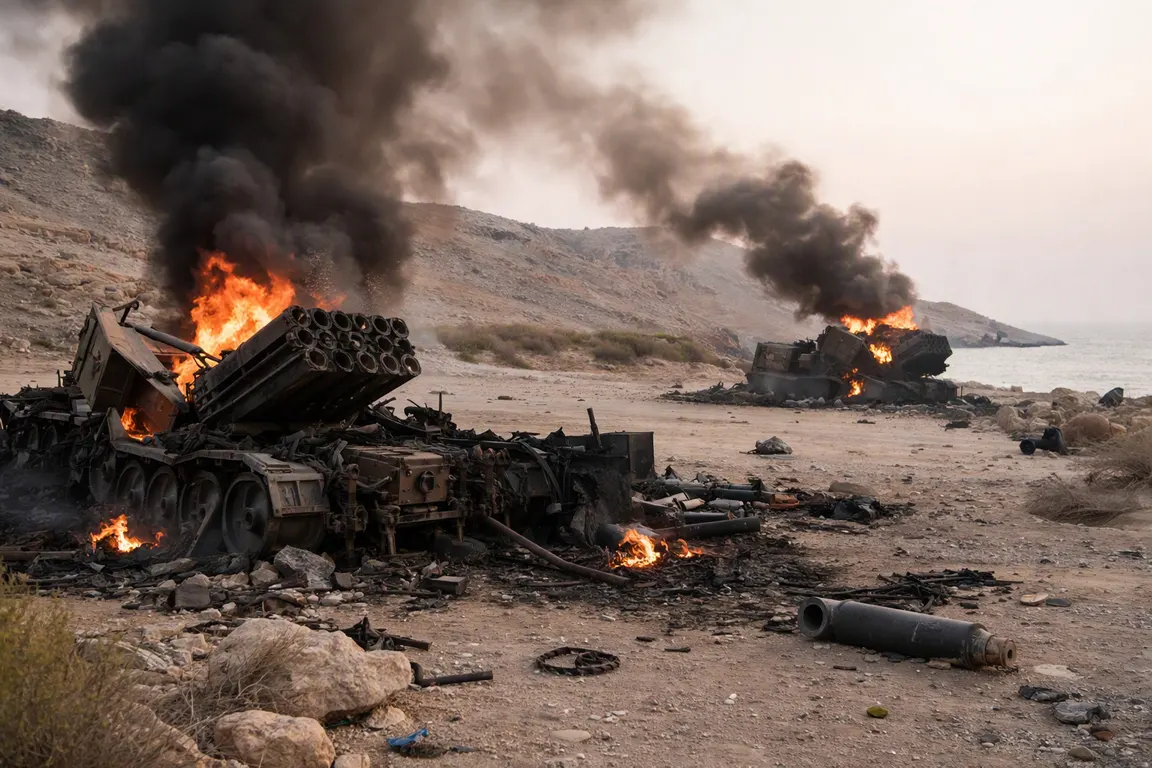
U.S. Central Command said on Sunday it bombed two Iranian rocket launchers on Larak Island in the Strait of Hormuz. Hours later the Islamic Revolutionary Guard Corps fired ballistic missiles at the U.S.-operated King Hussein and Al‑Azraq airbases in Jordan.
The exchange revives concerns about a broader regional conflict and threatens the free flow of oil through the strategic waterway. Brent crude rose above $90 a barrel and U.S. West Texas Intermediate climbed to $85.41 after the strikes were reported.
CENTCOM framed the Larak Island strike as a pre‑emptive move to stop Iran from laying sea mines after a recent clearance operation in the strait. The command identified the two launchers as the only active Iranian positions on the island, which had escaped attack during a month‑long lull.
Iranian state television later broadcast footage of the missile launches and said the rockets targeted technical infrastructure, maintenance facilities and fighter‑jet positions at the Jordanian bases, claiming “heavy damage.” U.S. officials have not confirmed any casualties or the extent of damage at King Hussein or Al‑Azraq. Independent verification of Iran’s claim is still pending.
The incident comes as the Iran‑U.S. conflict reaches its six‑month mark. A cease‑fire agreement brokered in April and a memorandum of understanding signed in June have not produced a durable de‑escalation. Senate Armed Services Committee Chairman Jack Reed, speaking ahead of the November midterms, warned that the war has shown little progress and urged a reassessment of strategy.
Oil markets reacted immediately. The Strait of Hormuz carries roughly one‑fifth of global oil supplies, and shipping firms warned of potential delays if Iran resumes mining or launches further attacks. Any disruption could compound existing logistical bottlenecks and push fuel prices higher.
Personnel stationed at the Jordanian bases now face the prospect of injury and operational disruption. Regional economies that depend on steady oil shipments also risk price spikes and supply‑chain strain.
Mediators in Pakistan and Qatar have called for renewed diplomatic engagement, noting that the latest exchange undermines ongoing peace‑building efforts. Both sides have signaled willingness to continue military actions, and no third‑party verification of the Jordanian damage has emerged.
In the weeks before the strike, the United States conducted a series of nightly operations against Iranian targets, including a broader campaign on July 29 and a 13‑night run of strikes earlier in the month. The July 31 attack marks the first direct hit on Iranian launchers in weeks, suggesting a shift in the tempo of the conflict.
Diplomatic channels, including the United Nations and regional actors, are expected to convene in the coming days to address the escalation and seek measures that keep the Strait of Hormuz open while preventing further spikes in global fuel costs.