

US strike on Iranian launchers raises Strait of Hormuz
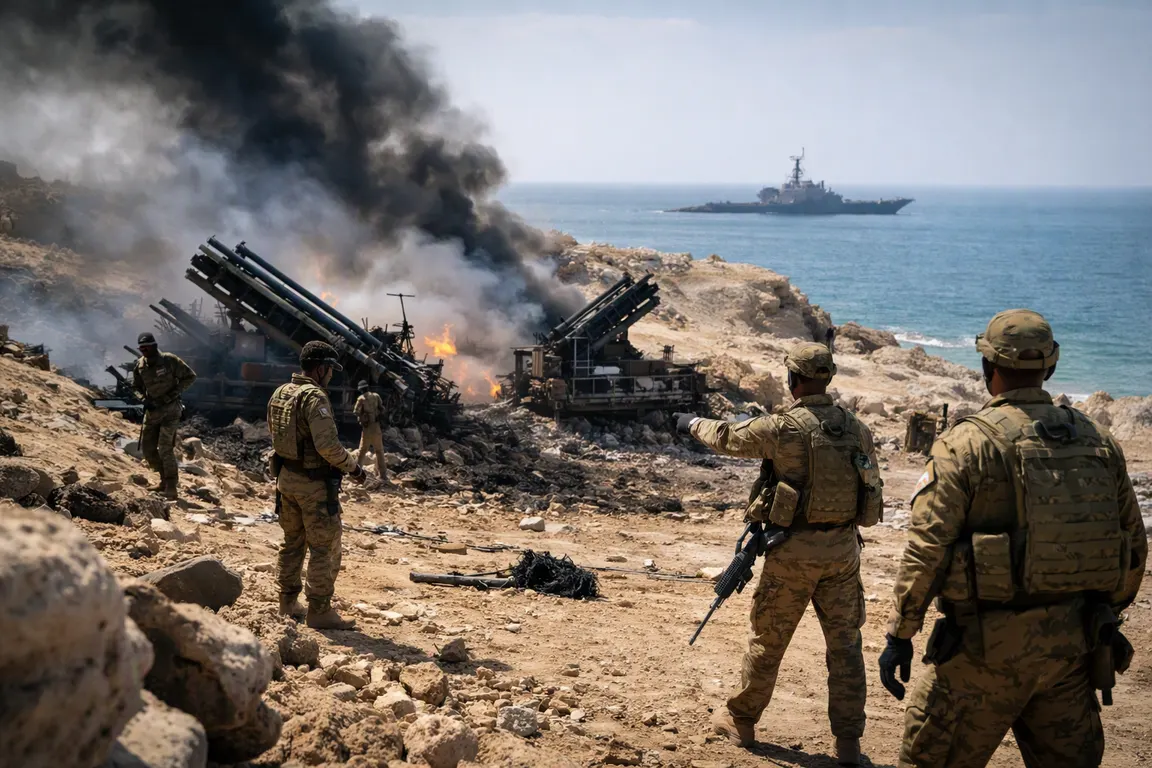
The United States carried out a precision strike on Iranian rocket launchers on Larak Island in the Strait of Hormuz on Monday, prompting Iran to fire ballistic missiles at U.S.-aligned air bases in Jordan and launch drones over the United Arab Emirates. The exchange comes six months into a conflict that has already cut roughly one‑fifth of global oil flow. The Strait of Hormuz moves about 20% of the world’s crude, and any disruption could reverberate through already volatile oil markets as U.S. midterm elections approach.
U.S. Central Command described the Larak operation as a "limited, precise action" intended to prevent imminent mine‑laying on commercial vessels. Iranian officials dismissed the claim as disinformation. State media in Tehran reported three deaths and several injuries, but independent verification is pending.
In retaliation, Iran launched a salvo of ballistic missiles toward two U.S.-operated air bases in Jordan. The Jordanian army said it intercepted eight missiles; U.S. officials confirmed that all but one projectile were neutralized, the remaining one deemed non‑threatening. Simultaneously, Iranian drones flew over the UAE, where local air defenses engaged them.
The immediate market reaction was swift. Brent crude futures rose more than a dollar per barrel as traders priced in the risk of a temporary closure of the strait. Shipping firms warned of higher rerouting costs and safety concerns for crews navigating the Gulf, where missile debris or accidental engagements could force vessels to detour around the Arabian Sea, adding days to transit times.
Regional allies feel the ripple effects. Jordan’s military highlighted the successful interceptions but warned that repeated attacks could strain its air‑defence infrastructure and endanger civilians near the bases. In the UAE, authorities have not released casualty figures, but the presence of drones over populated areas heightened public anxiety. U.S. service members stationed at the targeted bases now face an elevated threat environment, prompting a review of force‑protection measures.
Economic pressure on Tehran remains a central U.S. lever. Treasury Secretary Scott Bessent, speaking at a G20 meeting, said sanctions and financial constraints would continue and could reach a turning point within weeks or months. The statement underscored Washington’s intent to combine military deterrence with economic coercion.
U.N. Secretary‑General Antonio Guterres called the exchange "very regrettable" and urged a return to diplomatic talks, echoing calls from Qatar and Pakistan for mediated dialogue. With both sides trading accusations—Washington citing imminent mine‑laying and Iran branding the U.S. claim false—confidence‑building measures remain limited.
Analysts note that even a brief shutdown of the Strait of Hormuz would send crude prices soaring, pressuring fuel‑dependent economies and amplifying domestic political debates in the United States ahead of the November midterms. Voters already see higher gasoline and fertilizer costs on their bills, linking the conflict abroad to local electoral concerns.
The next critical step is whether diplomatic channels, perhaps facilitated by regional mediators, can de‑escalate the situation before another round of strikes. Until then, the world’s oil lifeline remains vulnerable to a single island’s flash of missiles, and the balance between strategic restraint and decisive response will shape both market stability and regional security.