

U.S. secondary sanctions on ICC spark diplomatic backlash
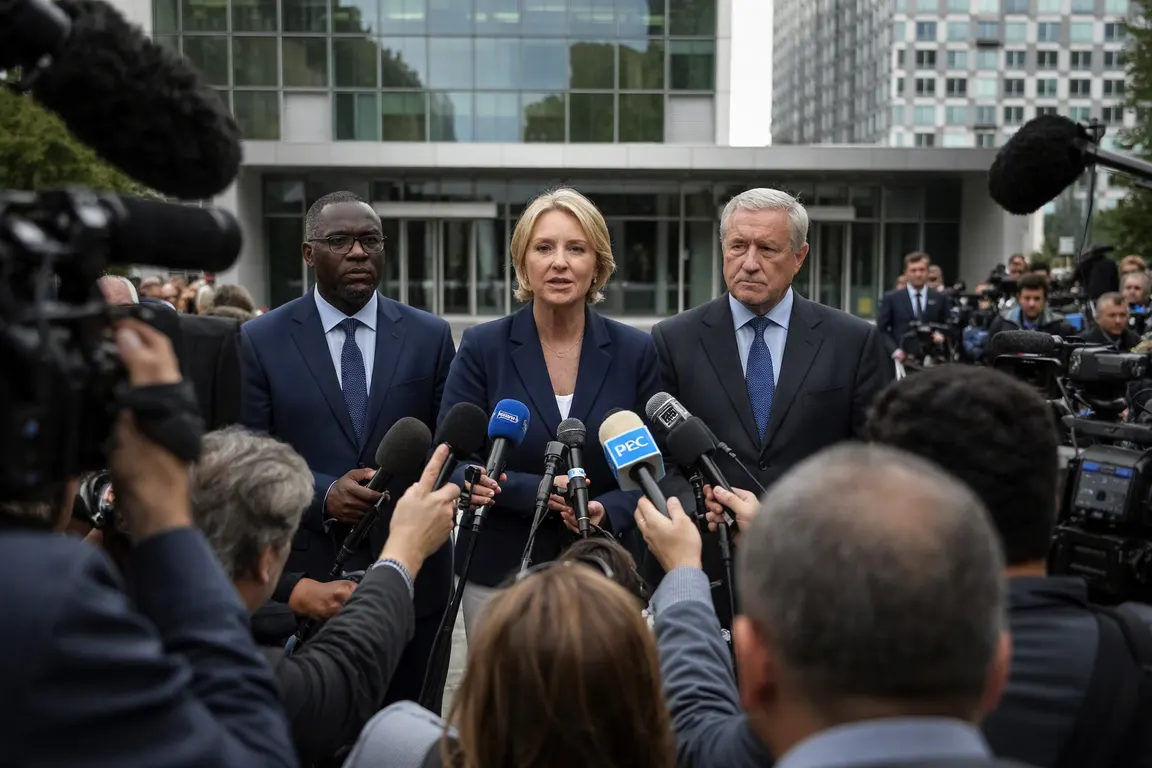
The U.S. Treasury announced secondary sanctions on the International Criminal Court (ICC) on Monday, warning that the court will lose access to the U.S. dollar clearing system and that any jurisdiction that continues to work with the tribunal could face penalties. The measures target the ICC itself and any entity that facilitates its financial transactions. U.S. persons are barred from providing services to the court or its partners, and jurisdictions that maintain cooperation could be subject to secondary penalties. The Treasury said the step is intended to protect U.S. national sovereignty.
The sanctions mark the first time Washington has used secondary sanctions against an international judicial body. The announcement prompted an immediate diplomatic response from the European Union, Canada, Japan and the United Nations, all of which called on the United States to reverse the action. The United Kingdom and several other ICC member states also voiced strong disagreement, highlighting a growing rift with traditional allies.
ICC President Tomoko Akane condemned the sanctions as an "attack against sovereign states" that undermines the rule of law. She said the court relies on contributions and financial services from member states and private donors, and that the new restrictions could cripple its ability to fund investigations, victim‑assistance programs and staff.
Critics note that the sanctions follow a Wall Street Journal editorial earlier this year that framed the ICC as a threat to America and urged punitive action. U.S. officials cited the court’s recent decision to issue an arrest warrant for a former judge as evidence of overreach, but no evidence has been presented that the court poses a direct threat to U.S. interests.
If the ICC’s access to the global banking network is blocked, the court will have to rely on alternative funding channels, such as private philanthropy and non‑U.S. financial systems. Officials warn those sources are unlikely to fully replace the lost liquidity, potentially delaying ongoing war‑crimes investigations and eroding confidence in international accountability mechanisms.
The diplomatic backlash could also complicate U.S. cooperation with allies on broader security and human‑rights initiatives. European capitals said they will review joint programs that depend on shared financial infrastructure, while Japan and Canada affirmed they will continue to fund the ICC despite U.S. pressure. The United Nations has called for a multilateral discussion to resolve the dispute and preserve the integrity of international legal institutions.
In the coming weeks, the United States may either enforce the sanctions as announced or soften them through diplomatic negotiation. The outcome will shape not only the ICC’s financial outlook but also the credibility of multilateral institutions and the United States’ role in upholding international law.