

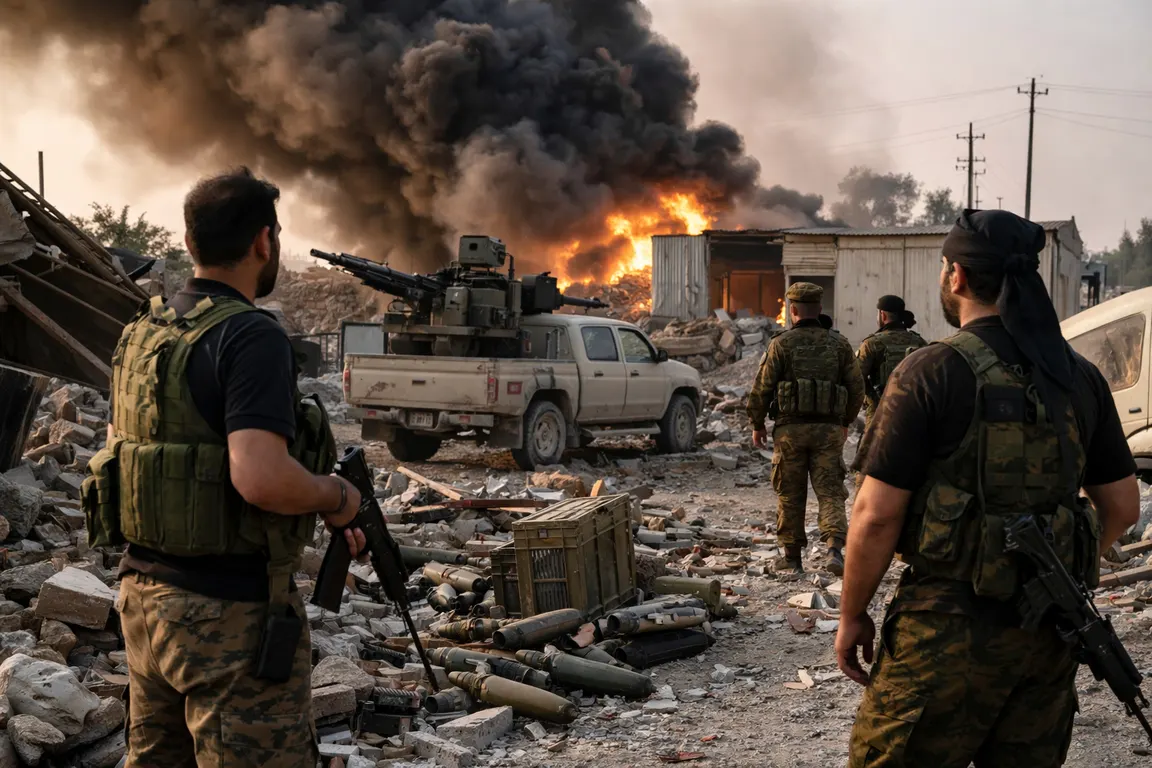
The US and Saudi Arabia have launched joint air strikes on Iran-backed groups in Iraq, targeting logistics and weapons sites in eastern Iraq, amid the escalating US Iran conflict. This development has raised concerns over global oil supplies and the potential for further escalation in the Middle East.
The conflict has led to a surge in crude oil prices, with a more than 4% increase, and the Strait of Hormuz, a critical waterway for global oil supplies, is at the center of the dispute. The US and Saudi Arabia have accused Iran of supporting terrorist militias in the region, while Iran insists on its control over the Strait of Hormuz.
The recent air strikes and retaliatory attacks have heightened tensions, with the US military intercepting multiple missiles launched by Iran. The people of Iraq, Iran, and the surrounding regions are at risk of being affected by the escalating violence. As the conflict continues to escalate, the world is watching to see what the consequences will be for global oil supplies and regional stability.
The US and Saudi Arabia's joint air strikes have been followed by retaliatory attacks by Iran, including the claimed strike on three tankers in the Strait of Hormuz. The management of the Strait of Hormuz is a key point of contention, with Iran insisting on its control and the US opposing it. The implications of the conflict are far-reaching, with the potential to affect global oil supplies, leading to increased prices and economic instability.
The international community is waiting to see how the conflict will be resolved, and what the consequences will be for the region and the world. The next steps for the US, Saudi Arabia, and Iran in terms of negotiations and potential further military action remain uncertain. The situation continues to unfold, with the potential for significant impacts on global oil supplies, regional stability, and the economy.