

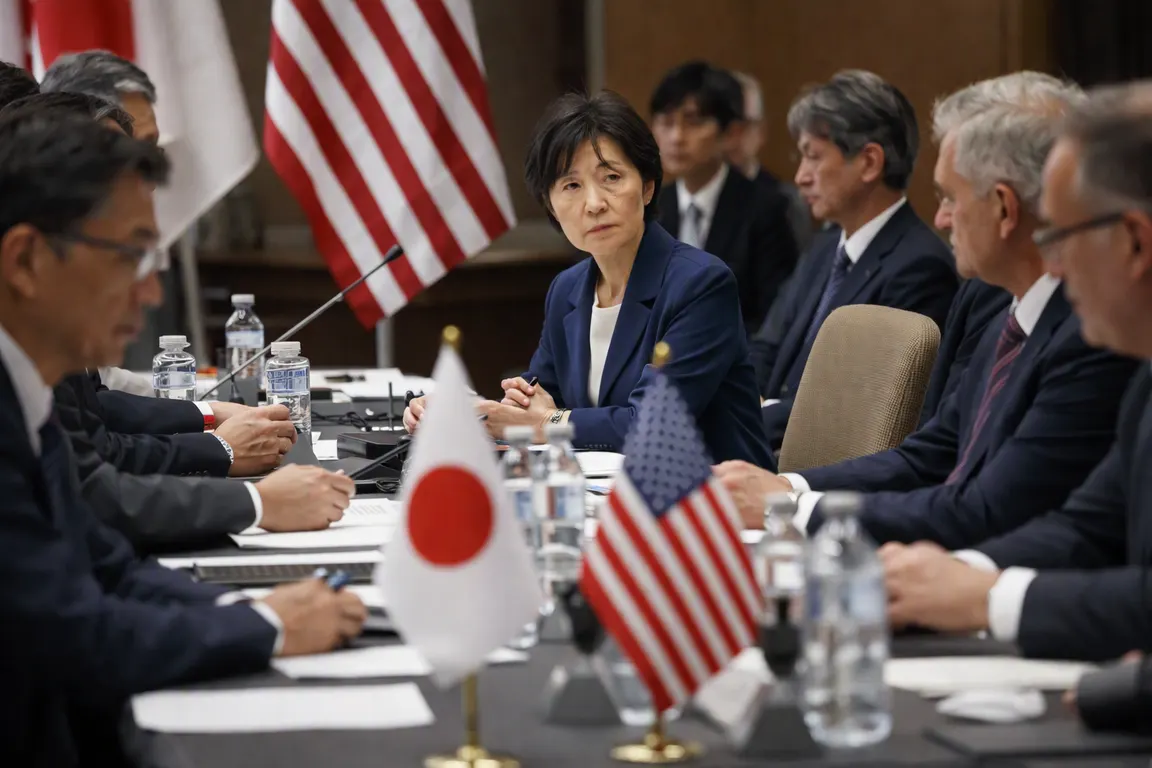
The United States froze the U.S.-based assets of Japanese International Criminal Court (ICC) judge Tomoko Akane on May 5, intensifying a diplomatic clash that forces Tokyo to balance its support for the court with its security partnership with Washington. The action is part of a broader U.S. campaign that has targeted senior ICC officials over investigations into alleged war crimes in Gaza, Afghanistan and other conflict zones.
The campaign began in late April when the United States announced sanctions on ICC President Fatou Bensouda and a senior trial lawyer, according to Al Jazeera. In early May the list expanded to include about a dozen additional officials, among them Judge Tomoko Akane, a Tokyo‑born member of the pre‑trial chamber, Manila Times reported. The sanctions froze Akane’s U.S. assets, barred her entry to the United States and extended to immediate family members, including a suspension of her credit‑card access. Akane told reporters in The Hague that the measures would not impede her judicial duties, but she called them “unjustified.”
Tokyo’s response unfolded over the next several days. On May 6 Prime Minister Sanae Takaichi said the sanctions were “not compatible” with Japan’s stance on international justice and pledged governmental support for Akane. The following day Foreign Minister Toshimitsu Motegi sent an envoy to The Hague to discuss assistance and warned that further U.S. actions could strain bilateral relations. A cross‑party group of lawmakers issued a joint statement condemning the sanctions and urging tougher action to protect Japanese nationals.
The sanctions affect more than Akane. Manila Times noted that the Trump administration has targeted nine of the court’s 18 judges, two deputy prosecutors, the former chief prosecutor and additional prosecution staff. Freezing personal assets and restricting travel creates practical hurdles for judges and investigators already operating under tight budgets and security constraints. Victims of alleged war crimes risk losing a critical avenue for accountability as the court’s ability to issue summonses, hold hearings and protect witnesses may be compromised.
Japan’s dilemma stems from its 2007 accession to the ICC as the 105th member, a decision made under former Prime Minister Shinzo Abe to bolster the country’s commitment to the rule of law. The current government must now weigh that commitment against the strategic importance of the U.S. alliance, which underpins security cooperation in the Indo‑Pacific. Analysts cited by Al Jazeera argue the United States is using sanctions to deter international legal scrutiny of its own military actions, while Japanese officials stress the need to preserve credibility on global justice issues.
Motegi’s envoy is expected to meet ICC officials to assess the practical impact of the asset freezes and explore whether Japan can provide financial or logistical support to the affected judges. Washington has not indicated a willingness to reverse the measures, leaving Tokyo to navigate a “tightrope” between defending a Japanese judge and maintaining a key security partnership.
How Japan ultimately responds will shape not only the ICC’s work on war‑crime investigations but also the precedent for how states use extraterritorial sanctions against international bodies. The outcome remains uncertain, and the world will be watching as Tokyo’s foreign ministry charts its next move.