

U.S. sanctions Iranian airlines spark overland travel surge
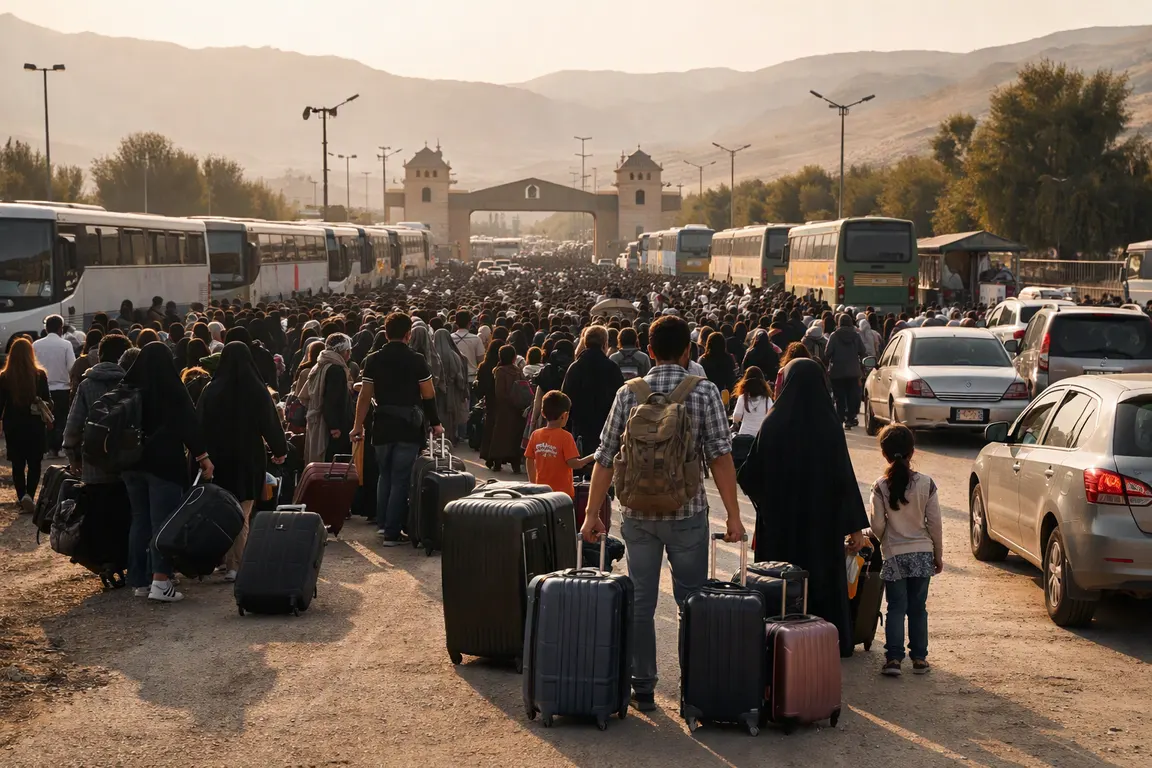
The U.S. Treasury announced on Sept. 23 that all Iranian airlines must cease operations worldwide, forcing an immediate halt to flights and a sharp rise in overland travel across the Middle East.
The order marks the first time the United States has required a global shutdown of a nation’s commercial carriers. Within hours, Turkey’s civil aviation authority cancelled every scheduled and charter flight for Iranian airlines, sending passengers onto buses, trains and private cars. Ticket prices on those routes have jumped 30‑40 percent, and journeys that once took a few hours by air now add dozens of hours and hundreds of dollars.
Treasury Secretary Scott Bessent said the measure targets Iran’s alleged support for illicit activities by cutting off fuel, landing‑rights, insurance and payment‑processing services that rely on the dollar‑based financial system. U.S. persons and entities are prohibited from providing those services to any airline owned or controlled by the Iranian government, and companies that violate the rule risk secondary sanctions that could bar them from the U.S. market.
The loss of Turkish‑Iranian routes removes a key revenue stream for both Turkish carriers and Iran’s tourism sector. Al Jazeera reported a surge in bus and train bookings from Tehran to Istanbul, Ankara and other hubs, reflecting the sudden shift in passenger flow.
Iran’s Supreme National Security Council, led by Mohsen Rezaei, warned that any regional airport cooperating with U.S. enforcement could be “paralyzed.” The threat, repeated by ZeroHedge, has not been backed by concrete operational plans, and no airport has yet been disrupted. Analysts say the rhetoric raises the stakes for airports in Kuwait, the United Arab Emirates and other transit points, but the capacity to carry out such a threat remains uncertain.
China’s response highlights the emerging split among global actors. On the day the sanctions took effect, an Iranian‑operated Mahan Air flight landed in Guangzhou, indicating Chinese authorities are not enforcing the U.S. restrictions. The incident underscores the difficulty of achieving universal compliance when major economies pursue divergent foreign‑policy goals.
The fallout extends beyond passenger inconvenience. Regional airlines that relied on Iranian traffic face immediate revenue gaps, prompting some to reevaluate route networks and staffing levels. Airport operators must choose between complying with U.S. secondary sanctions and risking retaliation, or maintaining services to Iranian flights and risking loss of access to U.S. financial channels. Aviation‑industry groups are issuing compliance guidelines and lobbying for clearer exemptions.
The United States has signalled the sanctions will remain until Tehran changes the behaviours cited in the Treasury’s statement. Regulators in Turkey, the UAE and other neighboring states are expected to issue detailed directives on screening transactions and services linked to Iranian carriers. Iranian officials have offered no timeline for possible retaliation, leaving airports and airlines to monitor the situation closely.
The next observable step will be whether any regional airport actually experiences operational disruption. If Iran’s threat moves from rhetoric to reality, it could trigger a broader reassessment of the sanctions’ effectiveness and their collateral impact on Middle‑East air travel.