

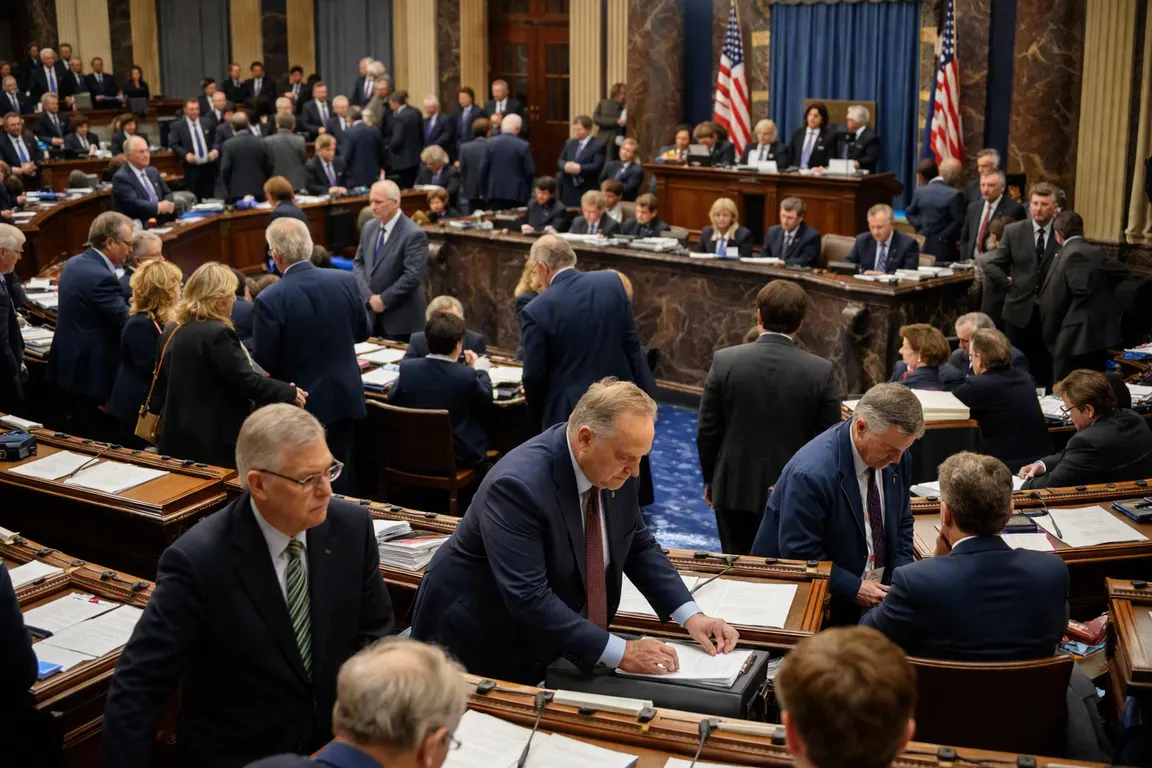
The US Senate voted 86-11 to pass a bill allowing the president to impose tariffs of up to 100% on the top five purchasers of Russian oil or natural gas, a significant escalation of economic pressure on Russia and Iran through Russia sanctions. This move marks a key development in the US's approach to Russia and Iran, with far-reaching consequences for global energy markets and international relations.
The bill's passage is a significant escalation of economic pressure on Russia, with potential impacts on global energy markets and international security. The legislation includes sanctions on Russian President Vladimir Putin, officials, oligarchs, and financial institutions, as well as extended sanctions on Iran's energy and weapons sectors.
China and India, the largest buyers of Russian crude oil, may be exempt from certain sanctions due to their limited reliance on Russian energy. The bill is expected to be passed by the House and then sent to the president for signature. The sanctions could have significant impacts on global energy markets, potentially leading to higher prices and supply chain disruptions.
The bill may also affect the livelihoods of people in countries that rely heavily on Russian energy exports. The sanctions could exacerbate existing tensions between Russia and the US, potentially leading to further escalation. The bill was introduced after the Russian invasion of Ukraine in 2022, and its passage comes after the US initially pushed for diplomacy with Moscow.
The Senate voted to pass the bill on August 7, 2026, renaming it in honor of late Senator Lindsey Graham, who championed the legislation. As the bill moves to the House, questions remain about how the sanctions will be implemented and enforced, and what exemptions will be made for certain countries. The potential human impacts of the sanctions, particularly for people in countries that rely heavily on Russian energy exports, are also a concern.
The next step will be for the House to vote on the bill, which is expected to pass, before it is sent to the president for signature. The US's approach to Russia and Iran is likely to continue evolving, with the sanctions bill representing a significant shift in policy. The impacts of the bill will be closely watched, both in the US and around the world, as the global community navigates the complexities of international relations and energy markets.