

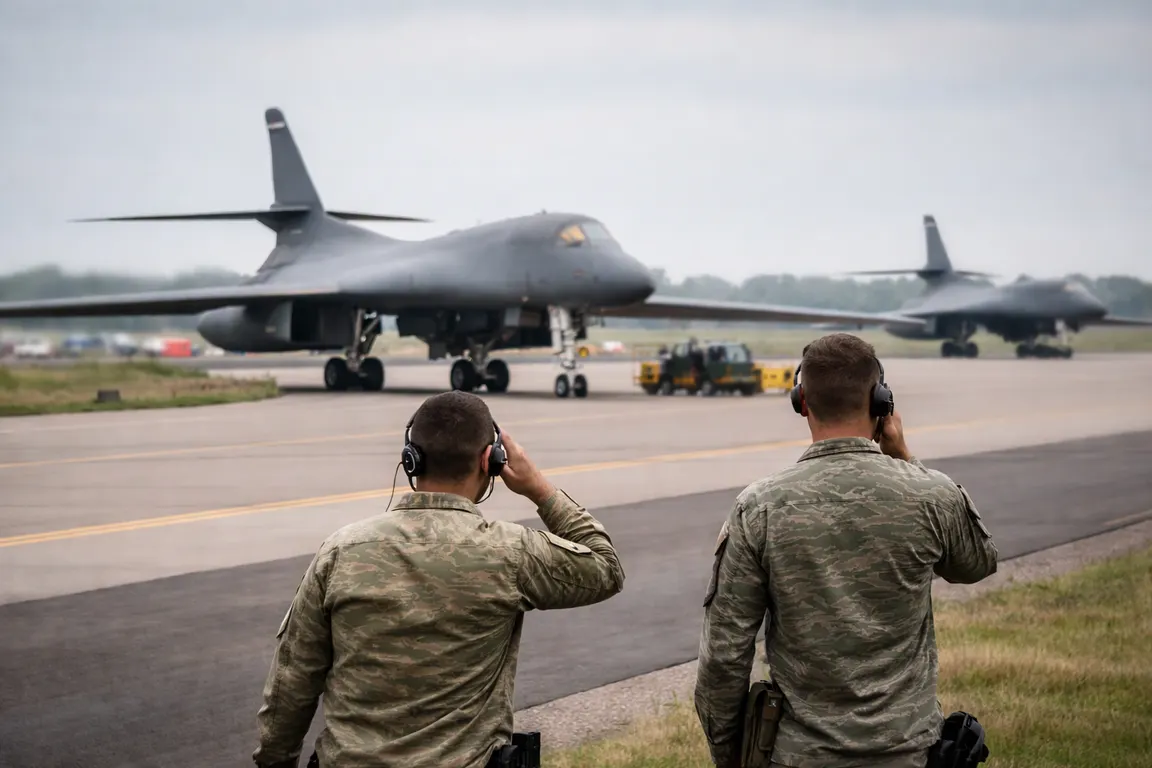
The United States has withdrawn all B‑1 bombers from RAF Fairford and returned them to U.S. bases, Pentagon officials confirmed Sunday. The pull‑out follows a foiled Iran‑linked plot that led British police to arrest a dual British‑Iranian national and several others in central London.
Investigators say the suspected attack on the Gloucestershire airbase appears to have been backed by Iran, though Washington has not officially confirmed the link. A Pentagon spokesperson declined to discuss operational details but said the aircraft have been "re‑deployed to their home stations."
RAF Fairford has long served as a forward operating location for U.S. Air Force bombers, offering a runway capable of handling heavy, long‑range aircraft. The base supports a sizable local economy, from housing and schools to businesses that cater to American personnel. The sudden departure of the B‑1 fleet removes a source of revenue and is likely to prompt a review of the base’s economic role.
For NATO, the pull‑out is a logistical adjustment that could affect training schedules and joint exercises. The B‑1, capable of carrying conventional and nuclear payloads over intercontinental distances, is a visible element of the alliance’s deterrent posture. Its removal, even temporarily, may lead allies to revise contingency plans and could be read by adversaries as a reduction in forward‑deployed capability.
U.S. and British defense officials are reviewing security protocols at forward bases across Europe. Sources familiar with the matter say heightened intelligence monitoring and additional force‑protection measures are under consideration, though no formal policy change has been announced. The British Home Office has not disclosed how many suspects were arrested, only that the arrests are part of a broader investigation into an Iran‑linked plot.
Local residents expressed mixed reactions. Some welcomed the increased security presence that accompanied the investigation, while others worried about job losses tied to the base’s operations. Gloucestershire County Council said it will explore alternative uses for the airfield’s infrastructure to sustain the local economy.
The episode highlights the delicate balance of hosting foreign military assets on domestic soil. The United Kingdom remains a core NATO partner, but intelligence threats can quickly translate into operational shifts.
Washington and London have pledged to share further intelligence and to coordinate any future deployments more closely. Whether the B‑1 bombers will return to RAF Fairford later this year remains uncertain, leaving allies and the local community awaiting clarification on the long‑term implications for U.S.–UK defense cooperation.