

U.S. Navy strikes Iranian oil tankers in Gulf of Oman
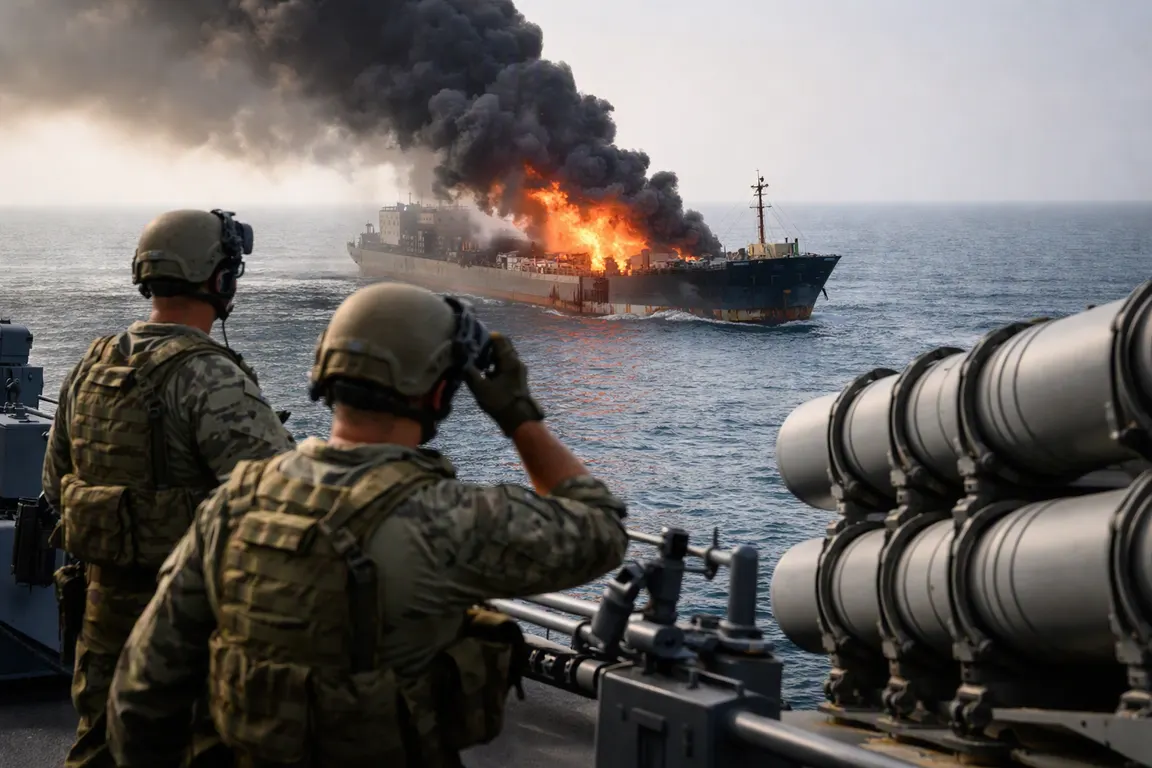
U.S. warships launched missiles that struck Iranian oil tankers in the Gulf of Oman near Kharg Island on Thursday, marking the first overt American attack on Iranian commercial vessels. The strikes were a direct response to two missile launches by Iran aimed at U.S. naval ships within the preceding three days.
U.S. officials said the missiles were aimed at tankers tied to the Islamic Revolutionary Guard Corps (IRGC). The exact number of vessels hit and the extent of damage have not been confirmed, and no casualties have been reported. A senior U.S. official, speaking to the New York Post, said the operation was intended to “turn the screws” on Tehran, signaling that missile threats would be met with tangible costs.
The missile launches that prompted the retaliation were described by the Wall Street Journal as showing “increased technical capability.” NBC News reported that the tanker strikes followed an attempted IRGC attack on at least one U.S. vessel operating in the region, linking the two events in a clear cause‑and‑effect chain.
The incident raises three immediate concerns. First, commercial shipping through the Strait of Hormuz and surrounding Gulf waters now faces heightened risk of collateral damage or accidental engagement, prompting operators to reassess routing and defensive measures. Second, regional economies that depend on uninterrupted oil transit could see disruptions, potentially pushing global oil prices higher as markets react to perceived supply insecurity. Third, U.S. service members aboard the targeted warships remain on elevated alert, with the prospect of further missile attempts or reciprocal actions looming.
Analysts caution that while the United States framed the tanker hits as a calibrated retaliation, the lack of transparent casualty data and the ambiguous scale of the attacks leave room for miscalculation. If Iran views the strikes as crossing a red line, it could respond with additional missile launches or asymmetric tactics against maritime assets, raising the probability of a broader confrontation. Conversely, the U.S. may use the episode to reinforce its deterrence posture, warning regional actors that missile threats will be met with force.
Oil markets have already reacted. Traders added a modest premium to crude prices, reflecting uncertainty over the stability of Gulf shipping routes. Sustained volatility could translate into higher fuel costs for consumers worldwide, especially if the conflict expands or insurance premiums for vessels in the area rise sharply.
The next step appears to be a diplomatic push by the United States to convey the limits of its retaliation while warning of further action if missile attacks continue. Officials have not detailed any additional punitive measures beyond the tanker strikes, leaving policymakers in Washington and Tehran to navigate a narrow corridor between escalation and de‑escalation. The coming days will determine whether the Gulf settles into a tense stalemate or slides toward a more extensive naval showdown.