

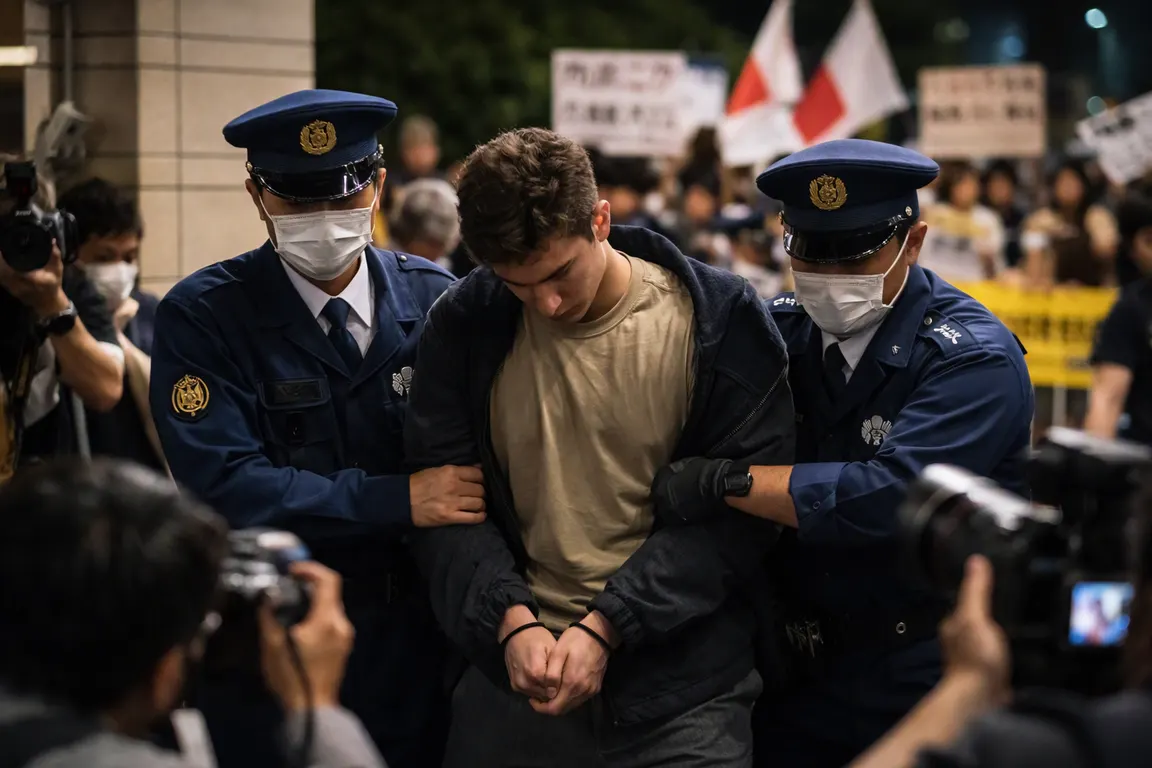
Japanese police arrested a 20‑year‑old U.S. Marine on murder and robbery charges after the body of 39‑year‑old Anna Yagi was found in a hotel room on Okinawa in late September. The arrest has sparked fresh protests in Okinawa and Tokyo and renewed diplomatic friction between Japan and the United States.
The case arrives amid growing public anxiety on the island, where a series of incidents involving U.S. service members have long fueled resentment. Japanese officials have lodged a formal protest with Washington, urging stricter enforcement of disciplinary protocols and a review of the Status‑of‑Forces Agreement (SOFA) that limits Japanese jurisdiction over American troops accused of serious crimes.
Yagi’s death was initially treated as a robbery gone wrong. Investigators quickly linked the crime to a Marine stationed at the nearby U.S. base, and the suspect was taken into custody in early October. He has denied the allegations and will be tried under Japanese criminal law, as required by SOFA.
Foreign Minister Yoko Kamikawa called for “swift and decisive” action to prevent future incidents, while U.S. Ambassador Rahm Emanuel reiterated America’s commitment to cooperate with Japanese law enforcement. Both sides stressed that the broader U.S.–Japan security partnership remains intact despite the controversy.
Local residents have taken to the streets in Okinawa and the capital, demanding accountability and a reassessment of the U.S. military footprint. Demonstrations have been largely peaceful but sizable, reflecting deep‑seated frustration that dates back decades.
The tourism sector, a cornerstone of Okinawa’s economy, is already feeling the impact. Hotel operators and travel agencies report a dip in bookings as visitors weigh safety concerns, and industry groups warn that a sustained perception of insecurity could depress arrivals for the rest of the year, affecting employment and local revenue.
Security analysts note that the incident comes at a sensitive moment for the alliance, which relies on roughly 50,000 U.S. troops stationed in Japan. Erosion of local support could complicate joint exercises and the strategic posture aimed at deterring regional threats.
The Marine’s case adds to a documented pattern of crimes involving U.S. personnel in Okinawa, ranging from assaults to property damage, that have periodically prompted calls for a reduction of the U.S. presence. While each incident is adjudicated individually, the cumulative effect shapes public opinion and influences policy debates in Tokyo.
Japanese prosecutors have indicated that the Marine will face trial under Japanese law, a step that could set a precedent for future cases involving SOFA. The next diplomatic engagement between the two nations is expected to address SOFA’s implementation and possible reforms, though officials have not outlined concrete changes.
The outcome of the trial and any subsequent policy adjustments will likely determine whether the current wave of protests subsides or intensifies, and will test the resilience of the security partnership that underpins regional stability.