

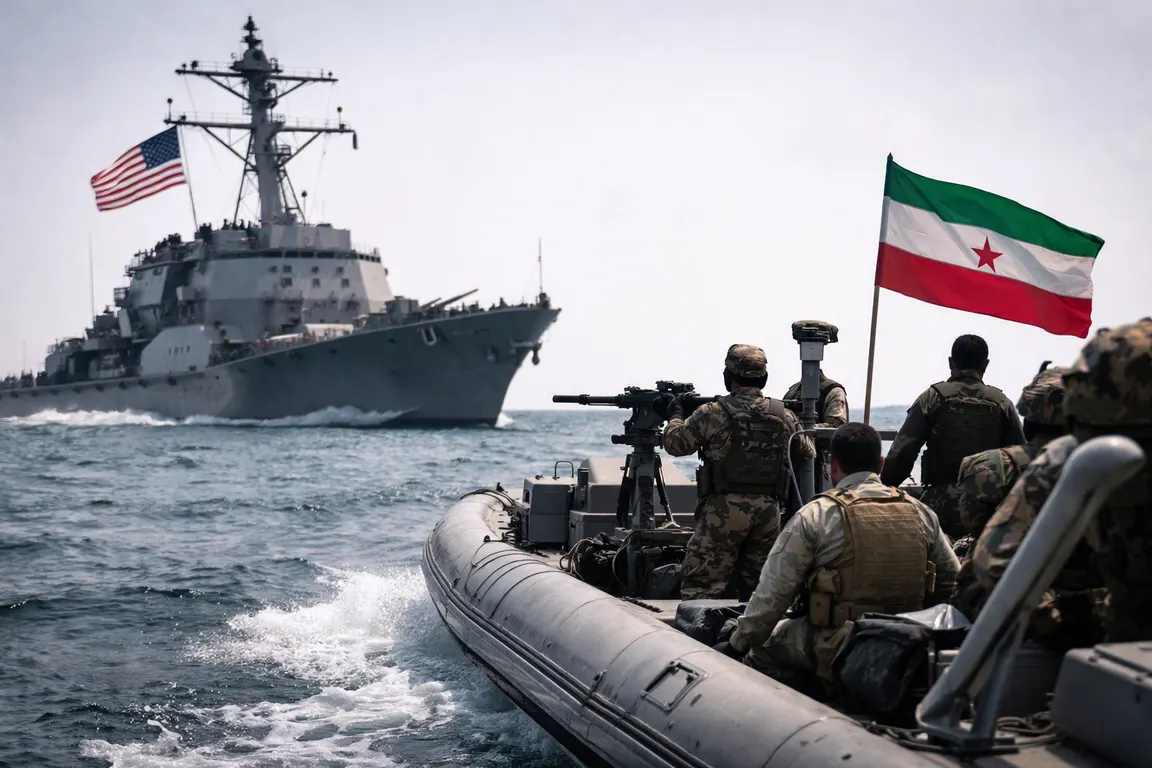
The recent escalation in US-Iran tensions has heightened concerns about global oil supplies and stability. The US revoked a waiver allowing Iran to sell oil globally, prompting Iran to threaten to close the Strait of Hormuz, a crucial shipping route. This move could disrupt global oil supplies and impact the economy.
The US launched strikes against over 80 targets in Iran, further straining relations between the two countries. As a result, Brent crude prices have risen above $78 a barrel, indicating a significant increase in global oil prices. The US and Iran had previously agreed to a ceasefire, but the recent escalation has put the agreement at risk.
The impact of US sanctions on Iranian oil sales is a major point of contention between the two countries. With 63 million barrels of Iranian oil currently stuck at sea, the situation is becoming increasingly dire. The chronology of events is marked by a ceasefire agreement on June 17, followed by the US revoking the waiver on July 7, and Iran's subsequent threat to close the Strait of Hormuz on July 8.
The escalation in tensions could lead to higher oil prices, disrupting global supply chains and impacting the economy. Consumers and businesses may face significant consequences, including increased costs and reduced access to oil. The situation is precarious, and the next step is uncertain. The US and Iran must navigate the complex web of sanctions, oil sales, and military actions to avoid further destabilization.
The Strait of Hormuz is a critical waterway, with nearly 20% of the world's oil passing through it. Any disruption to oil supplies could have far-reaching consequences for the global economy. The US and Iran must find a way to resolve their differences and avoid further escalation, which could lead to a significant increase in oil prices and instability in the region.