

The recent escalation in US-Iran tensions has raised concerns about the global oil market, with the International Energy Agency (IEA) warning that it could disrupt the expected oil market surplus for next year. This disruption could affect global oil prices and supply chains, making it a critical issue for the world economy.
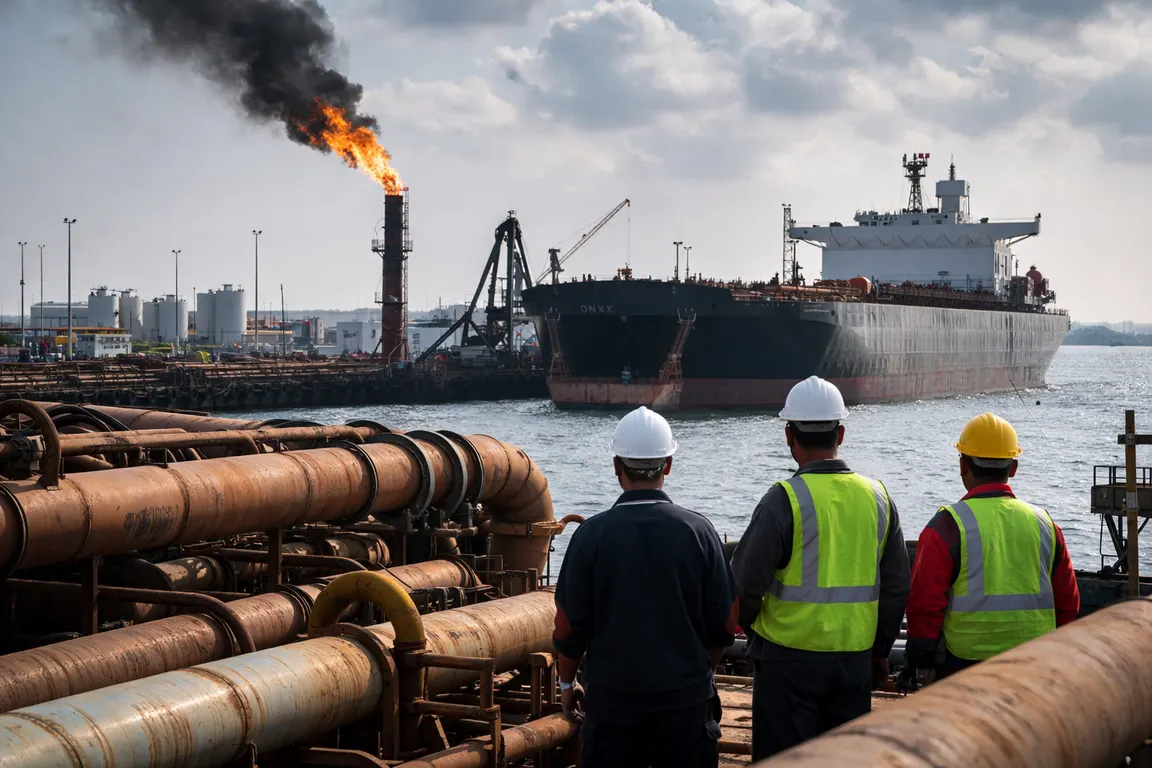
The IEA's forecast for an oil market surplus next year is contingent on a swift de-escalation of the hostilities. Global oil supply rebounded by 4.1 million barrels per day to 98.8 million barrels per day in June, but it remains about 9.4 million barrels per day below pre-war levels. The Strait of Hormuz has seen a decrease in tanker crossings, with insurers demanding higher premiums for ships passing through the region.
Qatar is mediating talks between the US and Iran to de-escalate the crisis, which began after the US and Iran signed a memorandum of understanding in mid-June. However, the ceasefire was breached on July 7-8, and hostilities escalated. The US and Iran announced a return to talks on July 10, with Qatar mediating the negotiations. The escalation in US-Iran hostilities could lead to higher oil prices, affecting consumers and the global economy.
The decrease in tanker crossings through the Strait of Hormuz could disrupt global oil supply chains. The conflict could also lead to a rise in insurance premiums for ships passing through the region, increasing costs for the shipping industry. As the US and Iran engage in a delicate dance of diplomacy and hostility, the global oil market hangs in the balance. The role of Qatar in mediating the talks is crucial, and the prospects for a peaceful resolution are uncertain.
The IEA's warning highlights the need for a swift resolution to the conflict to avoid disruptions to the global oil market. The US has affirmed its commitment to finding a solution with Iran despite the recent clashes, but the outcome of the talks remains uncertain. A peaceful resolution to the conflict is essential to stabilize the global oil market and prevent further disruptions to the world economy.