

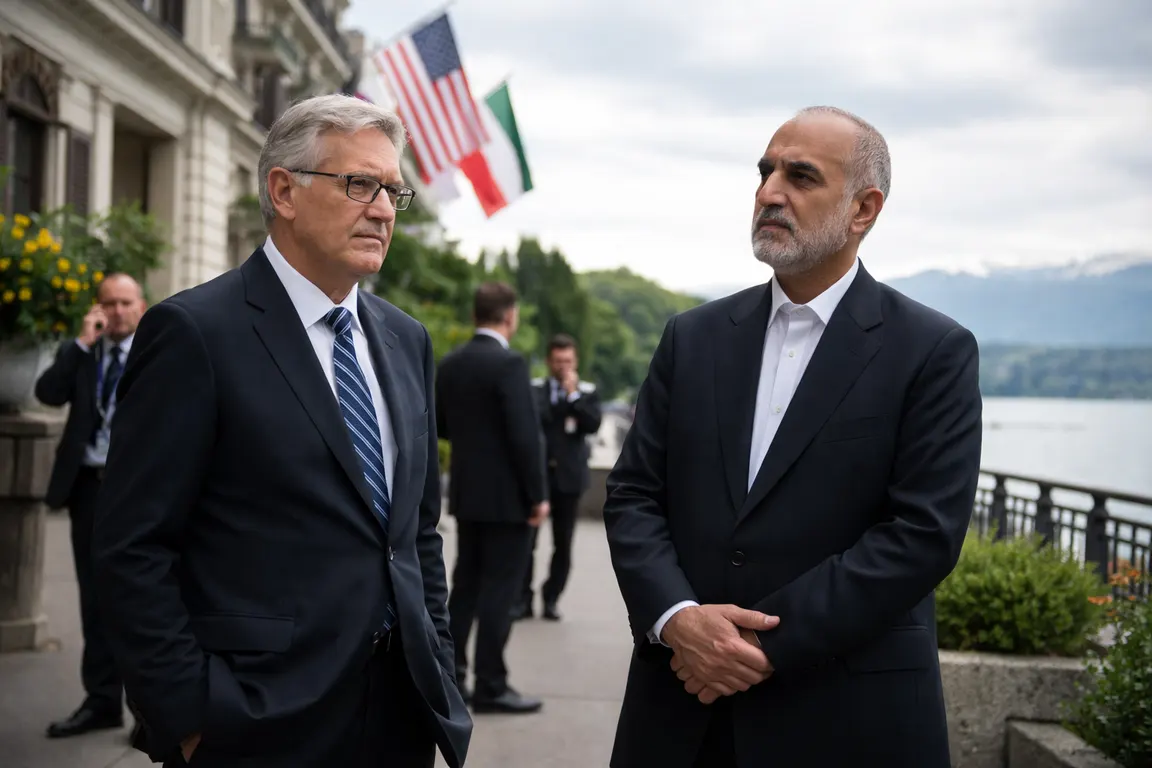
The scheduled US-Iran talks in Switzerland were postponed due to escalating violence between Israel and Hezbollah in Lebanon, where at least 18 people were killed in clashes and four Israeli soldiers died. The US-Iran talks were expected to address Iran's nuclear program and its implications for the region.
The postponement of these talks comes at a critical time, as a fragile ceasefire in Lebanon is on the brink of collapse, threatening to derail a potential peace deal and exacerbate regional tensions. A memorandum of understanding was signed, opening a 60-day window to negotiate a permanent understanding over Iran's nuclear program, which aims to get oil traffic moving through the Strait of Hormuz.
The conflict in Lebanon has significant implications for the people of Lebanon, Israel, and the broader region, who are affected by the conflict and the potential disruption to oil supplies. As the situation in Lebanon continues to deteriorate, the US, Iran, and other regional players must navigate the complex web of alliances and rivalries to find a path forward.
The next step for the US and Iran will be to reschedule the talks and find a way to address the underlying issues driving the conflict in Lebanon, with the goal of reaching a lasting peace agreement. The US and Iran must work together to find a solution that will bring stability to the region and prevent further escalation of the conflict.