

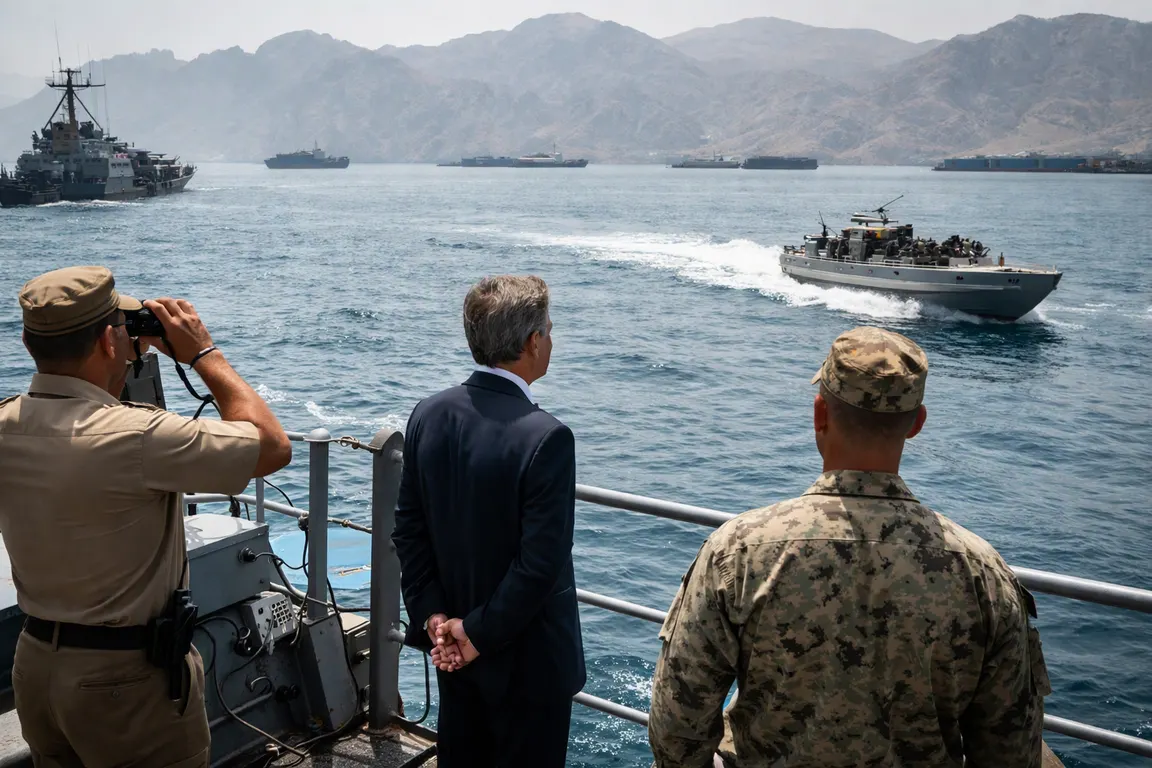
The United States and Iran are engaged in indirect talks through Oman to potentially reopen the Strait of Hormuz, a critical waterway for global oil trade. These negotiations could have significant implications for global oil prices, maritime safety, and regional stability. The Strait of Hormuz is a vital passage for international oil trade, with nearly 20% of the world's oil passing through it.
The US has imposed economic sanctions on Iran, affecting its oil exports, and Iran's foreign ministry has confirmed discussions with Oman on managing traffic through the Strait of Hormuz. The talks come after the US expressed a desire to reach a new nuclear agreement with Iran. Oman is facilitating these indirect talks, which are seen as a critical juncture in the standoff over the Strait of Hormuz.
The US and Iran have a history of tensions, including over naval blockades and nuclear programs. The current indirect talks through Oman are an attempt to address some of these issues and potentially ease tensions in the region. The outcome and specifics of the talks are unclear, with details on the exact terms and conditions being discussed not publicly available.
The potential reopening of the Strait of Hormuz could impact global oil prices, affecting consumers and economies worldwide. Maritime safety and regional stability are also at stake. The sequence of events includes the US imposing economic sanctions on Iran, Iran responding with actions in the Strait of Hormuz, and the current indirect talks through Oman.
As global oil markets watch, the indirect talks represent a significant development in the US-Iran standoff. The talks' outcome will determine the next steps in the standoff, with the world waiting to see if a deal can be reached to reopen the Strait of Hormuz. Oman's role in facilitating these negotiations has implications for regional stability, and the success of the talks could have far-reaching consequences for the global economy.