

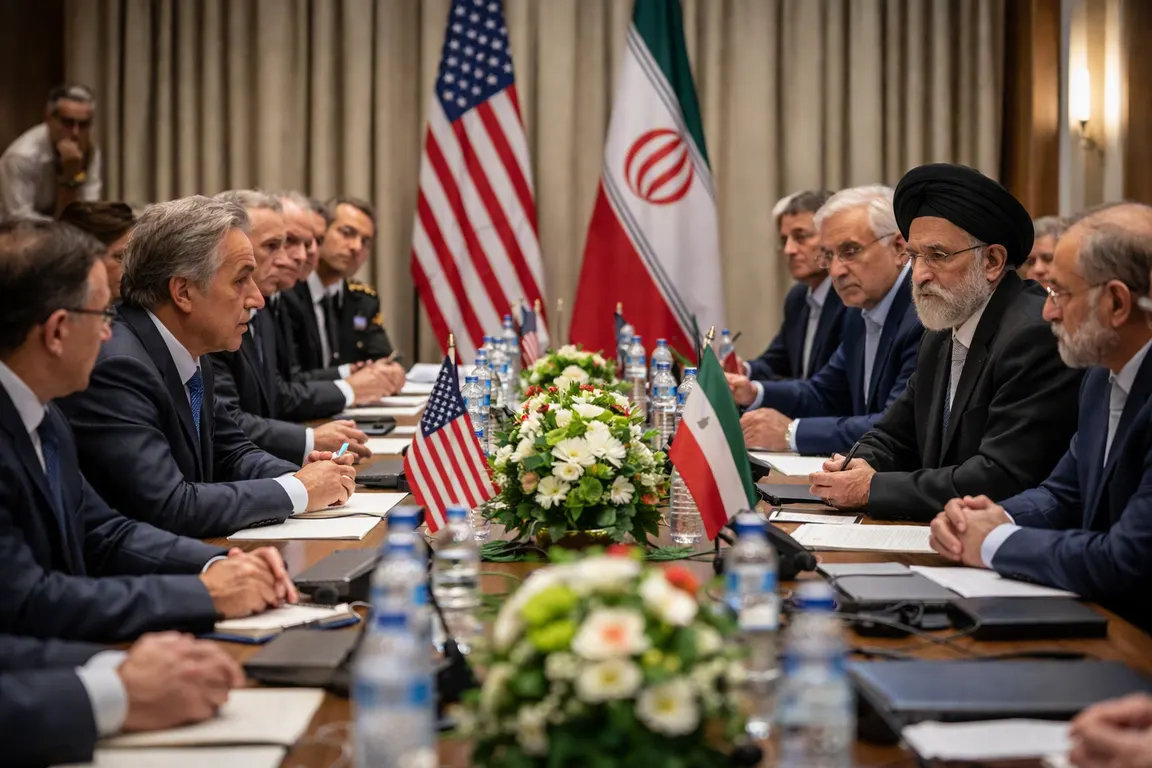
The US and Iran are engaged in negotiations over the Strait of Hormuz, a critical oil corridor. The US is pushing for a deal to reopen the waterway, while Iran insists on retaining control. The talks have significant implications for global oil markets and regional security, as a deal could alleviate tensions and prevent further conflict.
The conflict has been ongoing since February 28, with periods of relative calm punctuated by outbreaks of violence. A previous ceasefire deal fell through last month, and the US has threatened to take action if a deal is not reached. The US has imposed a blockade on Iranian ports, and Iran has responded by restricting access to the Strait of Hormuz.
The US is seeking a deal that includes the denuclearization of Iran, while Iran has insisted on retaining control of the Strait and charging fees for passage. The timeline for a potential deal is unclear, with the US President stating that it could happen soon but also acknowledging that denuclearization could take time.
The conflict has significant implications for global oil markets, with the closure of the Strait of Hormuz potentially leading to higher oil prices and economic disruption. The humanitarian implications of the conflict are also significant, with the potential for further violence and instability in the region.
As the negotiations continue, the international community is watching closely, with many wondering what the key terms of a potential deal will be and how likely it is that an agreement will be reached. The fate of the Strait of Hormuz and the global oil market hangs in the balance, and a deal could have far-reaching consequences for the region and the world.