

U.S. Expands Iran Sanctions as China Boosts CIPS for Oil
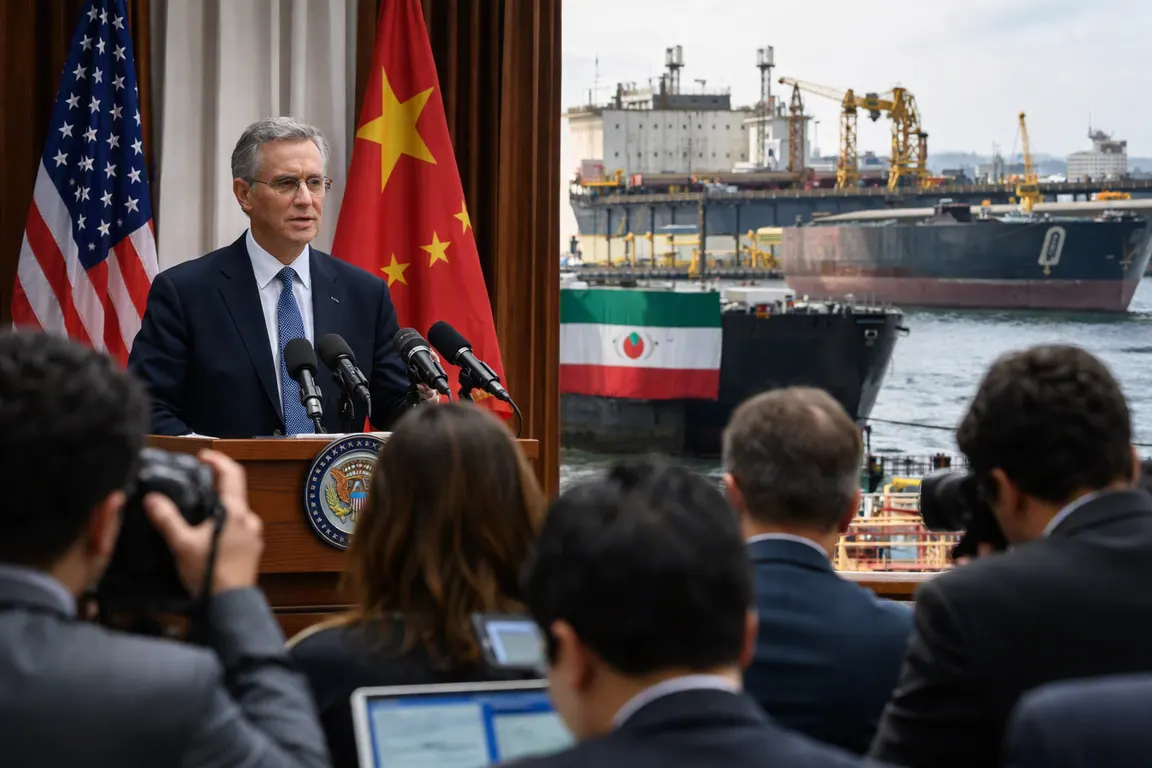
Washington announced new secondary sanctions aimed at Iran’s oil trade, warning that any Chinese bank that helps Tehran evade the U.S. financial system could face penalties. The move is part of the broader U.S. Iran sanctions China CIPS strategy, and Beijing responded by pledging “all necessary measures” to protect its interests and by accelerating use of its Cross‑Border Interbank Payment System (CIPS), a non‑SWIFT alternative.
The sanctions, unveiled in early 2024, broaden the list of entities that can be penalized for dealing with Iran. While the United States stopped short of naming China directly, officials said any Chinese financial institution that facilitates Iran’s access to U.S. dollars would be subject to secondary measures. China’s foreign ministry called the sanctions “illegal” and said it would defend its national interests.
China purchases roughly 80 percent of Iran’s crude, according to The Guardian, making the country Iran’s biggest source of oil revenue. By promoting CIPS as a conduit for “sanction‑risky” transactions, Beijing is testing the limits of U.S. financial pressure. The extent to which CIPS already processes Iran‑related payments is disputed, but Chinese authorities present the network as a ready alternative to SWIFT.
The practical impact is already evident. Iranian oil revenues remain buoyed by Chinese purchases, sustaining Tehran’s fiscal base despite U.S. attempts to choke the flow of dollars. For China, the steady supply of discounted crude supports its energy security and reduces reliance on the U.S. dollar in other sectors. Analysts warn that if Chinese demand offsets the intended squeeze, global oil prices could stay elevated, affecting energy‑intensive economies worldwide.
Multinational firms face heightened compliance risk. Companies that continue to trade with Iran risk secondary sanctions that could cut them off from the U.S. financial system, a threat that extends to banks, insurers and logistics providers in third‑party jurisdictions. Many firms are revising compliance programs to flag Iran‑related transactions and to screen counterparties against the expanding sanctions list.
The broader implication is a possible recalibration of the sanctions regime. If China successfully routes Iran’s oil payments through CIPS or other mechanisms, U.S. leverage could diminish, prompting a reassessment of how secondary sanctions are applied. At the same time, the absence of a direct sanction on China suggests Washington is wary of provoking a larger geopolitical confrontation.
The next few months are likely to see a diplomatic showdown. U.S. Treasury officials are expected to tighten enforcement against banks that facilitate Iran trade, while Chinese regulators may issue formal guidance on using CIPS for sanctioned partners. How the two powers navigate the clash will determine whether China’s financial hedge reshapes the sanctions landscape or remains a temporary workaround.