

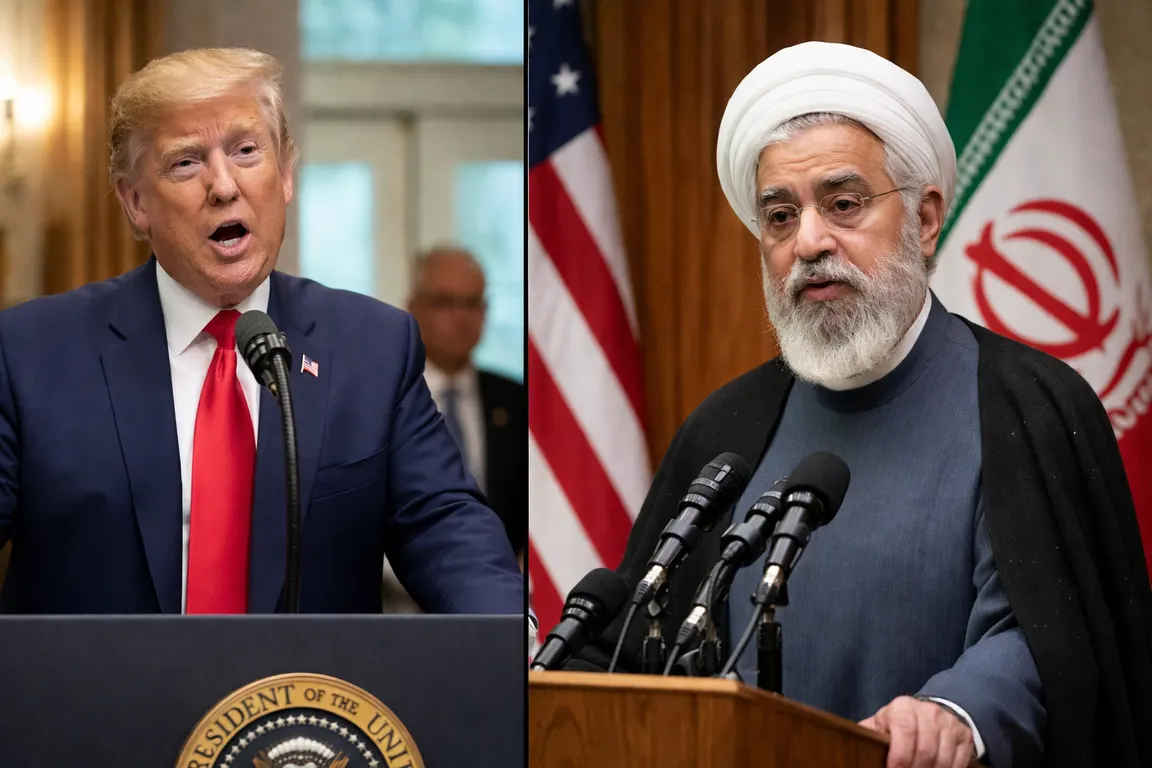
The United States and Iran have presented conflicting claims about the terms of nuclear inspections, raising concerns about the prospects of a lasting peace deal. President Trump stated that Iran agreed to the 'highest level' of inspections, but an Iranian official countered that there were 'no detailed discussions on the nuclear issue.' This discrepancy has created uncertainty about the progress of US Iran nuclear talks between the two nations.
The lack of clarity on the details of the discussions and agreements has significant implications for global security, the economy, and regional stability. Vice President JD Vance discussed a potential ceasefire monitoring body with Lebanon's president, while Oman and Iran plan to form a team to reach an agreement on navigation in the Strait of Hormuz. The US granted Iran a 60-day waiver for US sanctions, allowing them to sell oil freely.
Iran's Foreign Ministry denied plans for International Atomic Energy Agency (IAEA) inspections of its damaged nuclear facilities, further fueling the conflicting claims over nuclear inspections. As the US and Iran navigate these complex negotiations, the international community waits to see how the conflicting claims will be resolved. The next step will be crucial, as the US and Iran must find a way to reconcile their differences and move forward with a potential agreement.
The US and Iran have been engaged in peace talks, but the outcome remains uncertain. The conflicting accounts of nuclear discussions between the two nations have raised questions about the potential consequences for global security and the economy. The situation is being closely monitored by the international community, which is eager to see a peaceful resolution to the conflict. The US and Iran must work to find common ground and address the discrepancies in their claims to move forward with a potential agreement.