

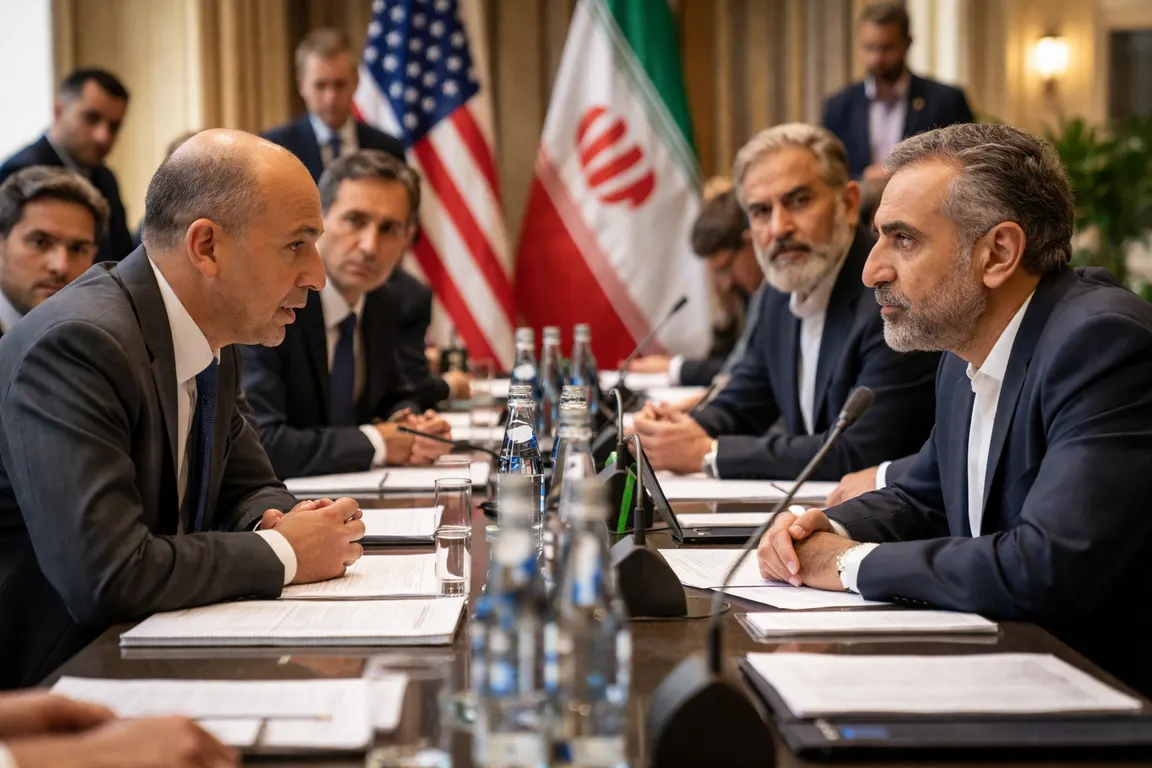
The United States and Iran are locked in a dispute over nuclear inspections and the Strait of Hormuz, a critical waterway for global oil and gas trade, as part of the ongoing US Iran talks. This disagreement threatens to derail the fragile peace process between the two nations. The US and Iran are engaged in diplomatic talks to end the conflict in the Middle East, with Pakistan and Qatar serving as mediators. These talks are taking place in Switzerland, where the US has temporarily lifted sanctions on Iran to allow it to produce and sell crude oil.
The US claims that Iran has agreed to 'highest level' nuclear inspections, but Iran's Foreign Ministry denies this, stating that there are no plans to allow IAEA inspectors to visit nuclear sites bombed by the US and Israel. The extent of the damage to Iran's nuclear facilities is unknown, and the details of the US-Iran agreement on the Strait of Hormuz are not fully clear. The global economy, oil and gas markets, and the people of Iran and the Middle East will be affected by the dispute.
The US has agreed to release $12 billion in frozen funds to Iran, which may affect the country's economy. However, the terms of the US-Iran agreement on nuclear inspections remain unclear. Pakistan and Qatar will play a key role in mediating the US-Iran talks, but the outcome is uncertain. US Secretary of State Marco Rubio is visiting Gulf allies, while Iran's leader is visiting Pakistan, as part of the diplomatic efforts to resolve the conflict.
The next step in the US-Iran diplomatic talks is crucial, as the dispute over the Strait of Hormuz may impact the flow of oil and gas, leading to economic instability. The US and Iran signed a memorandum of understanding to end the war in the Middle East, and the first round of talks took place in Switzerland. The US and Iran must find a resolution to their differences to avoid derailing the peace process and to ensure the stability of the global economy.