

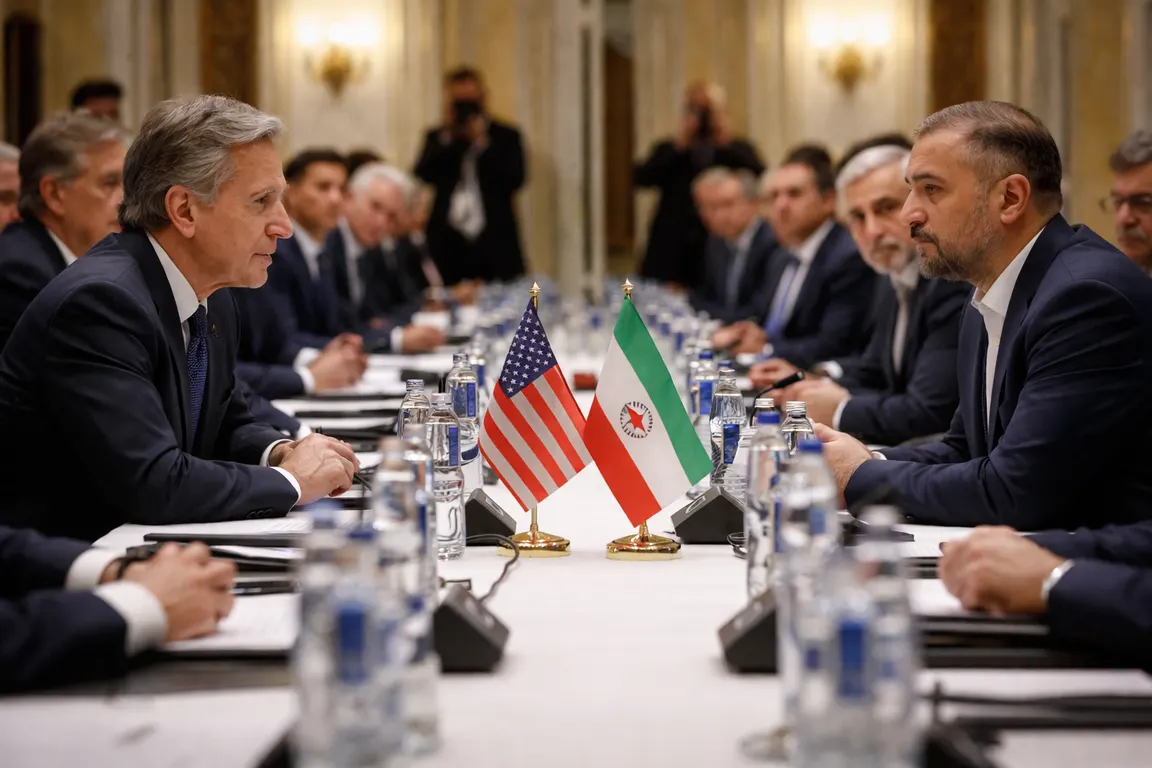
The United States and Iran are reportedly close to reaching a deal to revive a failed nuclear agreement, which could lead to a reduction in oil prices and have a positive impact on the global economy. A potential US Iran deal could ease tensions in the Middle East and directly affect the global oil market. Mediators believe the US and Iran are nearing an agreement to resurrect the failed accord.
As part of the proposed deal, Iran and Oman have signed off on a plan to manage the Strait of Hormuz with a joint regional mechanism that includes 'voluntary fees'. The US has paused strikes on Iran, and oil prices have continued to decline.
The management plan for the Strait of Hormuz involves fee collection and is backed by the Gulf states. However, there is uncertainty and disagreement among sources regarding the progress of the talks and the likelihood of a deal.
The potential agreement could lead to lower oil prices, which would have a positive impact on the global economy and consumers. Oman's Foreign Minister has held phone calls with counterparts from Iran, Saudi Arabia, Qatar, Kuwait, and Egypt to discuss efforts to reduce tensions.
The next step in the diplomatic talks between the US and Iran will be crucial in determining the outcome of the potential deal. The key terms of the proposed agreement and the structure of the Strait of Hormuz management plan are still unclear.
As the situation develops, the global oil market and prices will likely be closely watched for any signs of change. A deal between the US and Iran could have significant implications for the global economy and the Middle East region.