

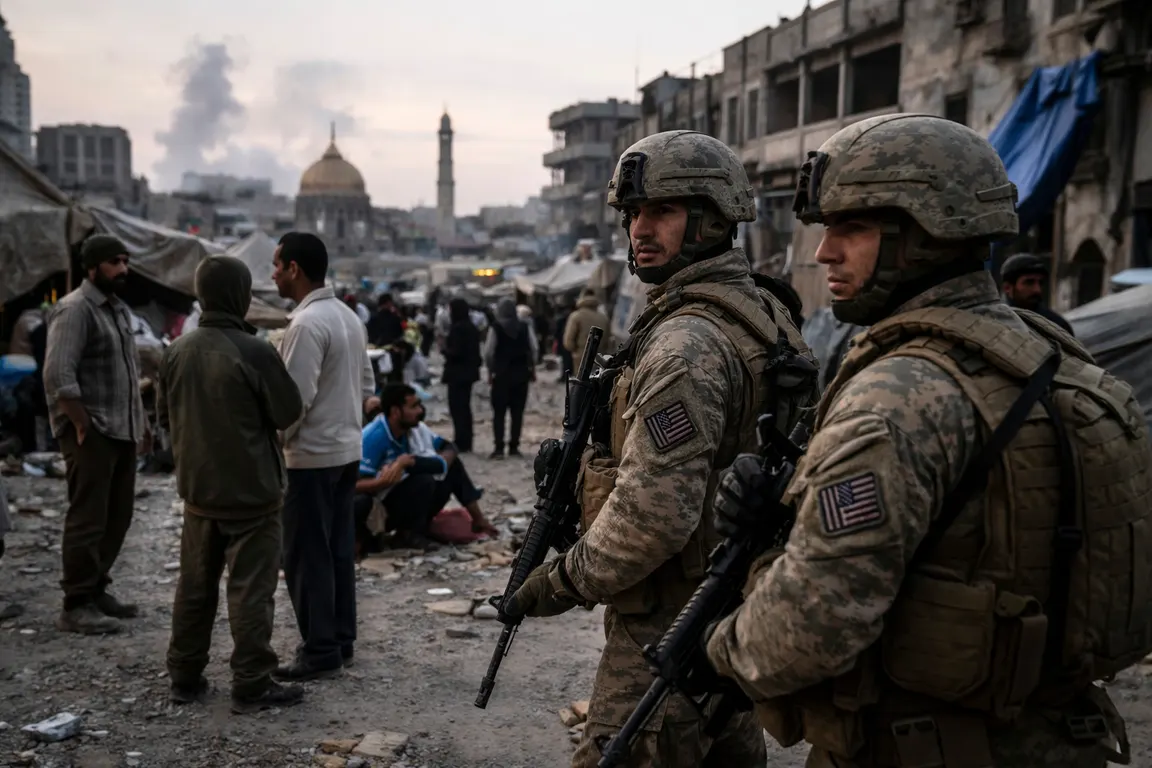
The US and Iran have not launched attacks for two consecutive nights, following nearly two weeks of tit-for-tat attacks in the US Iran conflict. This temporary halt in hostilities has raised hopes for a return to diplomatic negotiations, potentially preventing further escalation and harm to civilians and regional stability.
The pause in strikes comes after US military officials advised President Trump to halt the bombing campaign due to dwindling air defense stocks and limited effectiveness. The conflict between the US and Iran has been ongoing for nearly five months, with significant impacts on the economy and infrastructure, particularly in terms of oil shipments through the Strait of Hormuz.
Tanker traffic through the Strait of Hormuz has significantly decreased, with only two transits recorded on Friday. The US has held off on a major military campaign that could have lasted two weeks. Israeli Prime Minister Benjamin Netanyahu is scheduled to visit the White House, where he is expected to discuss the conflict with President Trump.
The key factors contributing to the pause in strikes are unclear, with sources suggesting both diplomatic efforts and military considerations may be at play. The potential consequences of a failure to negotiate a lasting peace between the US and Iran are significant, with the risk of further escalation and harm to civilians and regional stability.
The recent hostilities have already affected regional trade and commerce, particularly in terms of oil shipments. Dwindling air defense stocks and limited military effectiveness have played a role in the US decision to pause strikes. As the US and Iran observe a temporary ceasefire, the international community is watching to see whether this pause will lead to a lasting reduction in tensions and a return to diplomatic negotiations.
The next step will be to see how the visit of Israeli Prime Minister Benjamin Netanyahu to the White House impacts the conflict and whether diplomatic talks can lead to a lasting peace. The US and Iran must navigate complex diplomatic and military considerations to achieve a lasting resolution, with the goal of preventing further harm to civilians and regional stability.