

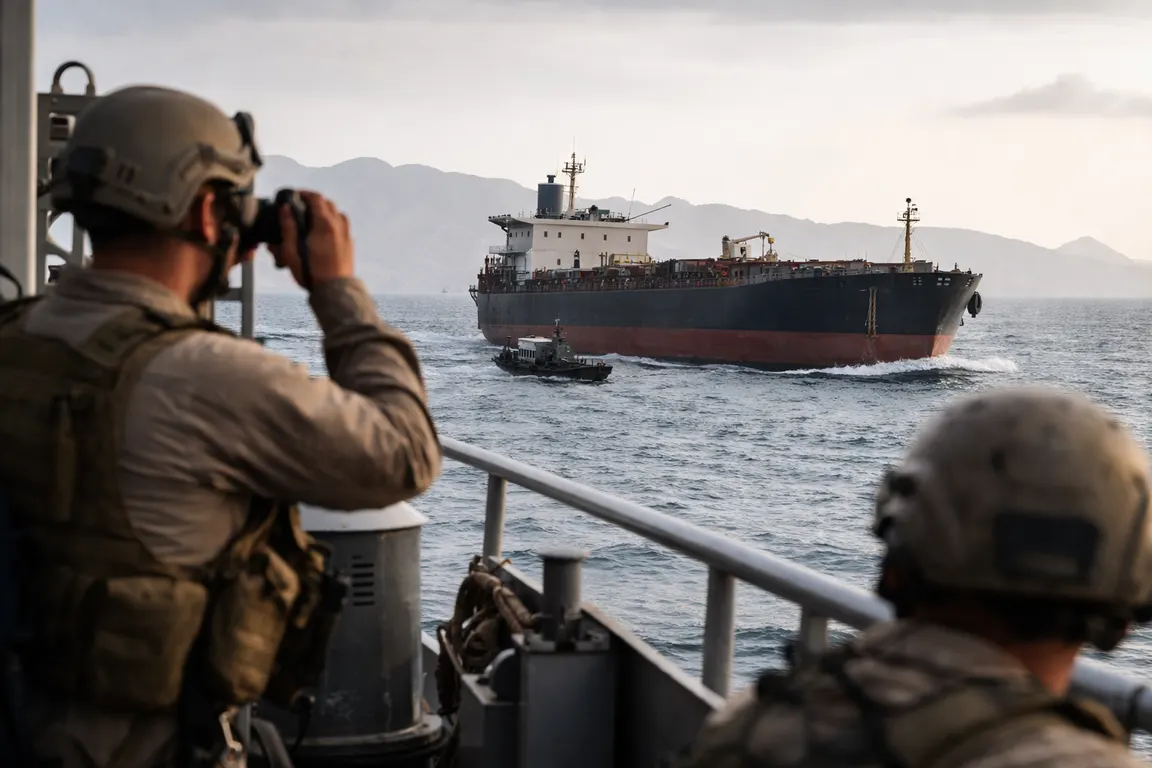
The US-Iran conflict has escalated, causing uncertainty in global oil markets. The US has resumed its naval blockade of Iranian ports in the Strait of Hormuz, while Iran has responded with attacks on ships and threats to close the Strait. This escalation is driving up oil prices, with Brent crude currently trading at around $85 a barrel.
The conflict began with attacks on ships in the Strait of Hormuz, prompting the US to respond with airstrikes against Iran, targeting military sites and infrastructure. Iran has continued to respond with attacks and threats, raising concerns about global oil supplies and the potential for further escalation. Despite the US hitting a record high in crude production, the US-Iran conflict is still impacting oil prices.
The US Federal Reserve is closely monitoring the situation, considering potential implications for interest rates and the economy. The conflict is affecting global oil markets, with potential implications for consumers and businesses. It is also having a humanitarian impact, with potential consequences for people in the region. As the conflict continues, the potential implications for global oil markets and the economy are becoming increasingly clear.
The situation remains uncertain, with different sources providing varying estimates of the impact of the conflict on oil prices and the economy. The potential risks and consequences of further escalation in the conflict are a concern, with the situation remaining uncertain and the potential for further violence high. The US Federal Reserve's next move is being closely watched, as the global community waits to see how the conflict will unfold and what the ultimate impact will be on the economy and public safety.