

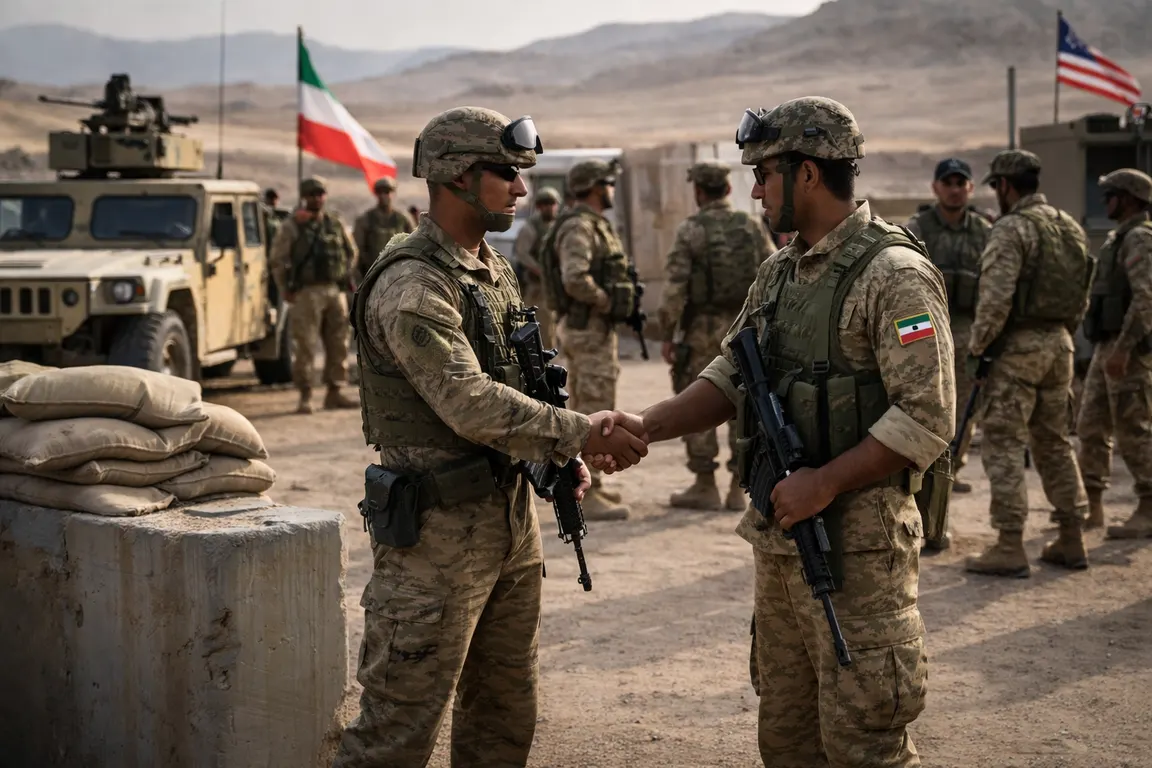
A fragile ceasefire has taken hold in the US-Iran conflict, with both sides giving diplomacy a chance through regional mediators. This development matters now because it potentially eases tensions in the Gulf and global oil markets.
The US and Iran have paused strikes for the third day, with mediators from Qatar and Pakistan working to restart ceasefire talks. Iran has halted retaliatory attacks against Washington's allies in the Middle East. US Ambassador to the United Nations Mike Waltz said the US would give negotiations 'a little bit of room'.
Oil prices have fallen as investors react to the pause in combat. The conflict began over four months ago, with the US and Iran engaging in a series of strikes and counter-strikes. There is uncertainty over the reasons behind the pause in combat, with some reports suggesting it may be due to pressure on US stockpiles of defensive weapons, which the US has denied.
The conflict has affected global oil markets and had an impact on the people of the Middle East, particularly in Yemen where the conflict has spread to a new front. Israel's Prime Minister Benjamin Netanyahu is due to meet with US President Donald Trump to discuss the situation. The involvement of regional mediators, such as Qatar and Pakistan, may impact the diplomatic efforts, but the key issues that need to be addressed for a lasting peace to be achieved are still unclear.
As the international community waits to see if diplomatic efforts can lead to a lasting peace, the potential consequences of the conflict escalating again could have a significant impact on the global economy and regional stability. The next step will be to see if the fragile ceasefire can hold and if diplomatic efforts can lead to a lasting resolution. For now, the pause in combat offers a glimmer of hope for a region that has been plagued by violence and instability.