

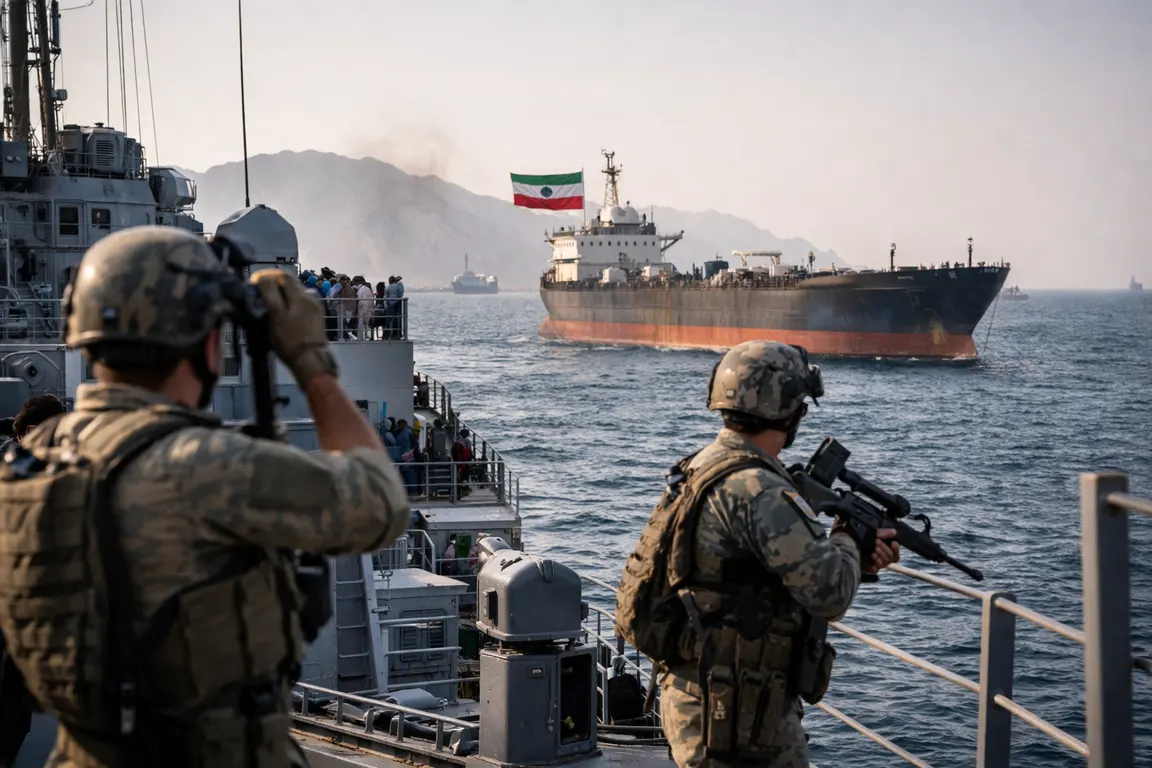
The US has reinstated a blockade on Iran and plans to impose a 20% charge on cargo passing through the Strait of Hormuz, a critical waterway for international trade. This move could significantly impact global oil prices, shipping costs, and the economy.
The Strait of Hormuz is a vital waterway, with nearly a fifth of the world's oil supply passing through it. According to reports, the blockade and toll could generate nearly $200 billion annually.
The US military's Central Command claims to control the Strait of Hormuz, but Iran's Revolutionary Guard rejects this claim, leading to uncertainty over the impact of the blockade and toll. The US and Iran disagree on whether the Strait of Hormuz is open to ship traffic, with the US claiming it will keep the waterway open and Iran arguing that the US does not have the capability to do so.
Brent oil prices jumped over 9% after the announcement, the biggest daily gain since 2020. The details of how the 20% charge will be implemented and enforced are still unclear, adding to the uncertainty.
The blockade and toll will affect global oil prices, shipping companies, and countries that rely on the Strait of Hormuz for trade, potentially leading to increased costs, disruptions to trade, and economic instability. Many countries rely on the Strait of Hormuz for their oil imports, and the international community's response to the US move will be closely watched.
The US will need to clarify how it plans to enforce the 20% charge and ensure that the blockade does not disrupt global trade. The next steps in this developing situation will be critical in determining the impact on the global economy and international trade.