

U.S. evacuates embassy staff from Saudi Arabia over Houthi
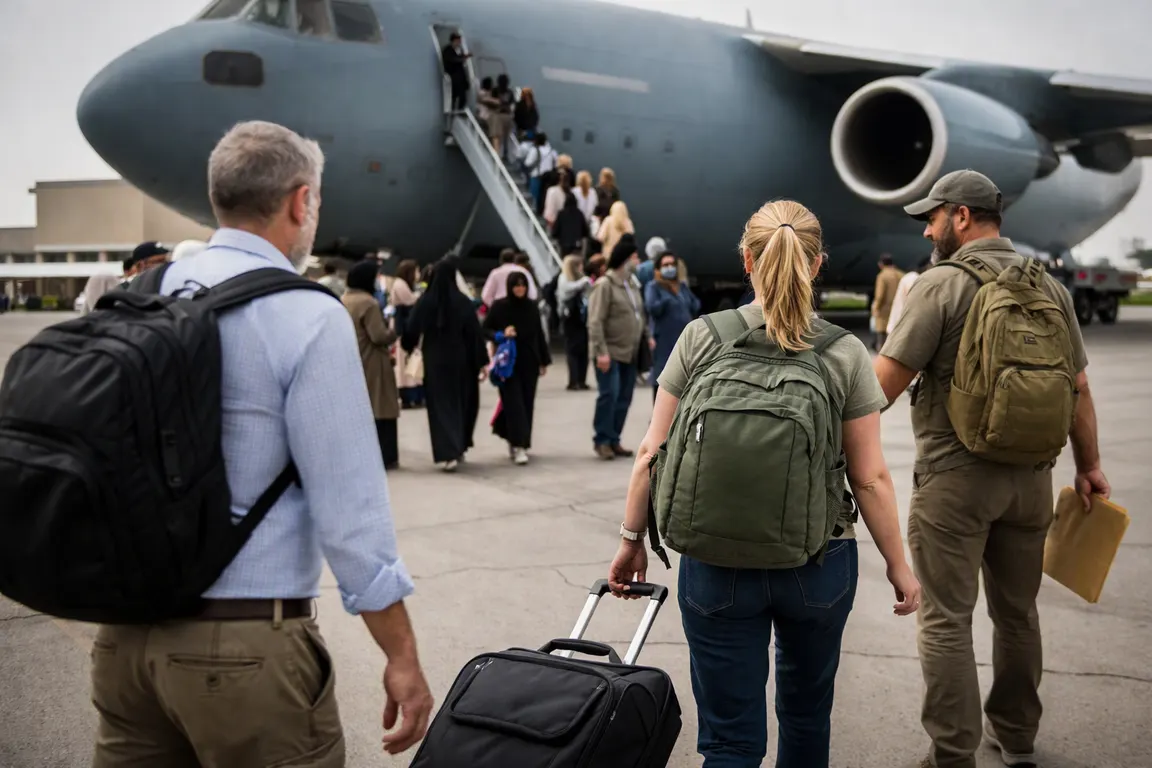
The U.S. embassy staff evacuation Saudi Arabia was ordered on Wednesday as the State Department cited an escalating Houthi threat to civilian infrastructure. Non‑essential diplomatic personnel and their families were instructed to leave, while core embassy functions remain in place.
The directive follows a series of near‑daily strikes that have killed civilians at Riyadh’s King Khalid International Airport, Dammam airport and the Shaybah oil field. A missile hit Riyadh airport, killing one passenger; a separate strike at Dammam airport caused one death and eight injuries. At the remote Shaybah field, debris from an intercepted drone struck a worksite, killing a Filipino and a Nepali laborer and wounding two others, according to Saudi officials.
State Department spokesperson Tommy Pigott said the safety of department personnel and their families remains the highest priority. The evacuation applies only to Saudi Arabia, but Manila Times reports that families of U.S. staff are also being withdrawn from the United Arab Emirates, Jordan, Qatar and Bahrain, while embassy employees remain on duty in those capitals. Exact numbers of evacuees have not been disclosed.
The Houthi movement, which receives support from Iran, has intensified its campaign since the four‑year Yemen truce collapsed in June 2024. The group has been targeting Saudi energy and transport nodes to pressure the kingdom and signal Tehran’s ability to project power beyond Yemen.
The pull‑out reduces the United States’ diplomatic capacity in Riyadh, potentially limiting consular assistance for American citizens and curtailing on‑the‑ground coordination with Saudi authorities on security and economic matters. Saudi officials have not publicly commented on the evacuation, but the loss of U.S. staff may complicate real‑time information sharing as attacks continue to disrupt airport operations and oil production.
Shaybah accounts for a modest but strategically important share of Saudi crude output; any sustained interruption could reverberate through global oil markets, which are already sensitive to Middle‑East supply shocks. Analysts note that the heightened threat reflects a broader pattern of Houthi strikes aimed at undermining Saudi economic resilience.
While the United States has not identified the specific drone that hit Shaybah, officials repeatedly described the attacks as "Iran‑supported." The ambiguity leaves policymakers balancing diplomatic engagement with deterrence.
The State Department said it will continue to monitor the security environment and will reassess staffing levels once the threat level stabilises, leaving open the question of when a full diplomatic presence can be restored.