

U.S. Envoys Ukraine Russia Talks as Fighting Continues
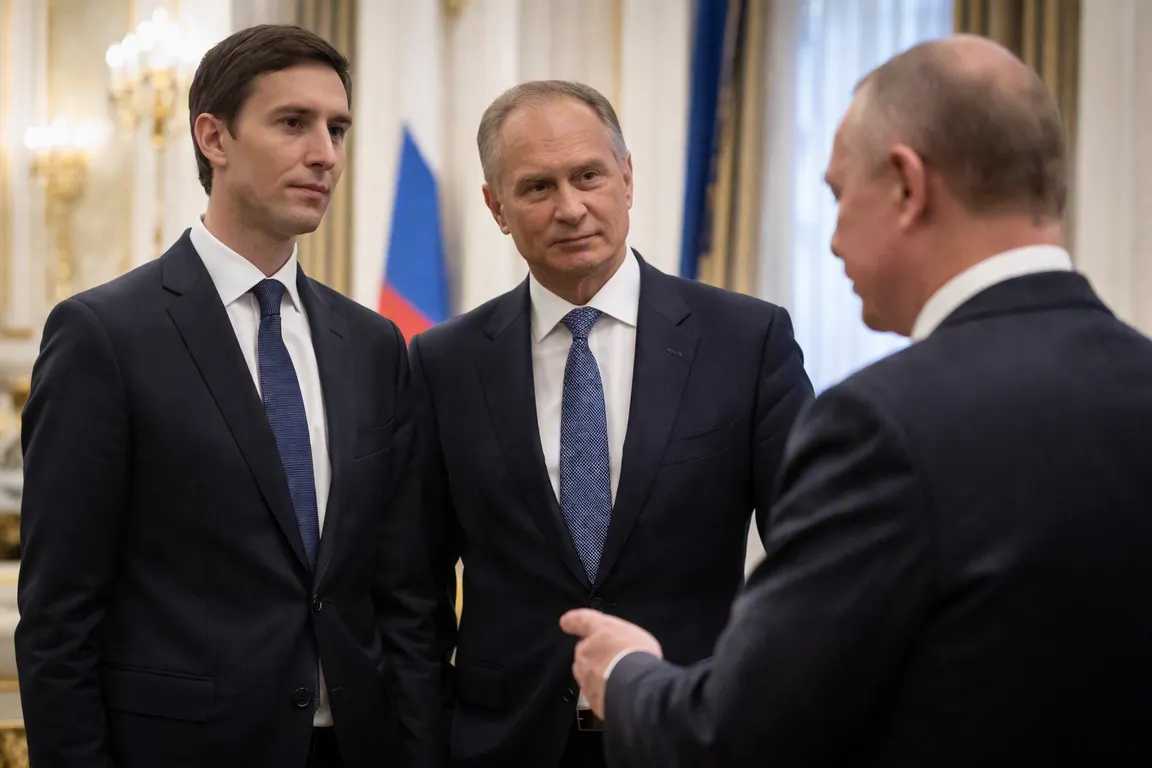
Former White House adviser Jared Kushner and real‑estate investor Steve Witkoff arrived in Moscow on Saturday, May 18, for a private audience with President Vladimir Putin. Their visit marked the first high‑level U.S. contact with Moscow since diplomatic talks stalled earlier this year and began the U.S. envoys Ukraine Russia talks that continued in Kyiv the next day.
After leaving the Kremlin later that day, the duo flew to Kyiv on Sunday to meet President Volodymyr Zelensky. The back‑to‑back visits were the first senior U.S. contacts with both capitals in months, drawing immediate attention as artillery exchanges along the front lines continued unabated.
Washington’s decision to engage both sides in a single weekend underscored a diplomatic gamble aimed at exploring possible pathways toward a cease‑fire and a broader peace framework, according to U.S. officials. Both capitals deliberately avoided direct strikes during the envoys’ visits.
Kushner told the New York Post he felt “really good” about the talks, while the Wall Street Journal and Al Jazeera reported that the envoys described the Kyiv meeting as “very meaningful” and “substantive.” Zelensky’s office called the discussion “optimistic” and “a step toward constructive dialogue.” No concrete policy proposals or cease‑fire terms were announced, and the parties left without a written agreement.
The contrast between the upbeat remarks and conditions on the ground is stark. Fighting persisted across the Donbas and southern sectors, with artillery shells landing within a few kilometres of civilian population centers. The BBC noted that fundamental differences remain over the status of occupied territories, security guarantees and any timeline for troop withdrawals.
For civilians in contested areas, the ongoing combat means a persistent threat of shelling, displacement and disruption to essential services. In Ukrainian towns under fire, schools and hospitals report regular interruptions, while Russian residents near the western border watch the diplomatic overtures with cautious hope that a de‑escalation could reduce air‑raid alerts. Regional energy markets have remained sensitive, with prices reacting to any hint of a shift in combat intensity.
The envoys’ itinerary reflects a broader U.S. strategy that pairs military assistance with behind‑the‑scenes engagement. By sending senior, privately‑connected figures, Washington signals a willingness to explore informal pathways that official channels have struggled to open. State Department spokespeople said follow‑up discussions with both Kyiv and Moscow are planned in the coming weeks, though no timeline for a formal peace framework was provided.
As the weekend’s symbolism fades, the key question remains whether the talks will translate into actionable concessions or remain a diplomatic footnote amid a war that shows no sign of abating.