

U.S. Envoys Arrive as Russia Announces Kyiv Cease‑Fire
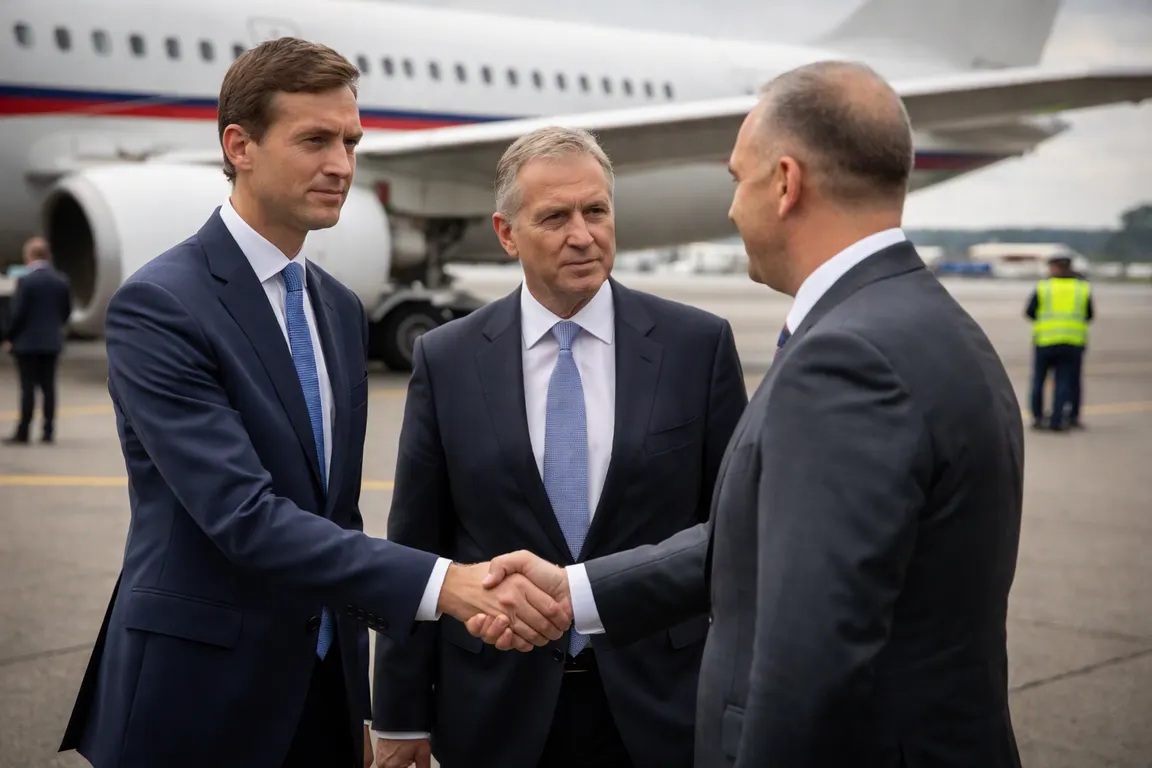
Two senior U.S. officials touched down at Moscow’s Vnukovo Airport on Saturday, September 5, and were received by Kremlin envoy Kirill Dmitriev. Real‑estate investor Steve Witkoff, serving as a special envoy, and former White House adviser Jared Kushner are the first American representatives to meet Russian leadership since the war began. Their arrival coincided with a Kremlin announcement of a three‑day Russia Kyiv ceasefire, beginning at midnight on September 5.
The brief lull offers a rare window for humanitarian aid and could ease pressure on civilians who have endured daily sirens and damage. Witkoff and Kushner are slated to meet President Vladimir Putin at the Kremlin later Saturday before traveling to Kyiv on Sunday for talks with President Volodymyr Zelenskyy. Kremlin spokesman Dmitry Peskov said the agenda will focus on confirming the cease‑fire, coordinating aid deliveries, and discussing a framework for a broader settlement. Russia’s pre‑condition remains unchanged: Ukraine must cede four occupied regions and renounce any future NATO membership. Kyiv has repeatedly rejected those terms as non‑negotiable.
The three‑day pause lacks an independent verification mechanism. Enforcement will rely on Russian military orders and Ukrainian monitoring, with no third‑party observers invited. Past localized truces have collapsed within hours, raising doubts about the durability of this pause. Nonetheless, residents of Kyiv report a noticeable drop in siren alerts and damage reports during the lull.
The diplomatic overture follows a CIA‑led visit by Director John Ratcliffe eleven days earlier, during which a trilateral summit involving the United States, Russia and Ukraine was discussed but never formalized. Analysts note that expectations for a breakthrough remain low, citing Russia’s “no new ideas” stance and the absence of a clear path to compromise.
Beyond the political calculations, the talks have tangible market implications. Intensifying attacks in the Black Sea have already disrupted grain shipments, heightening the risk of a food crisis for nations dependent on Ukrainian exports. Simultaneously, Ukrainian strikes on Russian energy infrastructure and recent disruptions to refined‑product flows through the Persian Gulf have added volatility to oil and gasoline prices. A sustained cease‑fire could ease shipping routes and stabilize commodity markets, but uncertainty surrounding the negotiations keeps traders cautious.
The next steps are clear: Witkoff and Kushner will meet Putin on Saturday, travel to Kyiv on Sunday, and return to Washington with a report on the feasibility of a longer‑term pause or a formal negotiation framework. Observers will watch for any concrete concessions from either side and for signs that the three‑day cease‑fire is being honored.
Until a durable agreement is reached, the humanitarian situation in Kyiv, the stability of global food supplies, and energy price trajectories remain in a fragile limbo, underscoring the high stakes of a diplomatic effort that may not yield an immediate peace breakthrough.