

U.S. expands anti-drug pact with Ecuador, adds naval vessels
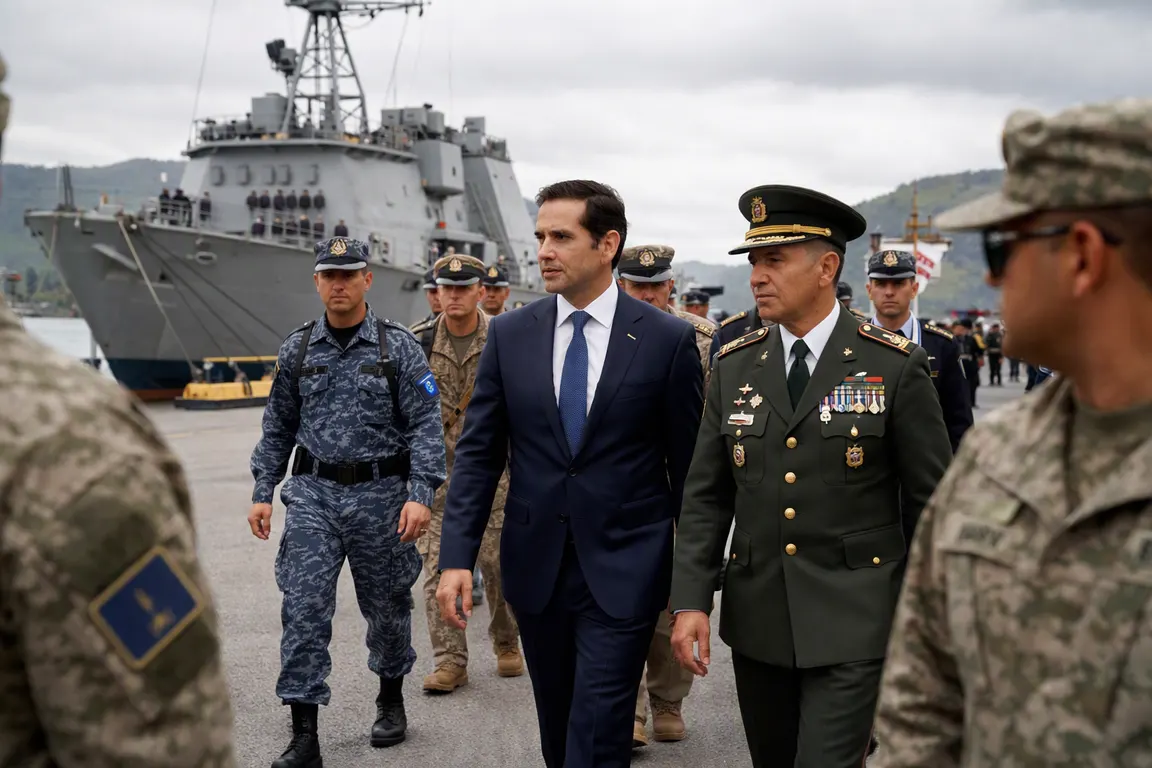
Senator Marco Rubio arrived in Quito in early 2024 to announce a $45 million security assistance package that will place U.S. naval vessels alongside Ecuadorian forces under the U.S. Ecuador anti-drug pact. The deal also preserves Washington’s option to conduct lethal strikes on vessels it deems "narco‑terrorist," a policy highlighted by a recent strike in international waters that killed three suspected traffickers.
The agreement marks the first formal U.S.–Ecuador partnership that explicitly includes the use of force in coordination with the South American ally. By moving from largely unilateral U.S. strikes to a joint framework, the policy could reshape regional security calculations, affect maritime trade routes and raise risks for coastal communities already caught in the drug‑war cross‑fire.
Rubio called Ecuador "the most involved and aggressive partner" in the anti‑drug fight and said the United States would "still blow up ships if need be." The $45 million package has not been broken down publicly, leaving unanswered questions about how much will fund equipment, training, operational costs or the newly pledged vessels. The legal basis for lethal strikes in international waters was not detailed, creating uncertainty about compliance with international law and the rules of engagement governing joint operations.
The partnership also includes a U.S. designation of the Los Tiguerones gang as a terrorist organization. The designation followed the gang’s seizure of a Quito television station during a live broadcast earlier this year, an act the United States cited as evidence of terror‑linked activity. Terrorist labeling opens the door to asset freezes, arrests and intensified law‑enforcement cooperation, but it also raises human‑rights concerns for gang members’ families and the communities where the group operates.
Since 2023, the United States has carried out a series of unilateral strikes on vessels it labels "narco‑terrorist" in international waters. Critics have pointed to the opacity of those operations and the lack of transparent criteria for target selection. The latest strike, which killed three suspected traffickers, was cited by Rubio as justification for keeping a lethal option even as the two governments move toward a coordinated approach.
Ecuadorian officials have not been quoted in the available reports, leaving a gap in understanding how Quito’s leadership views the expanded U.S. naval presence or the potential for collateral damage. Coastal towns that host fishing fleets and small‑scale exporters have expressed concern that increased naval activity could disrupt commerce, raise insurance costs and expose civilians to accidental fire.
Congress is now reviewing a separate request from the administration for additional funding to dismantle Los Tiguerones and broaden anti‑drug operations. Lawmakers will weigh the request against competing budget priorities and ongoing debates about the scope of U.S. military engagement abroad. The outcome will determine whether the current $45 million package is a one‑off boost or the foundation for a longer‑term, more heavily militarized partnership.
As the United States and Ecuador deepen a joint, fire‑armed anti‑drug strategy, the next steps hinge on congressional action and on how both governments address the legal and humanitarian questions that have surfaced. Until those issues are clarified, the partnership’s impact on regional security, maritime trade and vulnerable communities will remain uncertain.