

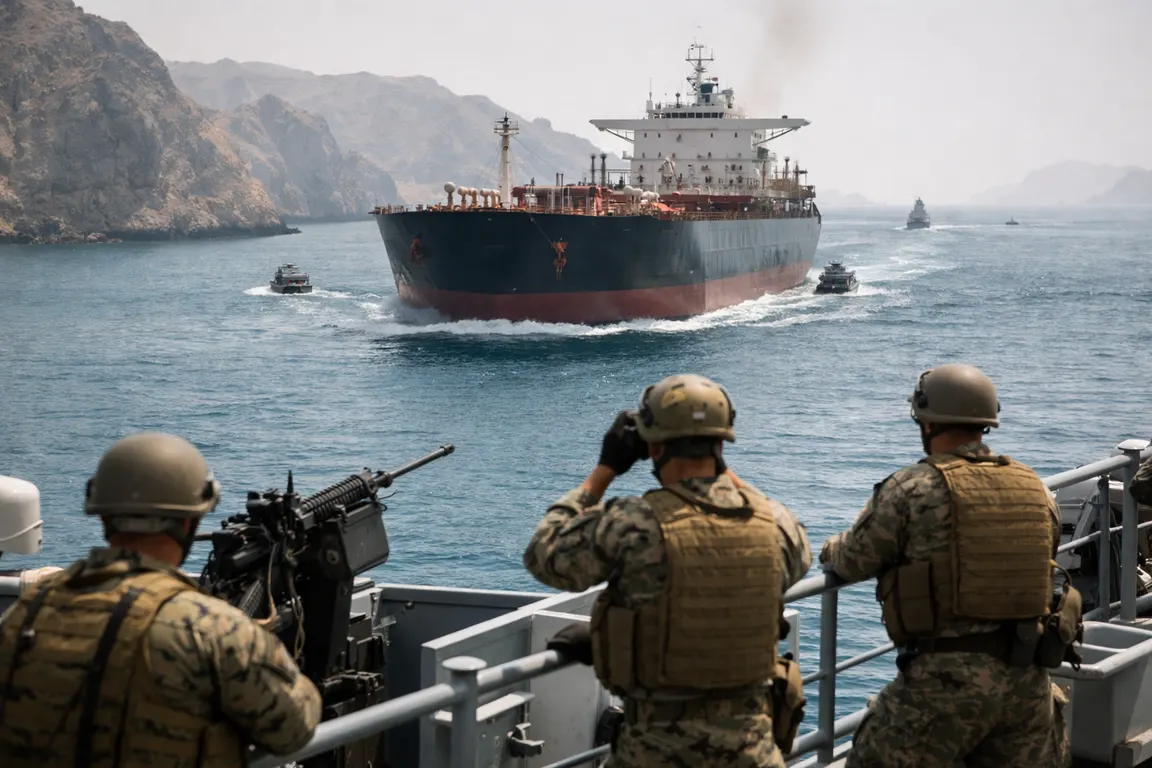
The US has reversed its decision to charge a toll for shipping cargo through the Strait of Hormuz, a critical waterway for global oil trade. This sudden reversal has significant implications for the ongoing US-Iran conflict, global trade, and regional security.
The Strait of Hormuz is a vital shipping lane, with a significant portion of the world's oil passing through it. The US had initially announced plans to charge a 20% toll for ships using the waterway, but reversed the decision a day later. The reasons for the reversal are unclear.
The US has been involved in a conflict with Iran for over four months, with the US conducting airstrikes against Iran. The reversal of the toll plan may affect global oil prices and trade. Iran has attempted to control the Strait in the past, and the US has been involved in efforts to maintain regional security and stability.
The cost of the conflict may have significant implications for the US economy and taxpayers. Lawmakers have expressed concerns over the mounting cost of the conflict. The US will need to navigate the complex situation in the region, with the reversal of the toll plan being just one aspect of the ongoing conflict.
The uncertainty over the current status of the US-Iran conflict and the impact of the toll plan reversal adds to the complexity of the situation. As the situation continues, the implications of the ongoing US-Iran conflict for regional security and stability remain a concern. The US will need to balance its efforts to maintain regional security with the need to avoid escalating the conflict.
The reversal of the toll plan is a significant development in the ongoing US-Iran conflict. The US will need to continue to navigate the complex situation in the region, with a focus on maintaining regional security and stability. The implications of the conflict for global trade, regional security, and the US economy will be closely watched in the coming days and weeks.