

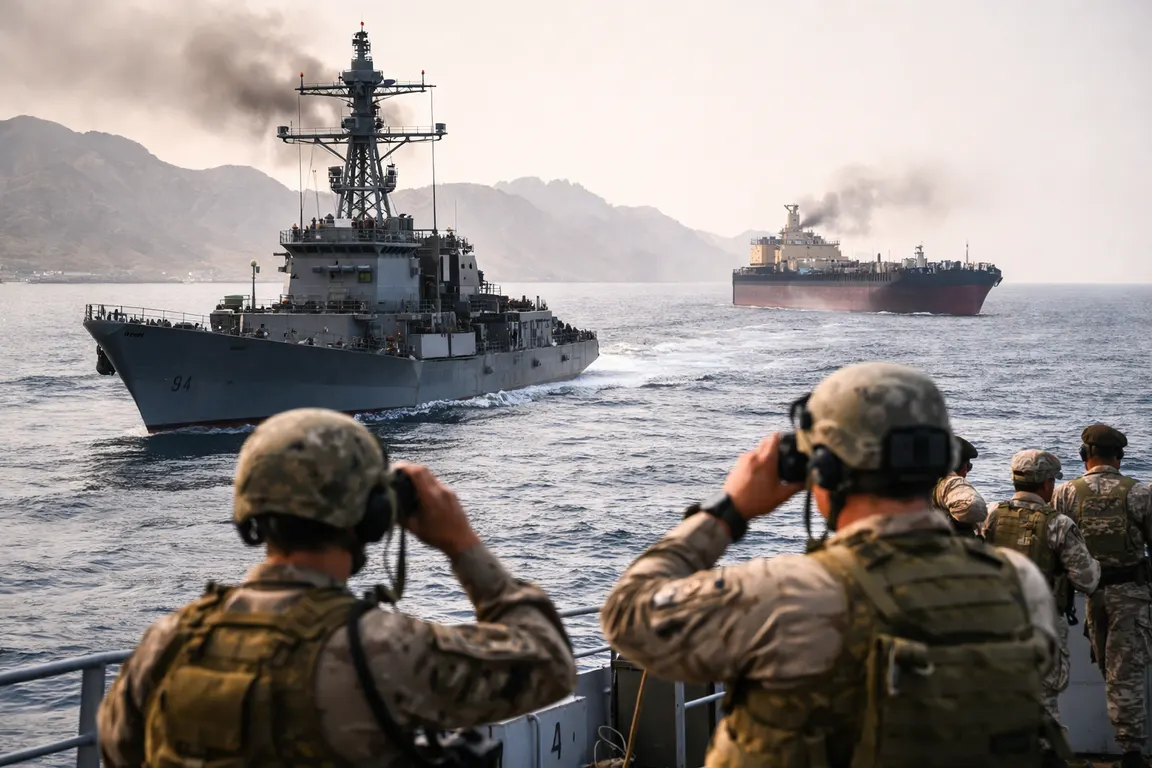
The US has abandoned its proposal to charge a toll on ships passing through the Strait of Hormuz, amid escalating tensions in the region. The situation in the Strait of Hormuz has become increasingly volatile, with multiple attacks on tankers and shipping vessels, and the US and Iran engaging in a war of words, making the safety of international shipping a pressing concern.
The US has conducted strikes against Iranian targets, while Iranian forces have targeted US naval vessels in the Strait with cruise missiles. At least three tankers have been struck in the region, resulting in the death of an Indian sailor and injuries to several others. The UAE and Gulf allies have condemned the attacks on international shipping, and Oman's Foreign Minister is engaged in talks to guarantee freedom of navigation through the Strait.
The US has announced a blockade of Iranian ports, which is set to take effect, and oil prices have jumped in response to the escalating tensions in the region. The decision to scrap the proposed toll comes as the international community is left wondering how to balance the need for secure shipping lanes with the risks of escalating tensions and conflict.
As the situation continues to deteriorate, the implications of the US scrapping the proposed toll, the impact on the global oil market, and the potential consequences of the US blockade of Iranian ports remain unclear. The safety of seafarers is also a major concern, given the increasing risks of attack and conflict in the region. International organizations and diplomacy will play a crucial role in resolving the crisis in the Strait of Hormuz in the coming days.
The US move to drop the toll plan may be seen as an attempt to ease tensions and focus on finding a diplomatic solution to the crisis. However, the underlying issues driving the conflict remain, and it is unclear whether the US and Iran can find common ground to resolve their differences. The international community will be watching the situation closely, as the stakes are high and the potential consequences of further escalation are severe.
The Strait of Hormuz is a critical waterway, with a significant portion of the world's oil passing through it. Any disruption to shipping in the region could have far-reaching consequences for the global economy. As such, finding a solution to the crisis that balances the need for secure shipping lanes with the need to reduce tensions and avoid conflict is essential. The coming days will be critical in determining the course of the crisis and the potential consequences for the region and the world.