

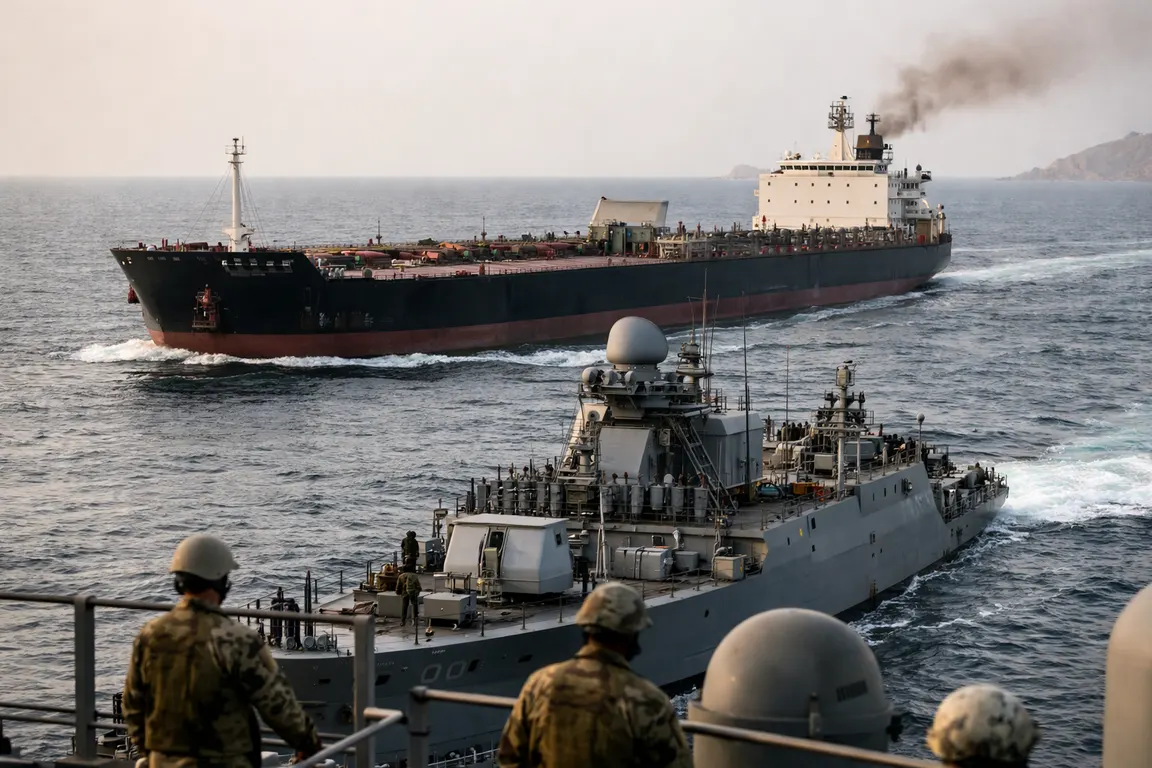
The US has abandoned its plan to charge cargo ships a 20% fee for using the Strait of Hormuz, a critical waterway for global oil trade. This decision has significant implications for global trade, maritime security, and US-Iran relations, potentially reducing tensions and economic burdens on countries that rely heavily on the Strait for oil exports.
The Strait of Hormuz, located between Iran and Oman, connects the Persian Gulf to the Gulf of Oman and the Arabian Sea, and is a vital route for oil exports. The US initially considered imposing the fee but dropped the plan within 24 hours of its announcement. The decision was made during a meeting with the Prime Minister of Iraq, and according to US officials, regional countries may invest in the US in return for transit protection.
This move could ease tensions with Iran and reduce economic burdens on global trade, particularly oil exports. The US has been involved in efforts to secure the Strait and counter Iranian influence. The decision affects global trade and has implications for the economies of countries that rely on the Strait of Hormuz. It may also impact the livelihoods of people involved in the shipping and oil industries.
With the plan dropped, attention turns to how regional countries will structure their investments in the US for transit protection, and what the expected outcomes will be. The US will not impose a 20% fee on cargo ships using the Strait of Hormuz, a decision that may impact global oil prices and trade. The implications of this decision for US-Iran relations and regional security are still unfolding.
The Strait of Hormuz is a critical waterway, with nearly 20% of the world's oil passing through it. The US decision to drop the fee plan may reduce tensions in the region and have a positive impact on global trade. As the situation continues to develop, the key question is how this decision will affect global oil prices and trade, and what implications it holds for US-Iran relations and regional security.