

Ukrainian train drone strike near Poland prompts NATO aid
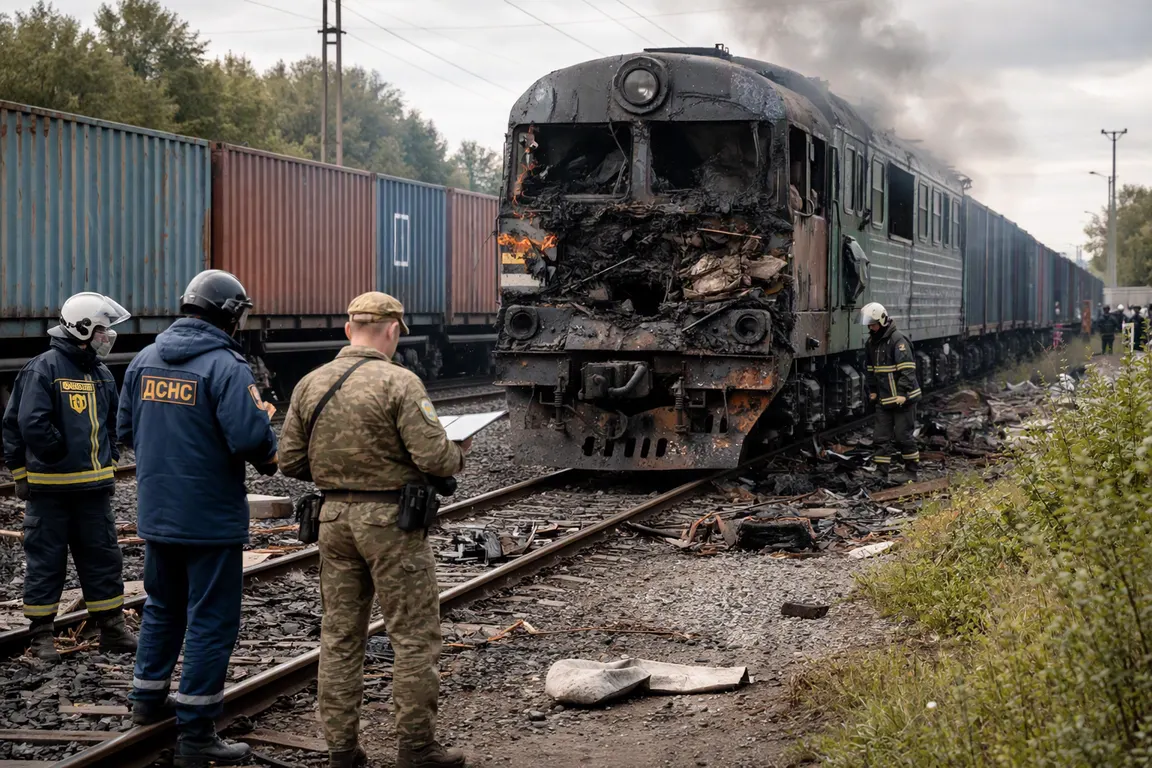
A Russian‑operated drone struck a Kyiv‑to‑Warsaw freight train in Volyn, Ukraine, on Sept. 13, just two kilometres from the Polish border. The Ukrainian train drone strike damaged a locomotive at Yagodyn station but caused no injuries. The near‑miss has spurred NATO to discuss additional assistance for Ukraine and raised fresh concerns about the conflict spilling onto NATO territory.
The incident is part of a growing pattern of cross‑border attacks that target civilian infrastructure. It occurred as Ukraine launched a large‑scale drone offensive against Russian‑occupied Crimea and the Black Sea resort city of Sochi. In Sochi, falling debris injured dozens of civilians, including children, and forced temporary beach closures.
Polish Prime Minister Donald Tusk called an emergency cabinet meeting after the Volyn strike, warning that Russian actions could intensify. NATO Secretary‑General Jens Stoltenberg cited the attack as evidence of “escalating Russian aggression” and said the alliance would provide “more support” to Kyiv. Dutch Prime Minister Mark Rutte echoed the call, urging a doubling of assistance.
In the Sochi attacks on the night of Sept. 9‑10, Ukrainian forces launched roughly 400 drones at targets in Crimea and the resort city. Russian media reported five civilian injuries from falling debris and 28 more from sea‑drone strikes on the beachfront and a concert venue. Local officials noted damage to public infrastructure and a short‑term dip in tourist activity. Russian officials suggested the attacks could be “false‑flag” operations, but no independent verification of specific targets, such as President Vladimir Putin’s Bocharov Ruchey dacha, has emerged.
Rail operators along the Ukraine‑Poland corridor are reviewing security protocols. Polish authorities have increased border patrols, deployed mobile anti‑drone systems, and are coordinating with Ukrainian rail operators on early‑warning measures. Ukraine is expanding air‑defence coverage on its western front and studying hardened rail corridors to protect critical routes.
The twin incidents highlight immediate risks to civilian safety and regional economies. Disruptions to the rail link could reverberate through Central European supply chains, while the injuries and beach closures threaten Sochi’s summer tourism season, a key source of local revenue.
NATO allies, including Poland’s foreign minister, have called for a “doubling” of support for Ukraine, hinting at more weapons, intelligence sharing and funding for border‑security projects. While the alliance has not yet detailed a specific package, the statements signal a willingness to allocate additional resources amid pressure from member states bordering the conflict zone.
The next NATO summit, scheduled for early next month, is expected to address funding and materiel commitments for Ukraine. How the alliance translates its pledges into concrete, long‑term support—and how it balances those commitments against domestic defence budgets—will shape European security dynamics in the months ahead.