

Ukrainian drones make Russian airspace unsafe for flights
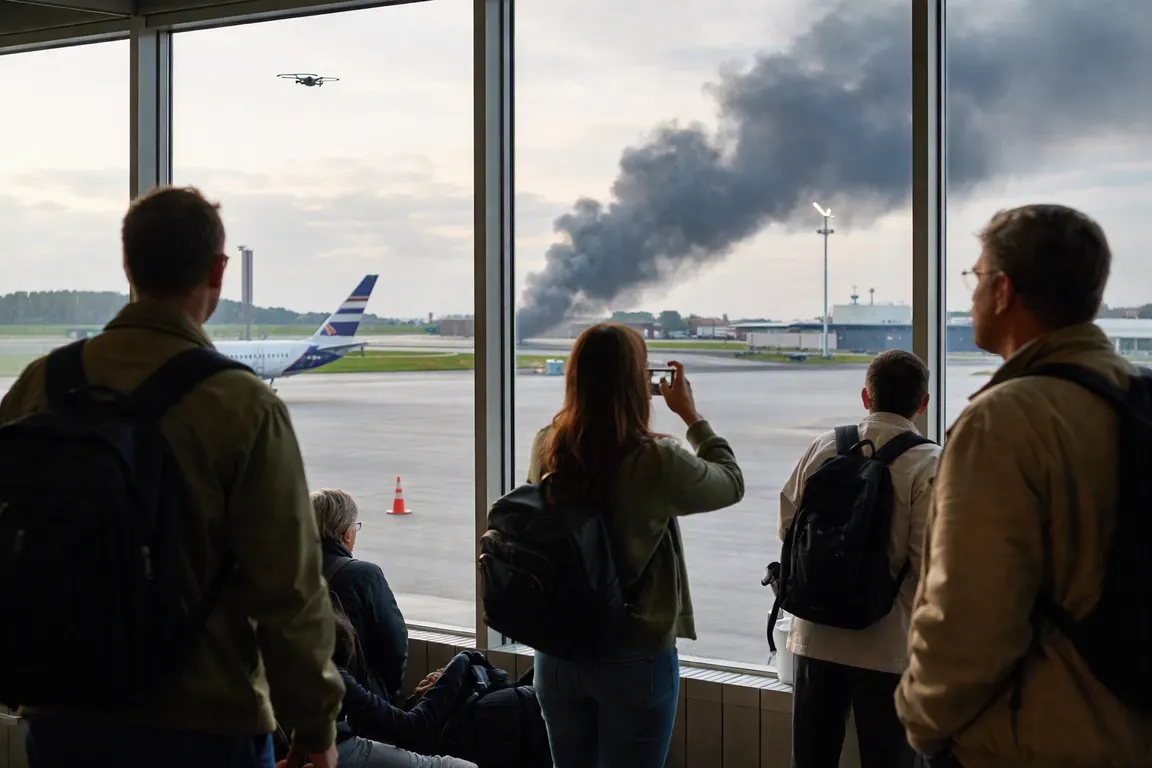
President Volodymyr Zelenskyy told airlines, insurers and travelers on Sept. 1, 2026 that Ukrainian drones have made Russian airspace unsafe for commercial flights. The warning, delivered in his nightly address, signals a de‑facto closure of Russian routes and has prompted immediate reassessments across the aviation sector.
Zelenskyy made the statement after a wave of Russian missile and drone strikes on Kyiv that killed at least 12 people and injured 21 the same day. He stressed that Ukraine does not intend to target civilian aircraft, but that drones will be present “on a scale that must be taken into account.” He added that Ukraine could pause drone operations for “specific periods” if requested by diplomatic partners. Moscow’s response was swift: President Vladimir Putin called the warning a “declaration of state terrorism,” framing it as an escalation.
Airlines are now weighing options. Carriers that already serve Moscow, St. Petersburg and other Russian hubs are reviewing flight plans to see whether rerouting around Russian airspace is feasible without eroding schedule reliability. Rerouting would add fuel costs, increase flight time and could force cancellations on routes that lack viable alternatives. Smaller carriers, which depend on Russian transit traffic for a significant share of revenue, face the prospect of abrupt revenue loss if the warning translates into sustained avoidance of Russian skies.
Aviation insurers are also reacting. Liability policies typically exclude war‑related perils, but the line between war and commercial risk blurs when drones operate near civilian airports. Several major underwriters said they will revisit premium calculations for flights that cross or land in Russia, potentially raising costs for airlines and, ultimately, passengers. The uncertainty complicates risk modelling, especially as no formal policy change or legal restriction on Russian airspace has been announced by any government or regulator.
Regulators have issued limited guidance so far. The International Civil Aviation Organization has not released a new safety advisory, and the European Union Aviation Safety Agency is monitoring the situation. National authorities in the United States and Europe have advised airlines to assess the risk but have stopped short of imposing bans. The lack of an official restriction leaves carriers to make their own safety judgments, increasing the burden on flight‑planning teams.
The broader economic impact could be significant. Russian airports, many of which serve as transit points for cargo and passenger traffic between Europe and Asia, may see a drop in throughput if airlines curtail services. Reduced air connectivity could affect trade flows, tourism and supply chains that rely on timely air freight. Analysts warn that a prolonged de‑facto closure would add pressure to an already strained Russian economy.
The next steps remain unclear. While Zelenskyy’s offer to pause drone operations for diplomatic periods suggests a possible lever for negotiation, no foreign government has made a formal request. Aviation stakeholders will watch for any advisory from ICAO or national regulators, and airlines will continue to balance safety, cost and market demand as the situation develops.