

Ukrainian Drone Strikes Raise Safety Concerns for Flights
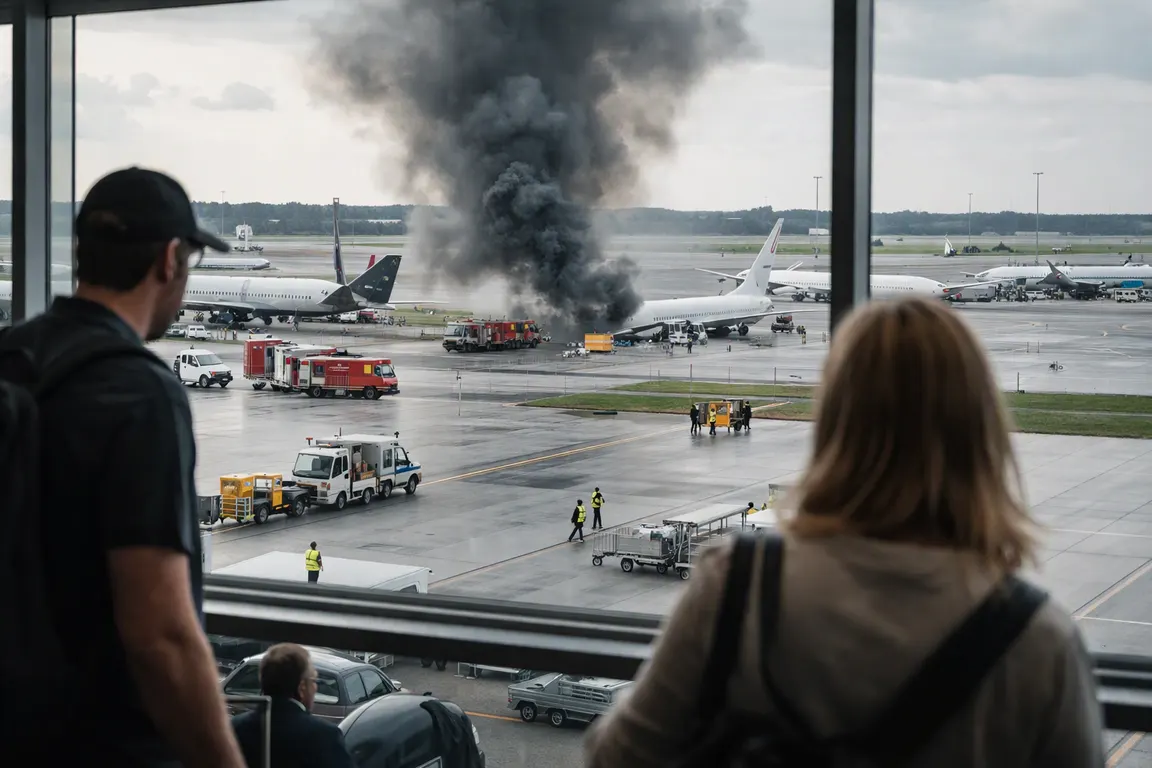
Ukrainian drone strikes have increased across the Russian border, leading President Volodymyr Zelenskyy to warn that Russia’s airspace is becoming unsafe for commercial airlines. The warning, first reported by the Guardian, has airlines, regulators and governments re‑examining routes that regularly cross Russian skies.
The timing is significant because winter is expected to bring a surge in Russian strikes on Ukrainian energy facilities. Any disruption to Russian air routes could affect Europe‑Asia corridors that handle millions of passengers and tons of cargo each year. Rerouting around Russian airspace can add one to two hours to flight times, raising fuel consumption, ticket prices and cargo delivery schedules at a moment when airlines already face volatile fuel markets.
Ukrainian officials confirm that drones are being flown into Russia in “growing numbers,” though they have not released precise counts. The campaign is presented as retaliation for anticipated intensified Russian attacks on Ukrainian energy infrastructure ahead of winter, a claim echoed by Al Jazeera. Russian President Vladimir Putin has described the drone activity as “terrorism” and warned of harsher strikes on Ukrainian energy sites.
Aviation experts quoted by the Independent note that the volume of unmanned systems forces airlines to treat Russian airspace as a de‑facto conflict zone, even without an official ban from Russian aviation authorities. “Airlines typically avoid conflict zones, but the unpredictability of drone incursions adds a layer of operational risk that is hard to quantify,” one analyst said. The International Civil Aviation Organization has not yet issued specific safety guidance on the Ukrainian drone activity, leaving carriers to rely on their own risk assessments and national regulators’ advisories.
For carriers that use the Europe‑Asia corridor, the implications are immediate. A Moscow‑to‑Beijing flight that once flew a direct route now faces the prospect of a detour over Central Asia, extending flight time by up to two hours. That translates into an estimated 5‑10 percent increase in fuel burn per flight, a cost airlines are likely to pass on to passengers through higher fares. Cargo operators warn that longer routes could delay time‑sensitive shipments, affecting supply chains for electronics, pharmaceuticals and automotive parts moving between Europe and Asia.
Regulators in the European Union and the United States are monitoring the situation closely. The U.S. Federal Aviation Administration has advised airlines to stay alert to “any emerging threats to the safety of the National Airspace System,” while the European Union Aviation Safety Agency has urged carriers to incorporate the latest intelligence into flight‑planning software. Some airlines have already begun filing alternative flight plans that skirt the western edge of Russian airspace, but the lack of a formal Russian ban means the decision rests on each carrier’s risk tolerance.
The broader geopolitical stakes are also at play. The Independent suggests that the drone threat could become a bargaining chip in future negotiations, pressuring Moscow to consider diplomatic concessions. Yet without concrete data on the number of drones or documented incidents, the true level of risk remains opaque, fueling uncertainty among airlines and insurers alike.
As winter approaches and the threat of expanded Russian strikes on Ukrainian energy facilities looms, the aviation community faces a pressing question: will regulators issue formal restrictions, or will airlines continue to navigate a gray zone of risk? The answer will shape flight schedules, ticket prices and cargo timelines for months to come, testing how quickly the global aviation system can adapt when a war’s front lines spill into the sky.