

Ukraine Starlink throttling restored after brief outage
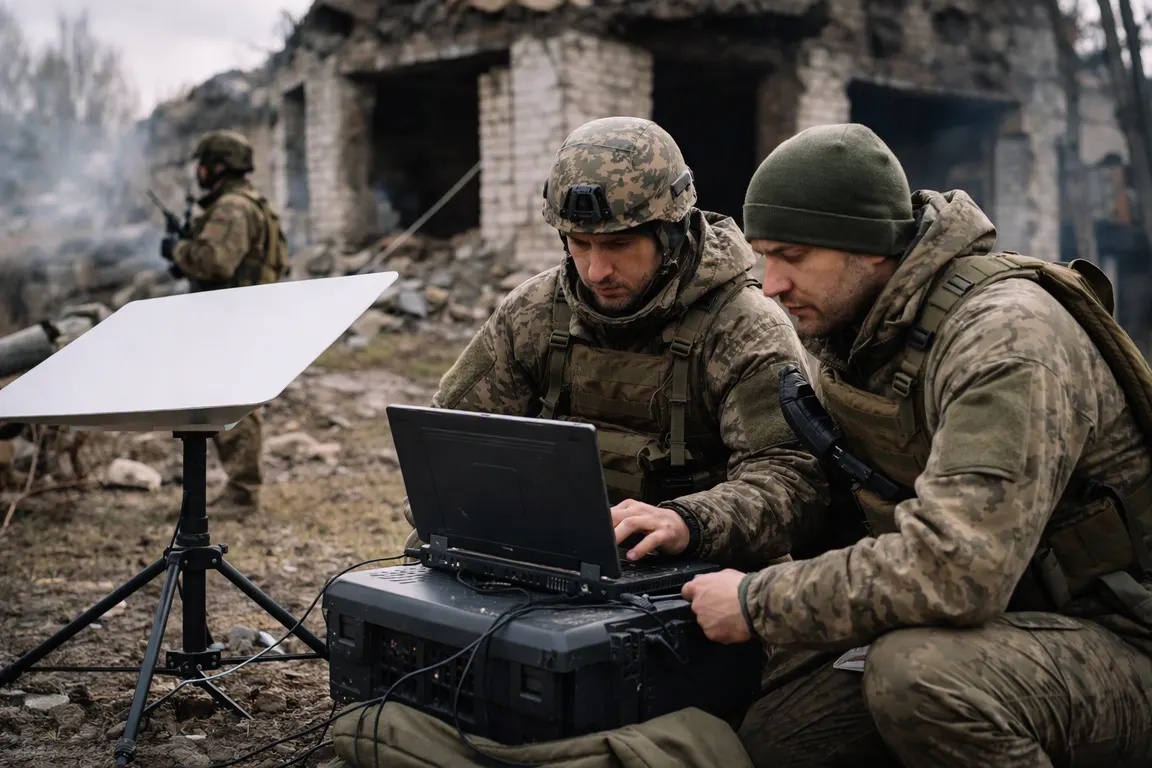
Ukraine’s Starlink satellite internet service and the related U.S. military‑grade Starshield network were throttled for several hours on Thursday, then fully restored later that day. The sudden bandwidth reduction coincided with a large‑scale Russian drone attack on Ukrainian infrastructure, prompting questions about whether the outage was linked to undisclosed diplomatic discussions.
Starlink has become a critical component of Ukraine’s war effort. Front‑line units rely on the service for real‑time communications, navigation and intelligence, while civilians use it to access news, contact relatives and request emergency assistance. Any interruption can hamper defensive operations, delay medical evacuations and affect morale.
The throttling began without public warning during the coordinated drone assault. Ukrainian officials reported degraded connectivity for both military users and the public within hours. President Volodymyr Zelensky, speaking with SpaceX CEO Elon Musk, warned that restrictions on the service “cost lives.” By Thursday evening, Starshield access was restored, but the reason for the bandwidth cut remains unclear.
Media reports have offered differing explanations. The New York Post noted that the reduction was not ordered by former President Donald Trump, leaving the decision‑maker unidentified. An opinion piece in The Wall Street Journal suggested a possible quid‑pro‑quo: Kyiv might limit strikes on Russian energy facilities in exchange for U.S. intelligence on Russian launch sites. The article presented the idea as a diplomatic lever, but no official source has confirmed such a deal.
The lack of attribution raises broader questions about U.S. policy control over the service. While SpaceX operates Starlink, the Starshield component is part of a U.S. defense program that can be directed by the government. BBC coverage highlighted Zelensky’s warning but did not link it to any policy shift, underscoring the opacity of the decision‑making chain.
If a data‑for‑peace arrangement were to materialize, the implications would be significant. Reduced Ukrainian attacks on Russian energy infrastructure could lessen volatility in European energy markets, easing price pressures that have strained the continent’s post‑war recovery. Conversely, it could preserve a revenue stream for the Russian state, weakening a tool of economic pressure used by Western allies.
More fundamentally, the episode illustrates how satellite communications can become a diplomatic bargaining chip. Should the United States or other providers condition service on strategic concessions, allies may find their operational autonomy constrained, prompting a reassessment of how critical digital infrastructure is funded and governed.
U.S. officials have not commented on who authorized the bandwidth reduction or whether any exchange of data for restraint is under discussion. Observers will watch for further indications of policy shifts as the conflict intensifies and the need for reliable communications grows. Until clearer answers emerge, Ukraine’s reliance on Starlink underscores both the strategic value of satellite connectivity and the vulnerabilities that arise when that lifeline can be altered without public notice.