

Ukraine drone raid hits Moscow region, Russia says 900
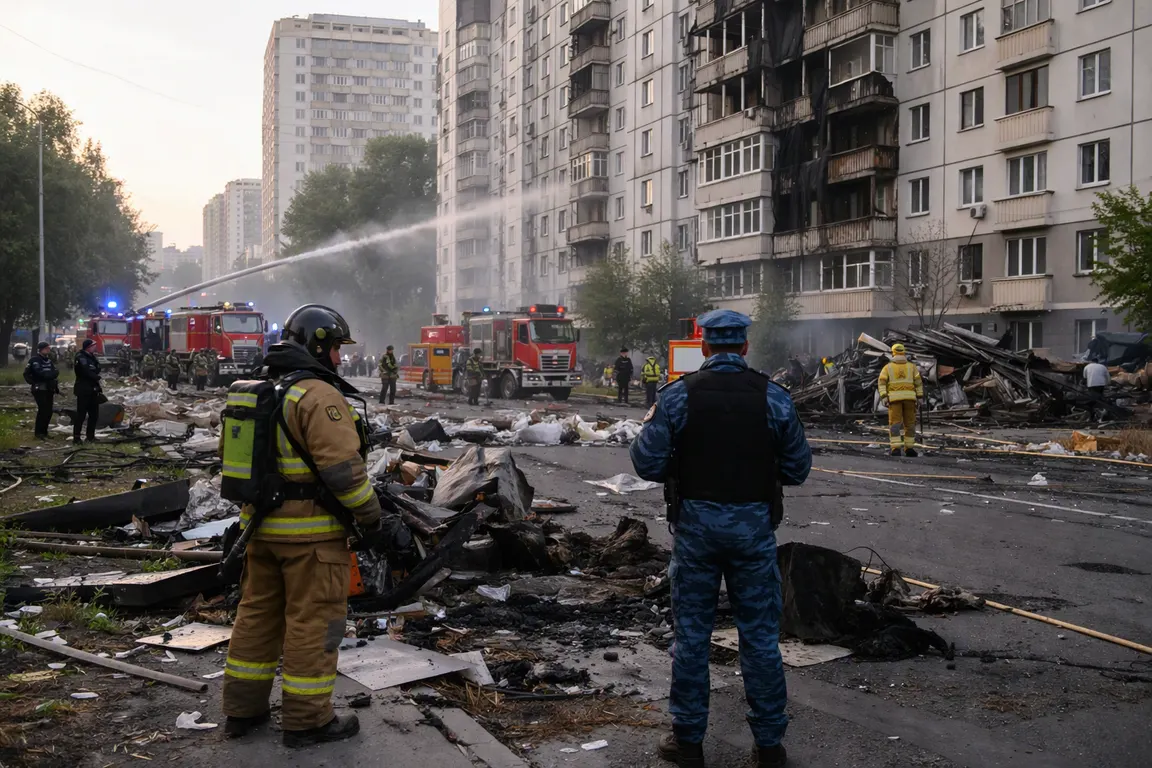
Ukraine’s air force launched a coordinated swarm of unmanned aircraft overnight, targeting the Moscow region, Crimea and the Sea of Azov. Russian defence officials said they intercepted "nearly 900" drones, while Moscow Mayor Sergei Sobyanin reported 650 inbound drones, of which 105 were downed near the capital and a further 68 were intercepted later. Al Jazeera cited a lower figure of 290 drones aimed at Moscow and surrounding areas, highlighting the difficulty of confirming the scale of the attack in real time.
The raid marks the first large‑scale, long‑range strike Kyiv has mounted deep inside Russian territory since the war began. It tested Russia’s air‑defence network, forced the redeployment of assets across a wide front and raised immediate safety concerns for civilians in the affected regions. The operation came as President Volodymyr Zelensky warned on social media of an imminent "massive" Russian aerial offensive, suggesting a possible escalation in both directions.
Russian authorities said most of the drones were shot down by surface‑to‑air systems and fighter interceptors. Sobyanin said the interceptions near Moscow caused no civilian casualties, but unverified reports claim a fuel depot in the Moscow region caught fire, killing two people. No independent confirmation of the blaze or the fatalities has emerged, and officials have not disclosed the extent of any infrastructure damage.
Ukraine’s foreign minister noted that Russia retains an estimated 600 ballistic missiles in reserve and can produce up to 140 missiles per month, figures that have not been verified by Moscow. Kyiv also repeated a claim that roughly 51% of Russia’s oil‑refining capacity has been disabled, a statistic that remains uncorroborated by third‑party analysts.
The potential impact on energy markets is already visible. Russia’s ban on diesel exports, introduced after earlier Ukrainian strikes on refineries, has pushed global diesel prices higher. If the recent drone raid caused additional damage to fuel storage or processing facilities, it could tighten domestic supply and keep prices elevated abroad, though the exact effect remains uncertain.
Civilian risk is a central concern. Residents of the Moscow region and Crimea reported hearing the drones and seeing anti‑aircraft fire, prompting temporary alerts and road closures. No confirmed injuries have been reported beyond the alleged depot incident, but the sheer volume of aircraft and the proximity of interceptions to populated areas underscore the heightened threat to non‑combatants.
Analysts say the operation demonstrates Kyiv’s growing ability to conduct long‑range strikes, likely using a mix of commercially available drones and modified platforms. It also suggests that Russia’s layered air‑defence architecture, once considered robust, may be strained when faced with a high‑density attack.
Unanswered questions remain: how many drones actually reached their targets, what material damage was inflicted and whether the incident will prompt a broader Russian aerial campaign, as Zelensky predicts. Monitoring subsequent Russian air‑defence deployments and any follow‑up strikes will be essential for assessing the evolving dynamics of the conflict.