

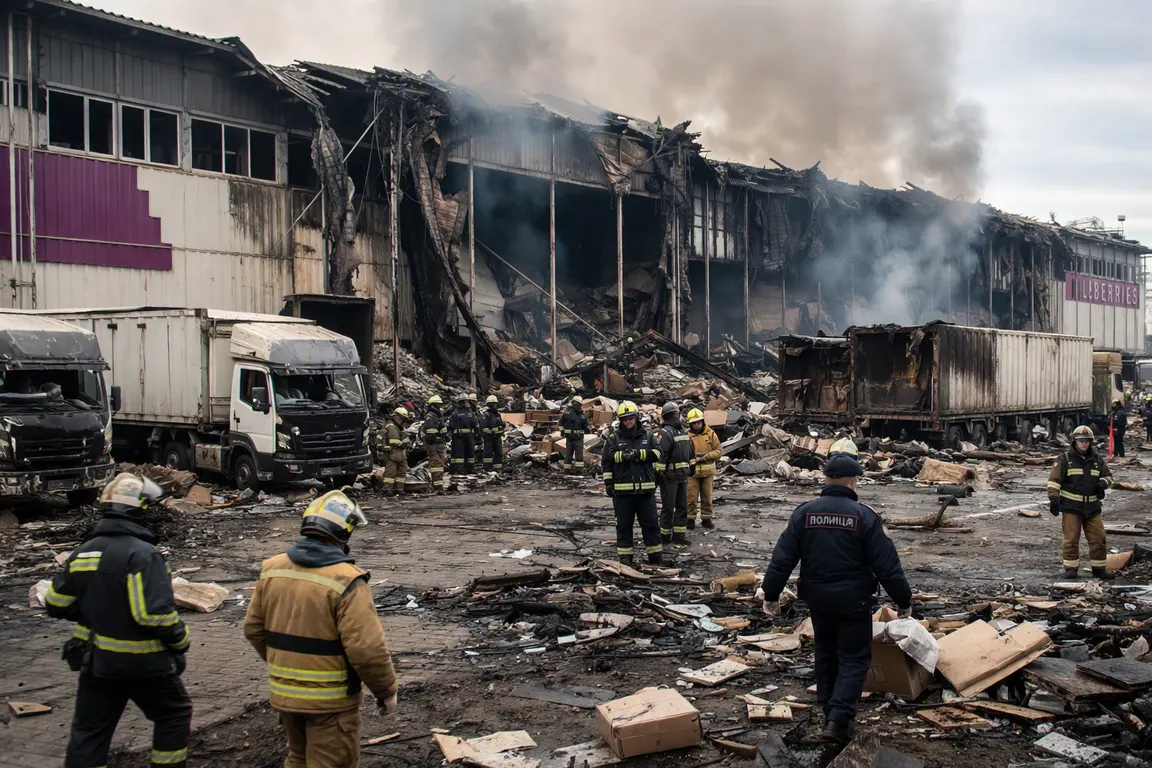
Ukraine has intensified its drone attacks on Russia, with the country's Defense Ministry claiming to have downed at least 660 Ukrainian drones in one of the largest drone attacks since the 2022 invasion began. The recent surge in Ukrainian drone attacks, part of Ukraine's drone campaign, is putting significant pressure on Russia, worsening fuel shortages and disrupting the economy.
Fuel rationing measures are now in place in at least 56 Russian regions, affecting civilians and the economy. A woman was reportedly wounded in the Tula region, where the Azot chemical plant in Novomoskovsk was struck by a drone. Moscow Mayor Sergei Sobyanin confirmed that at least 47 inbound drones were downed in the capital region.
The exact number of drones launched and downed is uncertain, with Russia's intercept rate potentially being less than the amount of UAVs that made it through. Ukrainian President Volodymyr Zelensky announced a 40-day 'influence operation' to compel Russia to end the war, which was launched on Thursday. The drone attacks have been ongoing, with a significant escalation in recent nights.
As the attacks continue, the economic strain on Russia is starting to show, with fuel shortages and rationing measures spreading across the country. The extent of the damage caused by the drone attacks on Russian infrastructure is still unclear, but reports suggest that the attacks are affecting Russian civilians and the economy. The potential impact of Ukraine's 'influence operation' on the war's trajectory is also uncertain, but it is clear that the situation will continue to escalate in the coming days.
Ukraine's drone campaign is set to continue, with the country's military looking to further disrupt Russian logistics and infrastructure. The international community will be watching closely, as the situation in Ukraine continues to unfold. With the conflict showing no signs of slowing down, the effects of the drone attacks on Russia's economy and civilians will be crucial in determining the war's outcome.