

UK universal jurisdiction case over Rwanda genocide
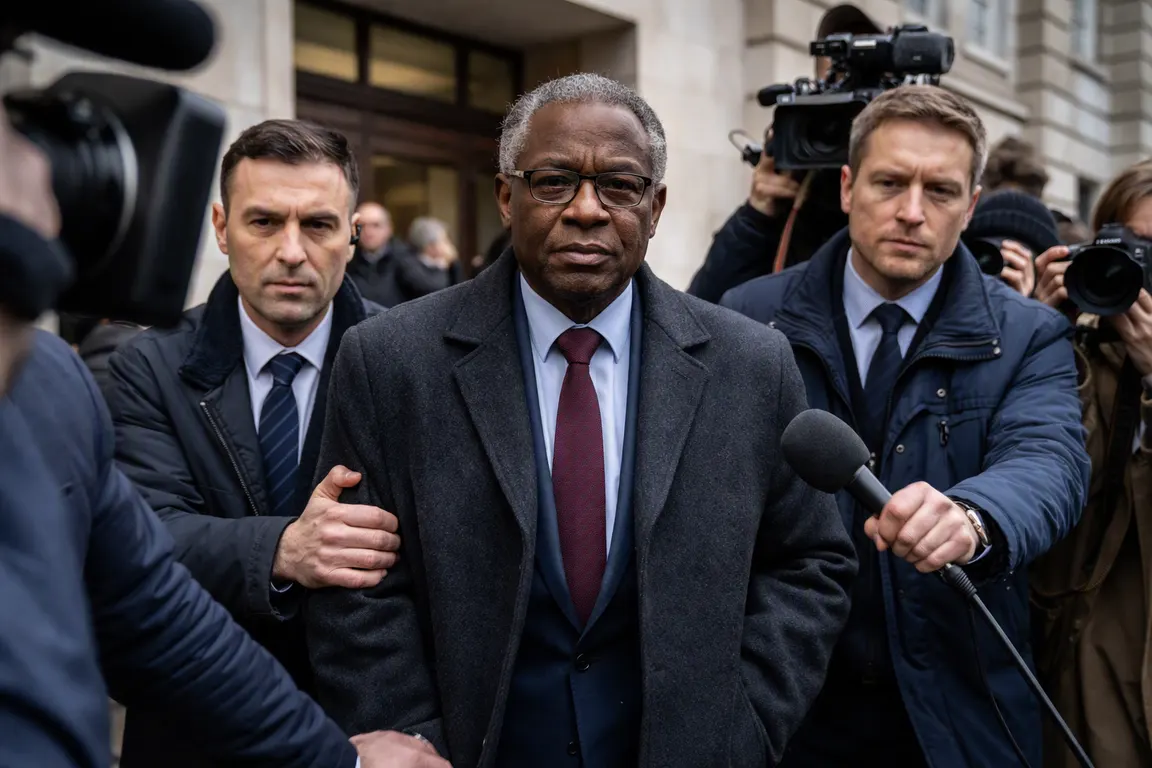
A magistrate in Westminster will hear the UK universal jurisdiction Rwanda case of Dr. Vincent Brown, 65, accused of directing and inciting murder and genocide during Rwanda’s 1994 conflict. The appearance marks the United Kingdom’s first prosecution under its universal‑jurisdiction powers for the Rwanda genocide, a legal milestone that could shape how Western courts address foreign atrocities.
Prosecutors allege Brown, born in Kigali and now living in Islington, helped plan and encourage killings that formed part of the 1994 genocide. He faces seven counts, including directing murder and genocide, under the International Criminal Court Act 2001 and the Genocide Act 1969. A conviction would demonstrate that the UK can hold individuals accountable for crimes committed abroad, offering a measure of justice for survivors and signalling to other jurisdictions the potential for cross‑border accountability.
Brown, who changed his surname from Bajinya to Brown several years ago, was formally charged last week after investigators linked him to the violence. The Crown Prosecution Service announced the charges, which were reported by Al Jazeera, the BBC and The Guardian. He is scheduled to appear before Westminster Magistrates’ Court on Tuesday; a trial date has not yet been set.
British law permits universal jurisdiction for genocide, war crimes and crimes against humanity, regardless of where the acts occurred or the nationality of the accused. The UK has invoked this power in a handful of cases, most notably alleged war crimes in Iraq and Afghanistan, but Brown’s case is the first to apply it to the Rwanda genocide. Legal scholars say the prosecution could set a precedent for future cases involving conflicts in Syria, Myanmar and elsewhere by clarifying evidentiary standards and procedural hurdles.
Rwandan survivors in the UK have welcomed the development, describing it as an opportunity for accountability that was previously unavailable. Community groups in London have organized vigils and issued statements urging a transparent process. Human‑rights organisations, including Amnesty International, have called for robust protection of the defendant’s legal rights while emphasizing the importance of addressing historic injustices.
The case also raises diplomatic considerations. No official comment has been issued by the Rwandan government, but analysts note that a conviction could affect bilateral relations. The focus of the proceedings, however, remains on the evidence and the application of UK statutes, not on political fallout.
Several unanswered questions remain. The prosecution must demonstrate a clear link between Brown’s actions and specific atrocities, a task complicated by the passage of time and the need for reliable witness testimony. Defense counsel is expected to challenge the admissibility of overseas evidence and argue that the case falls outside the scope of UK jurisdiction.
The outcome will inform future decisions by prosecutors considering similar universal‑jurisdiction cases. Whether the trial proceeds to a full hearing, results in a conviction, or is dismissed on procedural grounds will provide a benchmark for how far British courts are willing to go in holding foreign perpetrators accountable for mass atrocities.