

UK keeps diplomatic team in East Jerusalem as UK mission
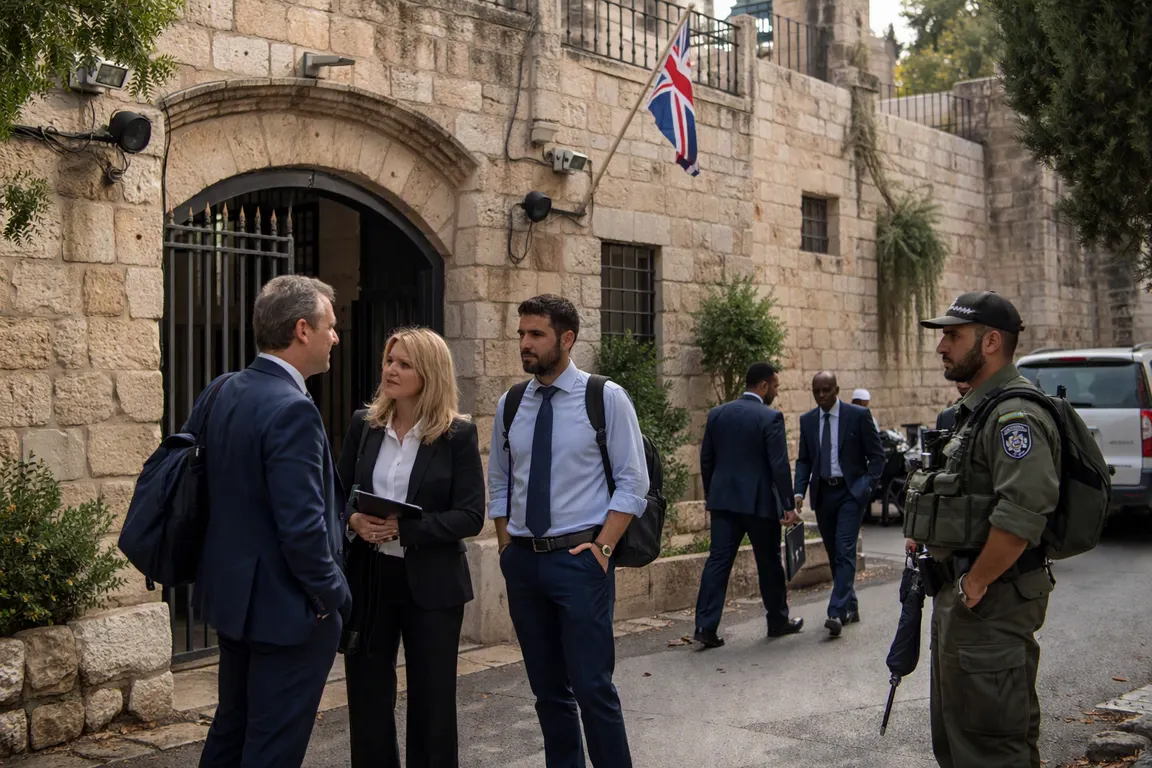
Israel ordered the British consulate in East Jerusalem to shut on Sept. 24 after the United Kingdom announced a ban on products from Israeli settlements in the West Bank. In response, Foreign Secretary David Miliband re‑branded the premises as a “UK mission” and kept a seven‑person diplomatic team on site to continue limited services.
The closure threatens visa processing, consular assistance for British nationals and coordination of British‑funded humanitarian aid for Palestinians in East Jerusalem. With the city already facing fragile stability, the standoff underscores a growing rift between two long‑standing allies.
Israel’s foreign ministry said the order complies with Israeli law, which requires a foreign mission to have the host government’s consent. Miliband countered that Israel has “no legal right” to force the closure, citing the United Nations‑recognised status of the consular premises. No formal legal challenge has been filed.
The dispute began in early September when the UK announced a trade ban on goods produced in illegal West Bank settlements and a sanctions package targeting companies that support settlement construction. The move came ahead of Israel’s national election, prompting Israeli officials to portray it as a breach of the status quo.
On Sept. 25, signs identifying the British consulate were removed from the building’s façade. The following day Miliband announced that the site would continue to operate as a “UK mission” with seven diplomats remaining, while roughly 30 other staff members would be redeployed elsewhere.
The retained team will still issue visas, provide consular assistance to UK citizens and act as a liaison for British‑funded humanitarian programmes that support Palestinian NGOs. Those programmes have relied on the consulate’s on‑the‑ground presence to vet beneficiaries and distribute aid. NGOs warn that the staff reduction could delay funding disbursement and coordination, potentially affecting food, medical and shelter assistance for vulnerable families.
Economically, the UK’s settlement trade ban is expected to pressure firms that supply construction materials and services to settlements, a sector that accounts for a modest share of the West Bank’s economy. Israeli officials argue the ban could harm Israeli workers, while Palestinian business groups say reduced settlement activity might create space for Palestinian economic development, though the immediate impact on livelihoods remains uncertain.
The diplomatic impasse also has political implications for Israel’s upcoming election. Israeli leaders have framed the UK sanctions as external interference, a narrative that could resonate with voters concerned about sovereignty. Conversely, the UK’s stance reinforces its commitment to a two‑state solution and may shape its broader Middle‑East policy and aid allocations.
London has said it will pursue diplomatic channels to keep the mission operational but has not detailed contingency plans should the remaining staff be expelled. For Palestinians who depend on the consulate for assistance, the uncertainty raises questions about alternative points of contact, such as other foreign missions or local NGOs, but no formal backup mechanism has been announced.
The next step is likely a series of diplomatic exchanges between London and Jerusalem, testing the limits of legal authority and political resolve. How the standoff resolves will affect essential services in East Jerusalem and the broader trajectory of UK‑Israel relations, as well as prospects for a negotiated two‑state solution.