

UK mayor urges Ukraine missile aid at UN General Assembly
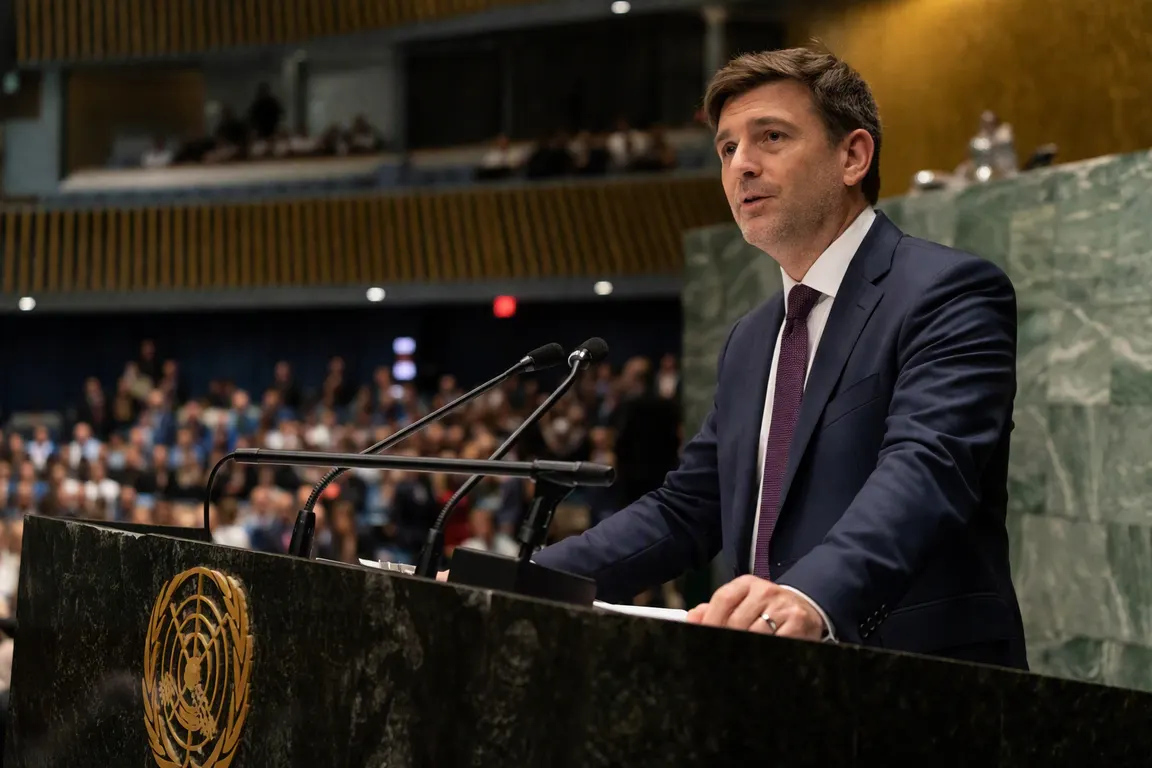
Greater Manchester Labour mayor Andy Burnham will attend the United Nations General Assembly in New York the week of Sept. 17‑23. His trip coincides with Kyiv’s push for more U.S.-made Patriot air‑defence batteries and the United Kingdom’s offer to share design schematics for the SCALP (Storm Shadow) long‑range missile.
Ukraine’s front lines are under intensified Russian air strikes. President Volodymyr Zelenskyy has repeatedly asked the United States to increase Patriot deliveries beyond the 30 batteries already supplied. At the same time, the UK government confirmed it will provide Kyiv with the technical blueprints for SCALP missiles – the first transfer of that technology to Ukraine.
Burnham’s visit, announced in April, gives Ukraine a high‑profile platform at the UN, where heads of state, foreign ministers and senior officials gather. While Burnham is not a negotiator and will not sit at any weapons‑delivery table, his presence could amplify Kyiv’s appeal to NATO members and other donors.
Patriot systems are designed to intercept ballistic and cruise missiles, a capability that could help shield cities such as Bakhmut and Kharkiv from further aerial bombardment. SCALP missiles would give Ukraine a stand‑off strike option against high‑value targets deep inside occupied territory, potentially altering the tactical balance on the ground.
European allies are already tightening logistics around aid shipments. German Chancellor Friedrich Merz recently highlighted a drone‑bomb incident at Leipzig/Halle airport, a key hub for Ukrainian supplies, prompting a review of cargo‑screening procedures. The incident has not yet reduced the overall volume of aid, but it underscores security concerns that could affect the flow of sensitive equipment.
The impact on civilians could be significant. Enhanced air‑defence may reduce casualties from Russian strikes, while long‑range precision weapons could allow Ukraine to target supply depots and command nodes, possibly shortening the duration of intense combat in contested zones.
For defence contractors in the United States, United Kingdom and other allied states, any increase in demand for missile components could stimulate production lines and influence market dynamics.
The key question as the September assembly approaches is whether the diplomatic spotlight will translate into concrete policy shifts. Observers will watch for statements from the United States, the United Kingdom or other NATO members that move beyond rhetoric to specific delivery schedules. Until such commitments are announced, Burnham’s trip remains a high‑profile conduit for Ukraine’s appeal, but its ultimate effect on the weapons supply gap – and on the lives of those on the front line – remains uncertain.