

UK deploys RAF Typhoon jets to protect Saudi airspace
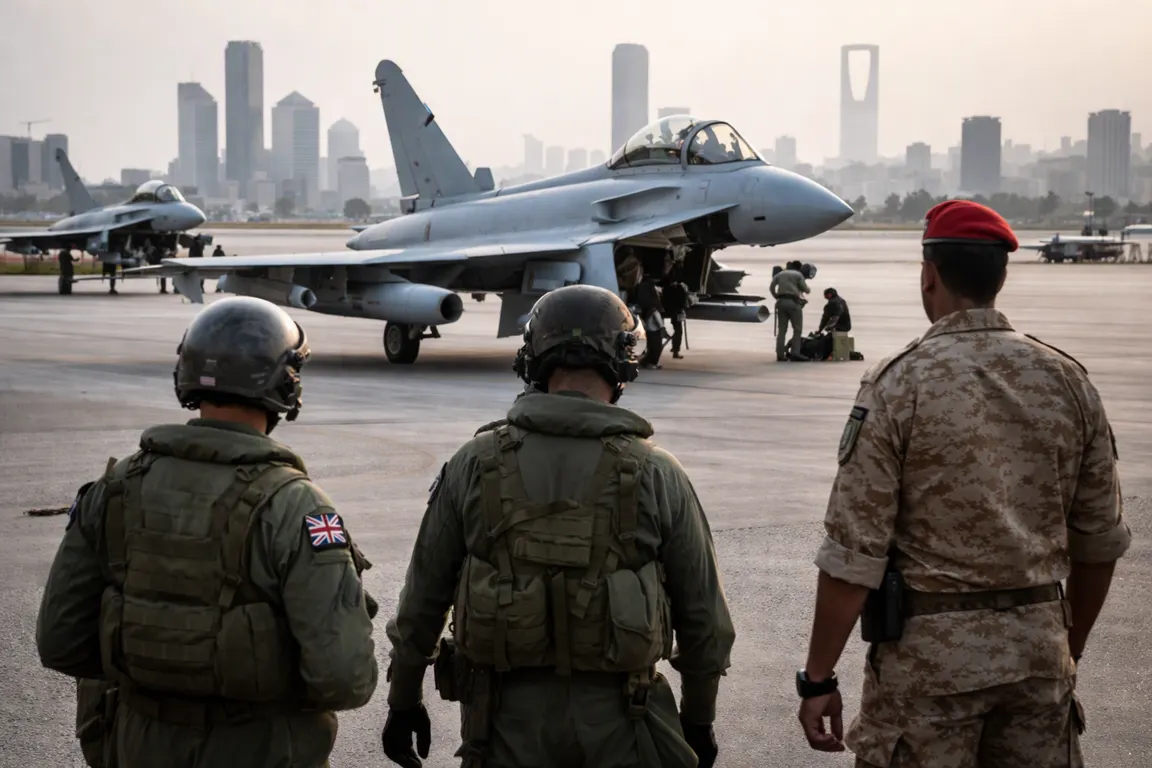
The United Kingdom announced on Tuesday that RAF Typhoon fighter jets will begin defensive counter‑air patrols over Saudi cities and critical infrastructure, marking the most extensive direct British military involvement in the Yemen conflict to date.
The deployment, unveiled on 20 Oct 2026, is intended to protect Saudi airspace, airports and oil facilities from the growing wave of Houthi‑launched drones and missiles. It follows a series of recent Houthi attacks that shut Saudi airports for a week, killed 58 people at a Saudi‑backed training camp in Yemen, and struck key Aramco sites.
Defence Secretary Wes Streeting said the Typhoons will “build on the UK equipment and personnel we already have in the country,” emphasizing that the jets will operate under a defensive mandate. Britain already has aerial‑refueling tankers and ground‑support teams stationed in Saudi Arabia since 2022. The Typhoons, flown by British pilots, will be based at Royal Saudi Air Force facilities; exact locations and rules of engagement have not been disclosed.
The announcement has sparked debate over the line between defensive patrols and offensive action. The BBC and The Guardian report that the missions are limited to intercepting Houthi aircraft threatening Saudi territory, while ZeroHedge warned the platforms could be used to strike launch sites in Yemen if the conflict escalates. No official source has confirmed any plans for offensive strikes, and the UK government has not released details on how the defensive scope will be enforced.
For Saudi civilians, the presence of NATO‑standard fighters is expected to lower the risk of missile and drone attacks on airports and urban centres, potentially allowing the gradual reopening of air travel that has been suspended since mid‑October. In the oil sector, the jets aim to shield export terminals that feed a significant share of global supply, a factor that could help stabilise prices that have risen amid recent disruptions.
The deployment also has implications for the UK defence industry. Visibility of the Typhoon in an active combat zone may boost export prospects as regional states seek advanced air‑defence capabilities. Critics argue that the move deepens Britain’s entanglement in a conflict that could expand beyond Yemen’s borders, while supporters say protecting Saudi infrastructure aligns with broader security interests in the Red Sea and Gulf of Aden.
Regional actors are watching closely. Iran, which backs the Houthis, condemned the deployment as an escalation, and the United States reiterated its commitment to defending Saudi partners, though it has not pledged additional forces. The balance of power in the maritime corridor remains fragile, and any miscalculation could trigger a wider confrontation.
The next steps involve Typhoons taking up patrols from Saudi bases, with British officials monitoring operational tempo and any shift in Houthi tactics. Observers will be looking for clarification on the engagement rules that define “defensive” action and for signals from Riyadh or London about extending the mission’s duration. The unfolding situation underscores how a limited air‑defence commitment can evolve into a de‑facto combat presence, raising questions about the long‑term trajectory of Britain’s role in the Yemen war.